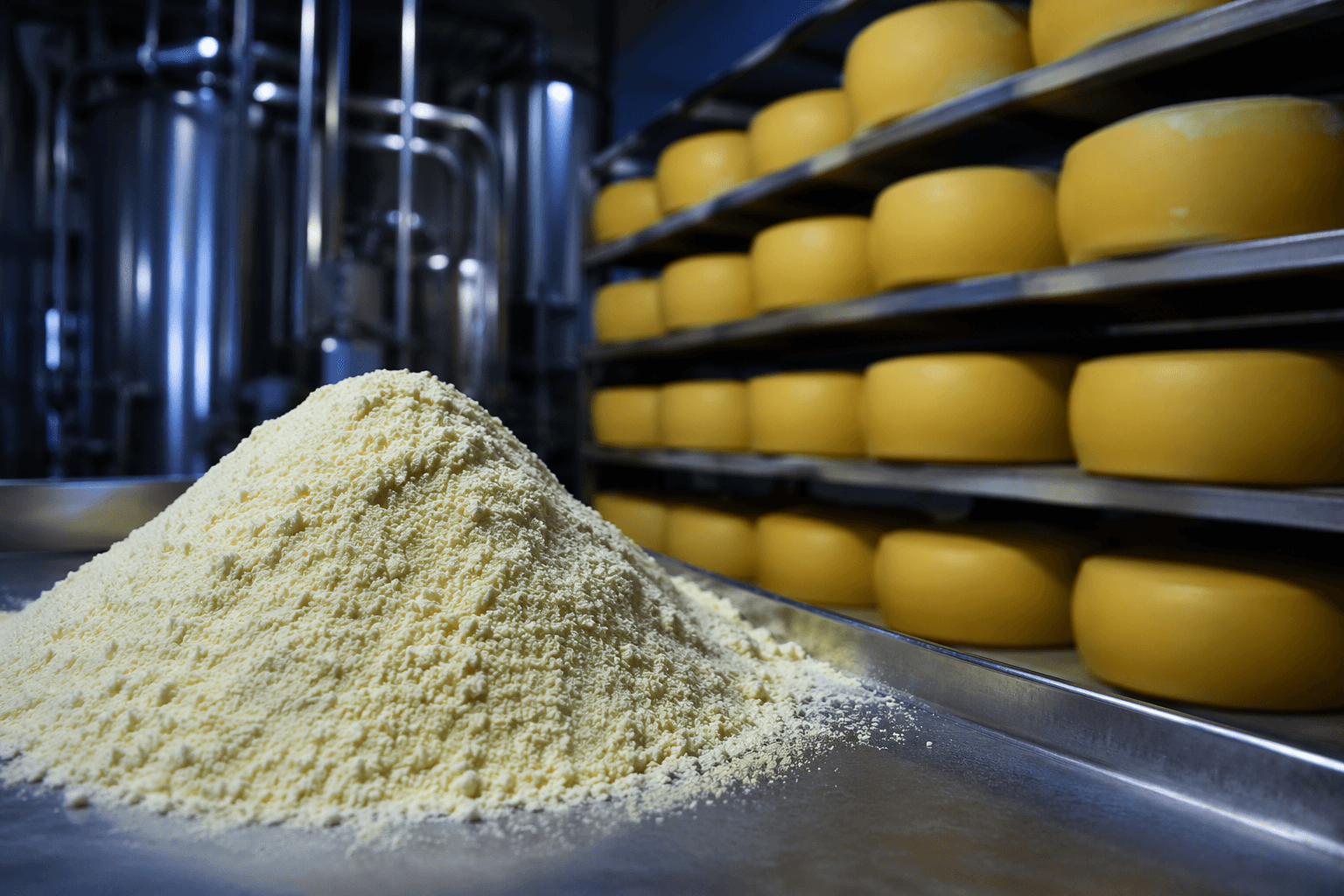
India’s orphan crops could strengthen plant protein supply chains
India’s orphan crops are moving from biodiversity talking point to protein strategy. The hard part now is turning breeding and procurement into real isolates, powders, and dependable supply.
Orphan crops are becoming a sourcing strategy
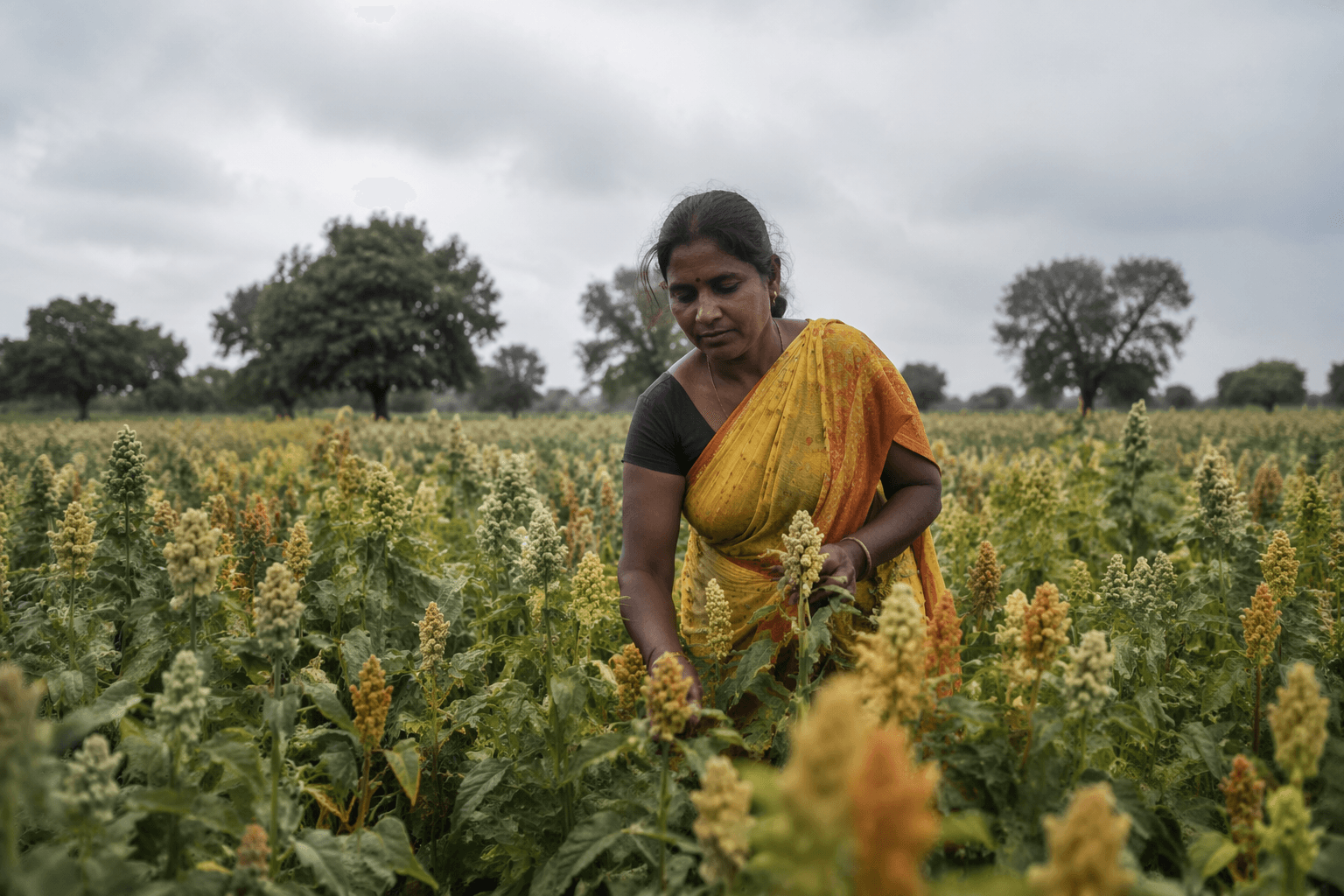
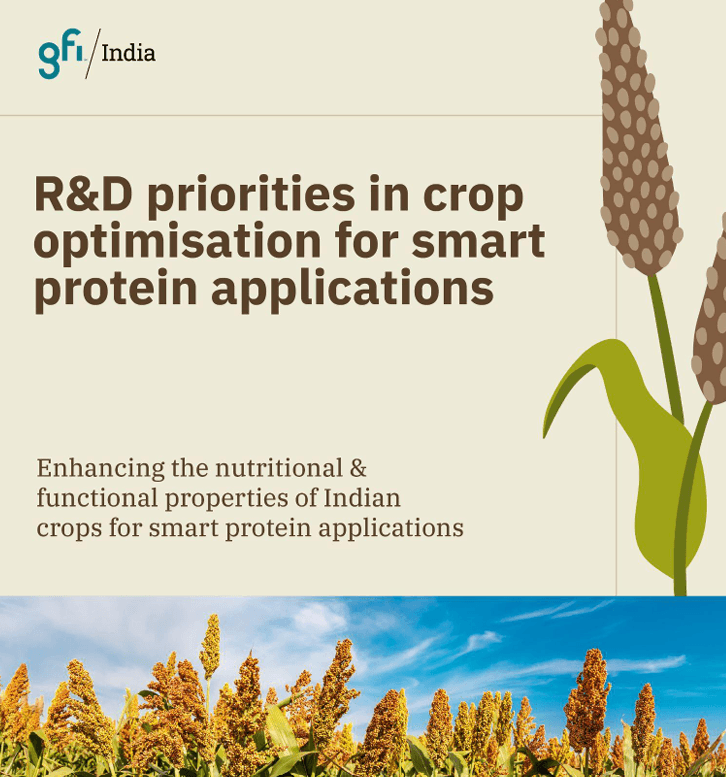
India’s underused indigenous crops are starting to look less like an agronomy curiosity and more like a raw-material play for plant protein. A new Good Food Institute India whitepaper, released on May 22, 2026 to coincide with the International Day for Biological Diversity, makes the case that India can build a more resilient domestic protein chain around pulses, millets, chickpeas, oilseeds, grains, fungi, and algal proteins.
That matters because the current plant-protein economy is still heavily anchored to pea and soy. If India wants a protein industry that is cheaper to source, easier to localize, and less exposed to the same commodity bottlenecks that hit everyone else, it needs more than demand and brand interest. It needs dependable crop pipelines, processing capacity, and procurement systems that can turn biodiversity into bulk ingredient supply.
Why the ingredient base matters more than the slogan
The whitepaper’s central argument is practical: a broader crop base can help reduce dependence on a narrow set of staples and improve formulation resilience. That is not just about supply security. It is also about nutrition, because relying too heavily on a few ingredients can leave gaps in essential amino acid coverage, while a more varied crop basket can support better-balanced formulations.
That is why the report frames orphan crops as an industrial platform, not just a conservation story. For alternative protein companies, the appeal is obvious: local crops can offer cost, climate, and supply advantages, and they can also give India a protein identity that is not simply copied from North America or Europe. In a market where ingredient security is becoming as important as consumer demand, that distinction is commercial, not cosmetic.
Millets show how the supply chain can be rooted locally
Millets are the clearest proof of concept. The Food and Agriculture Organization says the United Nations General Assembly declared 2023 the International Year of Millets in March 2021, and it has repeatedly highlighted a simple advantage: millets can grow on arid lands with minimal inputs and can help reduce reliance on imported cereal grains.
That has supply-chain implications far beyond a single crop. Crops that tolerate heat, low water, and marginal soils are easier to anchor in local farming systems, especially when import dependence is a risk. Community seed banks in India also matter here, because they help diversify crops, revive biodiversity, and improve nutrition at the farm level before a processor ever gets involved.
The whitepaper’s logic extends beyond millets to chickpeas and other indigenous crops. GFI India argues that expanding the ingredient base can generate substantial economic returns for India and its farmers, which is the kind of incentive that actually moves acreage, storage, and mill investment. Without that farm-level pull, the protein story stays trapped in presentations.
The real bottleneck is not demand, it is processing
This is where the whitepaper becomes a supply-chain story instead of a glossy sustainability pitch. India already has a food-processing sector that grew at an average annual rate of about 6.55% over the nine years ending 2023-24, according to the Ministry of Food Processing Industries. The ministry also says the sector accounted for 7.93% of manufacturing-sector share in 2023-24, and processed food exports reached USD 10.09 billion in 2024-25.
Those numbers show capacity, but they do not automatically solve the protein-ingredient problem. Turning pulses or millets into functional isolates requires cleaning, dehulling, milling, fractionation, flavor management, and quality control. It also requires procurement systems that can deliver consistent varietals at predictable volumes, which is exactly where orphan crops have historically struggled.
GFI India’s materials point to a more advanced agenda: selective breeding to improve protein content, functionality, and taste characteristics for smart-protein applications. That is the right direction, because food manufacturers do not just need high-protein crops. They need crops that behave well in extrusion, drink systems, meat analogues, and hybrid foods.
There is already some movement on the ground. GFI India says dal millers and farmers in the Nagpur region of Maharashtra are making efforts to produce plant-protein isolates from pulses. That matters because it shows the sector is not waiting for perfect policy or perfect science. It is trying to build the middle layer between farm and factory, where most protein supply chains either succeed or stall.
Nutrition and familiarity may be the fastest path to adoption
India also has a built-in nutritional advantage that many markets lack. GFI India’s nutrition research says cereals and pulses are the major plant-based protein sources in the Indian diet, and that combining them traditionally creates a complete protein in many diets. That matters because it gives formulators a familiar nutritional logic to work with instead of having to invent one from scratch.
Consumer acceptance is easier when the ingredients are already part of the food culture. GFI India notes that Indian consumers have long used soybeans, jackfruit, and chickpea flour in everyday dishes and textures. That does not mean every new protein product will sell itself, but it does mean the category can lean on familiar taste cues instead of asking shoppers to learn a new pantry language.
The broader research base supports the same conclusion. A review in Frontiers in Nutrition says neglected and underutilized crop species are nutrient-dense, climate-resilient, profitable, and locally available or adaptable. It also notes that Asia had an estimated 479 million undernourished people in 2018, or 58% of the worldwide total. That is the hard edge of the story: crop diversity is not only about resilience for processors, it is also about nutrition security in a region where the burden of undernourishment remains severe.
What has to happen next
India already has the ingredients of a serious plant-protein ecosystem. What it still needs is the boring, expensive middle: breeding programs that prioritize function, procurement that rewards growers, processing lines that can handle indigenous crops at scale, and logistics that keep quality consistent from season to season.
If that happens, orphan crops could do more than enrich the landscape. They could become the raw-material base for a locally rooted plant-protein industry, one that uses India’s biodiversity as an industrial advantage instead of leaving it in the whitepaper stage.
This article was produced by Prism’s automated news system from verified source data, official records, and press releases, then run through automated quality and moderation checks before publishing. The system is built and supervised by the people who set the standards it runs under. Read our full AI policy.
Know something we missed? Have a correction or additional information?
Submit a Tip