Ingredion acquisition of Tate & Lyle creates $10 billion ingredient giant
Ingredion’s all-cash Tate & Lyle buy will build a nearly $10 billion platform for better-tasting, better-textured high-protein foods and drinks.

Ingredion’s all-cash bid for Tate & Lyle puts two specialty ingredient platforms on a collision course at the center of the protein reformulation boom. The June 8 agreement values the London-based company at about £2.7 billion, or about £3.7 billion including debt, and would create a business with annual revenue approaching $10 billion.
The recommended offer gives Tate & Lyle shareholders 595 pence in cash per share, plus up to 20 pence in dividends. For Ingredion, based in Westchester, Illinois, the deal is a direct play for scale in specialty nutrition systems, not bulk commodities. Tate & Lyle has spent recent years recasting itself as a speciality food and beverage solutions business, and its 2025 annual report describes it as a global leader in sweetening, mouthfeel and fortification serving demand for healthier, tastier and more sustainable food and drink.
That positioning matters because Tate & Lyle has not been standing still. On November 15, 2024, it completed the acquisition of CP Kelco, bringing pectin, speciality gums and other nature-based ingredients into its portfolio. Those additions help explain why Ingredion is paying up for a company that already built out a broader toolkit for sugar reduction, texture and fortification, the exact levers brands need when they try to make high-protein products taste less chalky and feel less dry.
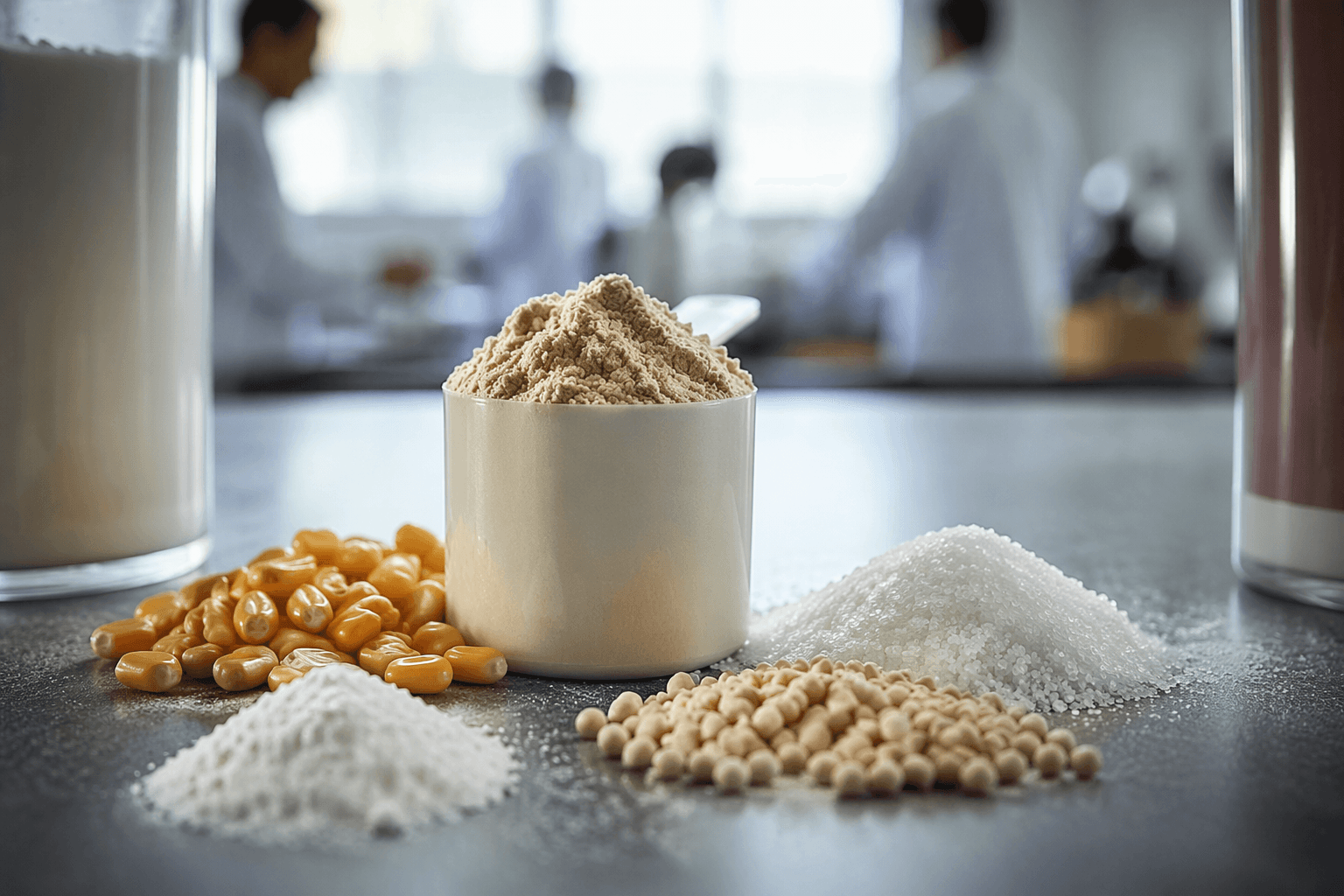
Ingredion has been pushing on the same problem from its side of the table. Its 2025 annual report said the company’s Texture & Healthful Solutions segment posted its seventh straight quarter of sales volume growth in the fourth quarter of 2025. It also highlighted a clean-label meal-replacement beverage that needed high protein, fiber, taste, texture and mouthfeel, a useful snapshot of how hard modern formulation has become. The company’s Protein Fortification business, meanwhile, makes specialty pulse-based protein ingredients from yellow peas that add protein, dietary fiber, micronutrients and texture to food and beverages.
The strategic logic is straightforward: protein rarely succeeds alone. Bars, shakes and ready-to-drink beverages usually need stabilizers, fibers, sweeteners and texture systems to make the nutrition work without wrecking the eating experience. A larger Ingredion-Tate & Lyle combination would give brands fewer suppliers, but more powerful ones, with broader capabilities across texturants, sugar reduction and fortification. That is especially relevant as higher protein, higher fiber and lower sugar claims continue to gain traction, including among consumers using GLP-1 drugs. In that market, the winners are the ingredient platforms that can solve multiple formulation problems at once.
This article was produced by Prism’s automated news system from verified source data, official records, and press releases, then run through automated quality and moderation checks before publishing. The system is built and supervised by the people who set the standards it runs under. Read our full AI policy.
Know something we missed? Have a correction or additional information?
Submit a Tip