Japan drafts safety rules for cultivated meat and seafood
Japan has turned cultivated meat safety talk into a draft checklist, with source cells, process control and allergen checks now on the table.
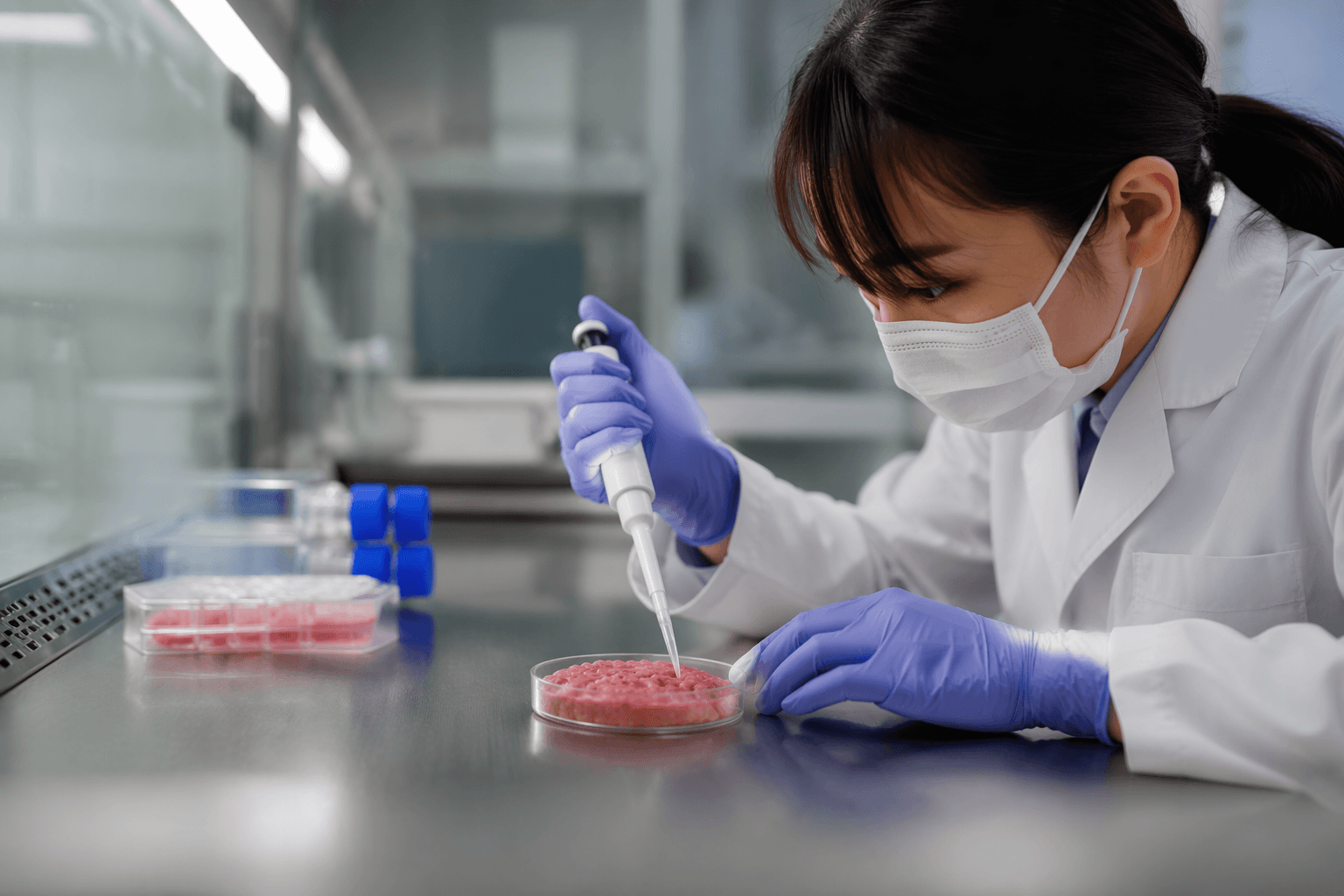
Japan has moved cultivated meat and seafood from abstract policy talk into something closer to a regulatory playbook. On May 28, the Consumer Affairs Agency presented draft safety guidance to the Food Sanitation Standards Council’s Subcommittee on Newly Developed Foods, and for the first time those long-running discussions were consolidated into a concrete draft guideline. The point is not market approval yet. The point is legitimacy: a government-backed checklist for what regulators want companies to prove before these products can scale.
That matters because the file has been open for a while. By the time of the draft, Japan had discussed cultivated-food safety 13 times in total, five meetings under the Ministry of Health, Labour and Welfare and eight under the Consumer Affairs Agency’s subcommittee. Earlier work had already identified 31 points of concern and the items that should be checked across cell sourcing, production and food processing. The May 28 draft reorganized that work into practical checkpoints instead of leaving it as a scattered technical debate.
The draft goes well beyond generic food hygiene. It covers source cells and tissues, cell characterization, manufacturing and quality control, substances used during manufacturing and cultivation, final product specifications, and allergen and nutrition information. It also says cell culture needs more than contamination control built on general hygiene management and HACCP-style thinking. Companies are expected to have process control, worker education and training, and standard operating documents, which is why this reads less like a novelty policy and more like a GMP-flavored framework for a new category of food.
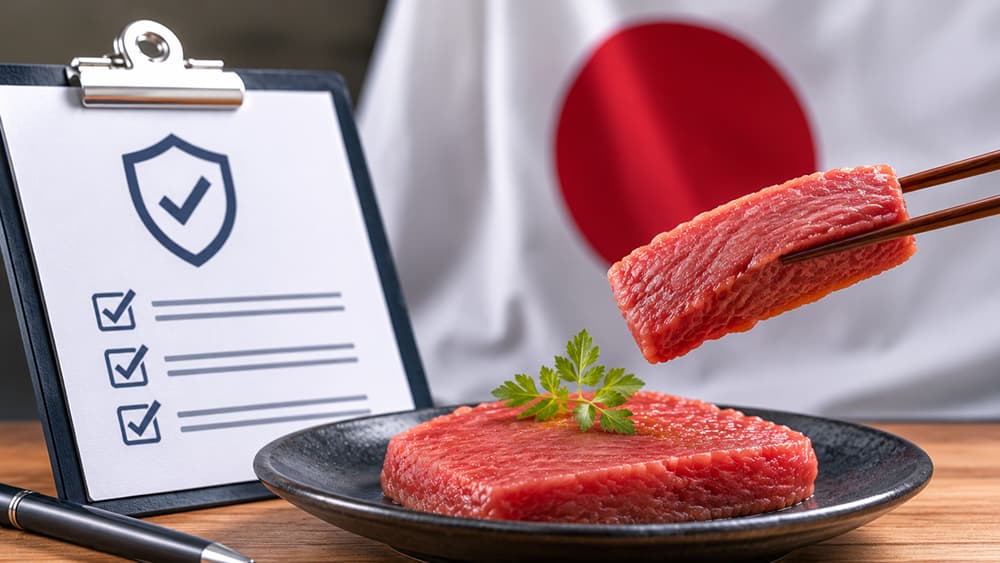
Seen against the rest of the world, Japan is not first, but it is trying to become orderly. Singapore already runs a pre-market approval framework for novel foods, and its regulators approved sale of cultivated meat in 2020, with more cultivated chicken approvals following in 2021. In the United States, FDA and USDA-FSIS share oversight, with FDA handling the cell-culture side and USDA stepping in at harvest and post-harvest for amenable species. The European Union is slower and more formal still: novel foods need an EFSA safety assessment and a Commission implementing act before they can be sold. Japan’s draft checkpoints do not equal a fast lane, but they do signal a system that companies can actually engineer toward, which is the first real sign that cultivated protein is becoming commercially governable rather than merely technically possible.
This article was produced by Prism’s automated news system from verified source data, official records, and press releases, then run through automated quality and moderation checks before publishing. The system is built and supervised by the people who set the standards it runs under. Read our full AI policy.
Know something we missed? Have a correction or additional information?
Submit a Tip