Protein drives multi-benefit innovation across food, snacks and pet care
Protein is no longer a niche sports claim. It is becoming the glue for indulgence, convenience and brand trust across food, snacks and adjacent categories.

Protein becomes a cross-category brief
Protein has moved well beyond the gym bag. FoodNavigator’s NPD roundup shows the real story is not just about more grams on pack, but about a wider innovation pattern running through meat, dairy, snacking, bakery, pet food and packaging, where brands are pairing protein with collaboration, sustainability and bold flavor to chase incremental growth.

That shift matters because it changes the job protein is expected to do. It is no longer enough for a product to simply deliver a nutritional number. The stronger briefs now ask protein to support satiety, muscle support and everyday wellness while also making the product feel fun, premium, familiar or convenient enough to earn a repeat purchase.
The consumer signal is broad, and it is getting stronger
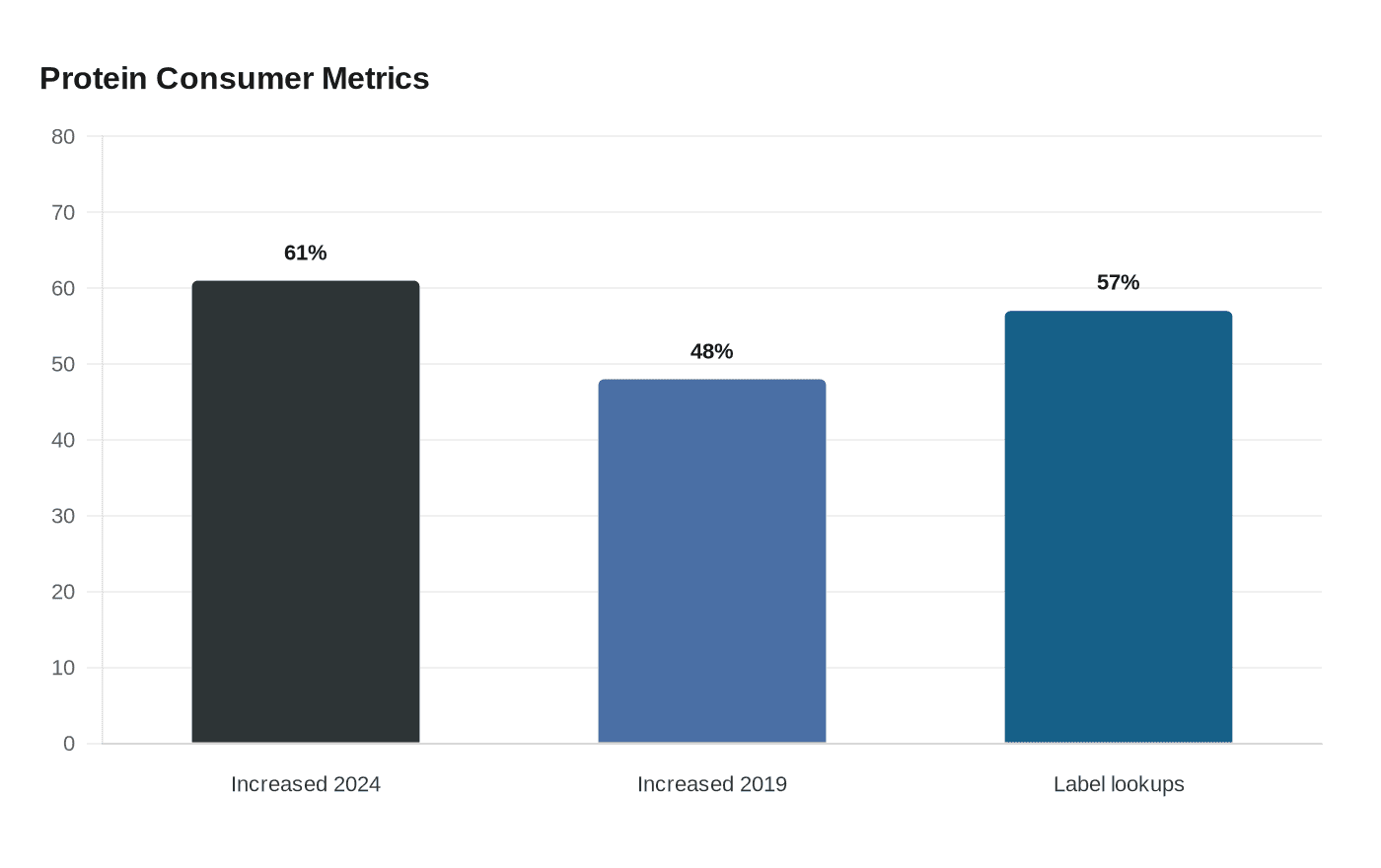
Cargill’s 2025 Protein Profile gives the demand side real weight. The company found that 61% of Americans said they increased their protein intake in 2024, up from 48% in 2019, and more than 75% typically include animal protein in their evening meals. Just as telling, 57% of people who check nutrition labels look for protein content, which means the macro has become a regular shopping cue, not a specialist one.
The report also points to a shift in how people want protein to show up. Consumers are not only chasing the macro itself, they are looking for taste, health benefits and nutritional value together, and younger consumers are pushing especially hard for high-protein snacks, bold global flavors and smaller satisfying meals. That combination makes protein feel less like a rigid diet signal and more like a flexible platform that can travel across occasions.
Snacking is where the category pressure is clearest
Conagra Brands’ Future of Snacking 2025 report helps explain why protein has become such a useful commercial tool. The company put the U.S. snacking market at $148.6 billion and identified protein-forward, portion-controlled and nutrient-dense snacks as rising opportunities, especially among Gen Z and Millennials. That framing is important because it treats snacking as a lifestyle behavior, not just a between-meal stop.
The category is also showing how collaboration can accelerate momentum. Conagra said co-branded snacks generated nearly $2.1 billion in combined annual sales, which is a strong sign that brand pairings are doing more than creating noise. In a crowded snack aisle, a familiar partner can deliver instant recognition, while protein gives the product a reason to exist beyond novelty.
Collaboration works when it makes protein feel familiar
General Mills offers one of the clearest examples of how this is playing out in product development. The company said consumers are seeking protein in nearly everything they eat and are unwilling to sacrifice taste, then pointed to its partnership with GHOST, a brand known for high-protein products and bold flavors. The result was GHOST PROTEIN CEREAL x CINNAMON TOAST CRUNCH and GHOST PROTEIN CEREAL x LUCKY CHARMS, both delivering 17+ grams of protein per serving.
That is a useful blueprint for the market. The cereal still feels like cereal, the flavor cues are familiar, and the protein dose is high enough to matter. In other words, the collaboration is not only about attention, it is about making a protein product feel credible, indulgent and easy to understand in one glance.
Where durability is likely to come from
The clearest durable demand signal is protein paired with everyday eating occasions. Morning cereal, evening meals, portable snacks and smaller satisfying meals all fit that pattern because they solve a real use case, not just a nutrient target. The data from Cargill and Conagra points in the same direction: people want protein where they already eat, not only in specialized sports formats.
Bold flavor is another durable lever because it reduces the clinical feel that has long shadowed protein-led products. Younger consumers are already telling the market they want global flavors, and that preference makes protein easier to place in products that feel indulgent rather than dutiful. The winners are likely to be the brands that make protein feel like part of the pleasure, not the price of admission.
Where novelty is still doing the work
Not every protein-led idea will have the same staying power. Short-term novelty is most likely when protein is used as a simple overlay, with the macro doing all the talking and little else to support taste, texture or occasion. The market is already signaling that “more protein” by itself is not enough; the better launches are the ones that embed protein into a product story consumers already want to buy.
That is where the editorial value of the FoodNavigator roundup becomes clear. It does not present protein as a standalone trend. It shows protein being bundled with collaboration, sustainability and flavor, which makes it a much more powerful development brief than a single-claim exercise.
The label still has to do its part
The regulatory backdrop matters because protein claims are not just marketing language, they are shaped by nutrition rules. Under U.S. Food and Drug Administration guidance, a “high” nutrient-content claim generally requires 20% or more of the Daily Reference Value per reference amount customarily consumed, while a “good source” claim requires 10% to 19%. Nutrition labeling also hinges on serving-based declaration, so formulation and serving size decisions can change how the product reads on pack.
That makes protein one of the most strategic claims in the aisle, but also one of the most carefully managed. Brands can push the message hard, but the product has to earn it through formulation, serving structure and a label that holds up under consumer scrutiny. As protein expands into more categories, that discipline will matter just as much as the headline gram count.
The next wave is multi-benefit, not mono-message
Taken together, the clearest pattern is that protein is becoming the base layer for a new kind of product development. The strongest concepts are not just high in protein, they are also tuned for taste, portability, premium cues and brand affinity, with sustainability and packaging often reinforcing the story in the background. That is why protein is now showing up everywhere from bars and dairy to desserts and savory snacks, and why adjacent categories such as pet food can be pulled into the same logic of added value.
The products most likely to last will be the ones that treat protein as part of a larger consumer promise. The message is no longer simply that protein belongs in sports nutrition. It is that protein has become one of the most useful ways to build foods, snacks and related products that feel healthier, tastier and more worth buying in the first place.
This article was produced by Prism’s automated news system from verified source data, official records, and press releases, then run through automated quality and moderation checks before publishing. The system is built and supervised by the people who set the standards it runs under. Read our full AI policy.
Know something we missed? Have a correction or additional information?
Submit a Tip