Protein innovation shifts to more value per bite, suppliers say
Protein is no longer winning on grams alone. Suppliers are chasing nutrient density per bite, pairing satiety, gut health and cleaner sensory performance.
The new benchmark is value per bite
Protein innovation is moving past simple fortification and into a tougher, more useful standard: how much nutrition a product delivers in every bite. The winning products are increasingly expected to support energy, satiety, digestion, mood, cognition, healthy aging, and metabolic health at the same time, while still tasting good, fitting daily routines, and staying affordable.
That shift matters because it changes the competitive question. It is no longer enough to add protein and call the formula upgraded. Brands now have to prove that a product delivers more benefits per serving, with a cleaner label feel and a more satisfying eating experience.
Why “more protein” is giving way to “better protein”
Valio’s 2026 trend note captures the new logic clearly: consumers want “smaller portions, higher value,” and appetite suppression plus GLP-1 trends are pushing demand for nutrient-dense, multifunctional foods that deliver more benefits per serving. Valio says protein is entering a “quality era,” where the goal is not just more protein, but better protein.
That distinction is becoming central because many high-protein products still miss on fundamentals. Valio says a lot of formulations struggle with off-tastes and grainy textures, which makes it hard to create products that feel genuinely appealing rather than merely functional. In other words, nutrition alone does not win if the eating experience feels compromised.
The result is a broader reset in how products are judged. Across the category, health-forward innovation is being measured less by isolated claims and more by how effectively a product supports multiple aspects of well-being without sacrificing taste, convenience, or affordability. That is a much higher bar, and it is reshaping what counts as innovation.
The formulation challenge is now sensory as much as nutritional
Ingredient suppliers are responding with a wider toolbox. Dairy fractionation, hybrid protein systems, fermentation, enzymes, AI, and sensory science are all being used to make healthier products more enjoyable and more affordable. That is important because protein no longer wins on its own; it has to compete on texture, convenience, and taste while still fitting into everyday routines.
dsm-firmenich is framing that challenge as a “protein transition,” especially in plant-based and alternative-protein foods. Its approach focuses on boosting taste, texture, and health, and its taste-and-texture work is designed to restore a satisfying bite to products that can otherwise feel chalky, thin, or overly processed.
That is a practical formulation lesson for brands. If the product cannot overcome bitterness, dryness, graininess, or weak mouthfeel, the protein claim becomes a liability rather than a selling point. The suppliers making the most noise in this space are not just talking about protein content; they are talking about how the product eats.
Dairy protein is still a strategic anchor
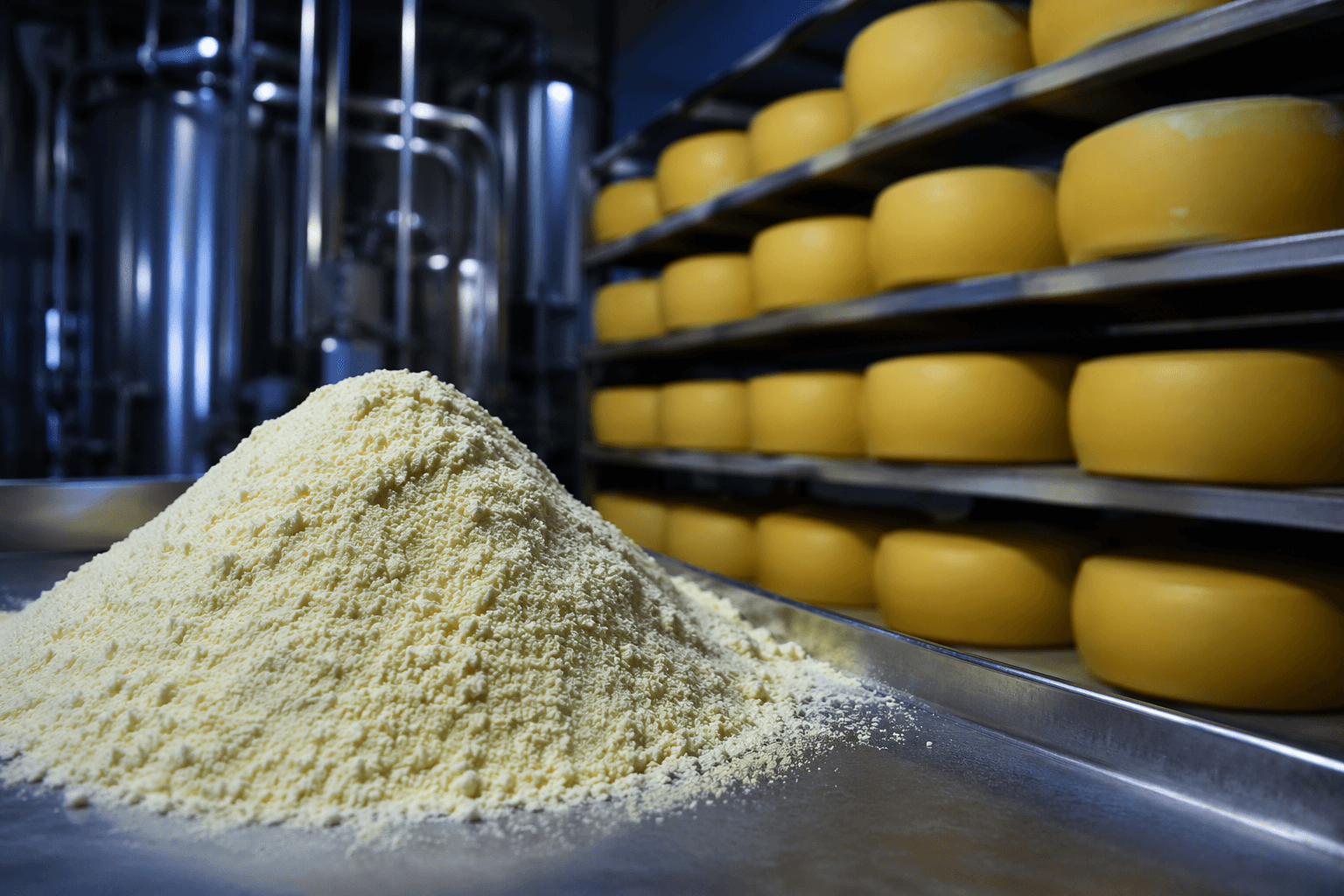
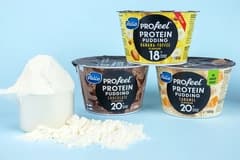
Valio and FrieslandCampina Ingredients both underline why dairy remains central to this conversation. Valio says protein-rich products are no longer niche items for athletes alone, but part of everyday wellness for consumers seeking muscle recovery, energy, and overall performance. Its protein solutions are already used across drinks, powders, bars, and puddings, which shows how broad the application base has become.
FrieslandCampina Ingredients brings a long heritage into the same discussion, with more than 125 years of experience in dairy proteins. The company positions itself as an innovation and application partner in proteins and prebiotics, helping brand owners create differentiated and efficacious products across life stages.
Its Biotis gut-health line is another sign of where the category is headed. FrieslandCampina Ingredients says Biotis GOS is the world’s most clinically studied GOS for gut health, and its 2026 nutrition materials spotlight protein, fiber, and functional drinks as major themes. That combination reflects the new formula logic: protein is often being paired with digestive support, not sold as a stand-alone macro.
The newest products are built around multiple benefits, not one claim
The most forward-looking products are starting to blend protein with satiety, gut comfort, and broader wellness cues. That makes sense in a market where consumers want food that can work harder for them, whether the need is fullness, energy, digestion, or long-term health support. The supply-side conversation is shifting from a single claim to a bundle of functional benefits.
FrieslandCampina Ingredients has also been showing how that plays out in product formats. The company highlighted functional snacks, drinks, and supplements at SupplySide Global in Las Vegas, with a clear emphasis on GLP-1 companion products and gut health. That spotlight matters because it shows where demand is moving: toward products that feel useful in the context of appetite management, digestive support, and daily nutrition.
Healthy indulgence is part of the same story. FrieslandCampina Ingredients positions protein bars as a major opportunity in that space, where consumers still want pleasure and familiarity but with more meaningful nutritional payoff. The message is consistent across the category: a bar, drink, or snack must now deliver both function and enjoyment.
What this means for the next wave of protein products
The practical playbook is becoming clearer. The strongest products are likely to combine nutrient density with familiar formats, use cleaner labels where possible, and solve sensory issues instead of hiding behind them. In many cases, that means pairing protein with fiber, gut-health ingredients, or other benefits that help a product feel more complete.
- Smaller portions can still carry higher perceived value if they deliver more benefits per bite.
- Taste and texture are no longer secondary, because grainy or off-tasting products lose the consumer before the health logic lands.
- Dairy proteins remain strategically important, especially where functionality and eating quality both matter.
- Protein is expanding beyond sports nutrition into everyday products tied to energy, satiety, digestion, and metabolic health.
A few signals stand out:
That is why the industry’s next competitive battleground is not just added protein. It is nutrient density per bite, backed by better sensory performance and broader functional value. The suppliers shaping this space are signaling that the future belongs to products that feel complete, not merely fortified.
This article was produced by Prism’s automated news system from verified source data, official records, and press releases, then run through automated quality and moderation checks before publishing. The system is built and supervised by the people who set the standards it runs under. Read our full AI policy.
Know something we missed? Have a correction or additional information?
Submit a Tip