A Simple Gesture keeps surplus school food on campus for students
SHARE turns leftover school meals into a same-day nutrition buffer, keeping unopened food on campus so students can quietly grab what they need.
A campus fix built for one specific gap
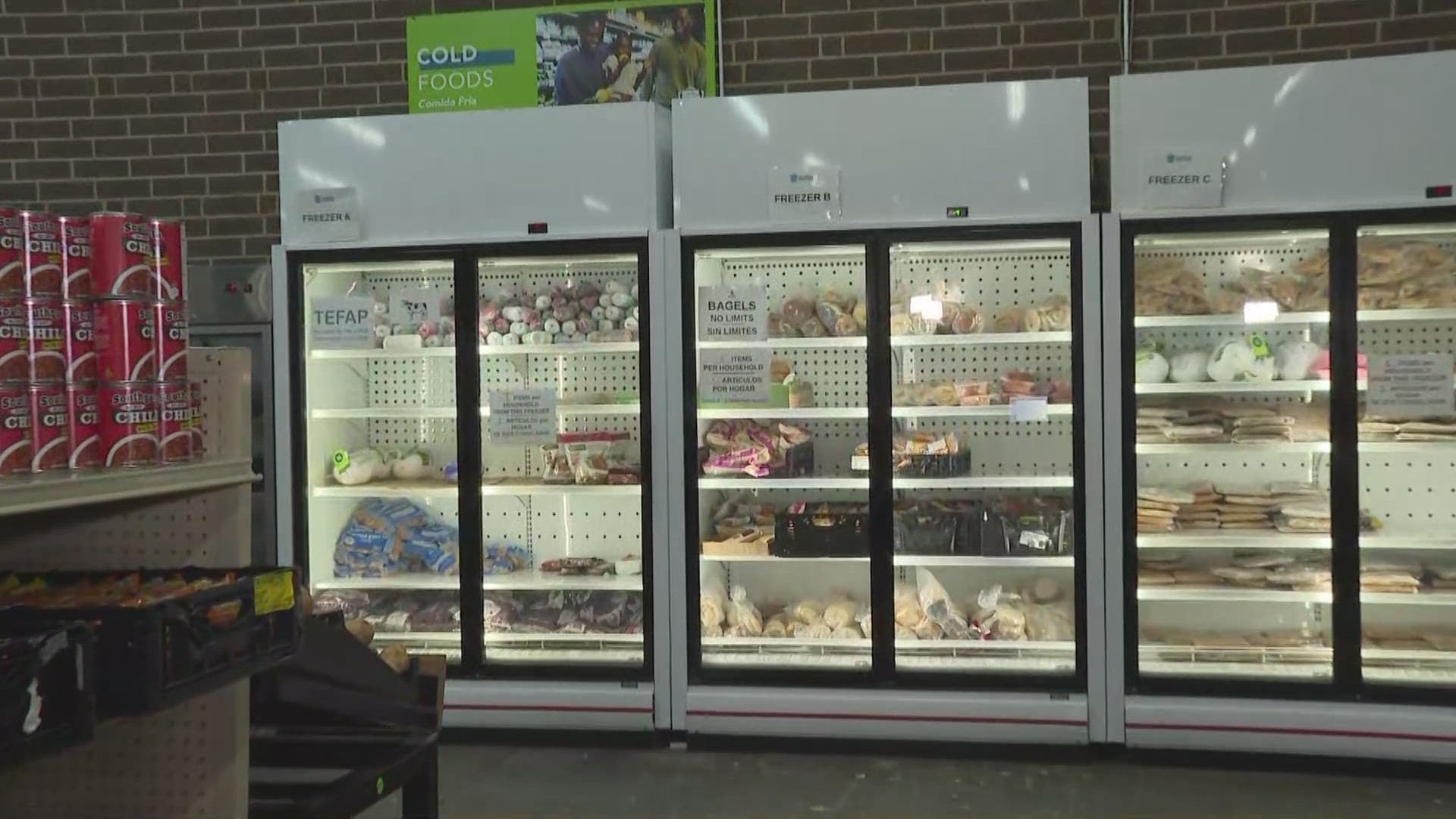
A Simple Gesture’s SHARE Program solves a narrow but important problem: what happens when school nutrition services have edible food left over, but students still need extra nutrition during the day. Instead of pushing that food into a distant distribution chain, the nonprofit works with Guilford County Schools to place refrigerators on campus, where students can access surplus food without leaving school or asking for a separate handoff.
That choice matters because it changes the recovery model from a general food-redirection system into a school-day support tool. The food stays where the need shows up, the access point is familiar, and the help is quiet enough to preserve dignity. For staff, that means SHARE is not just about moving calories. It is about designing a support system that fits the realities of a school building, a bell schedule, and the social dynamics of students who may need a little extra nutrition but do not want extra attention.
How the food moves
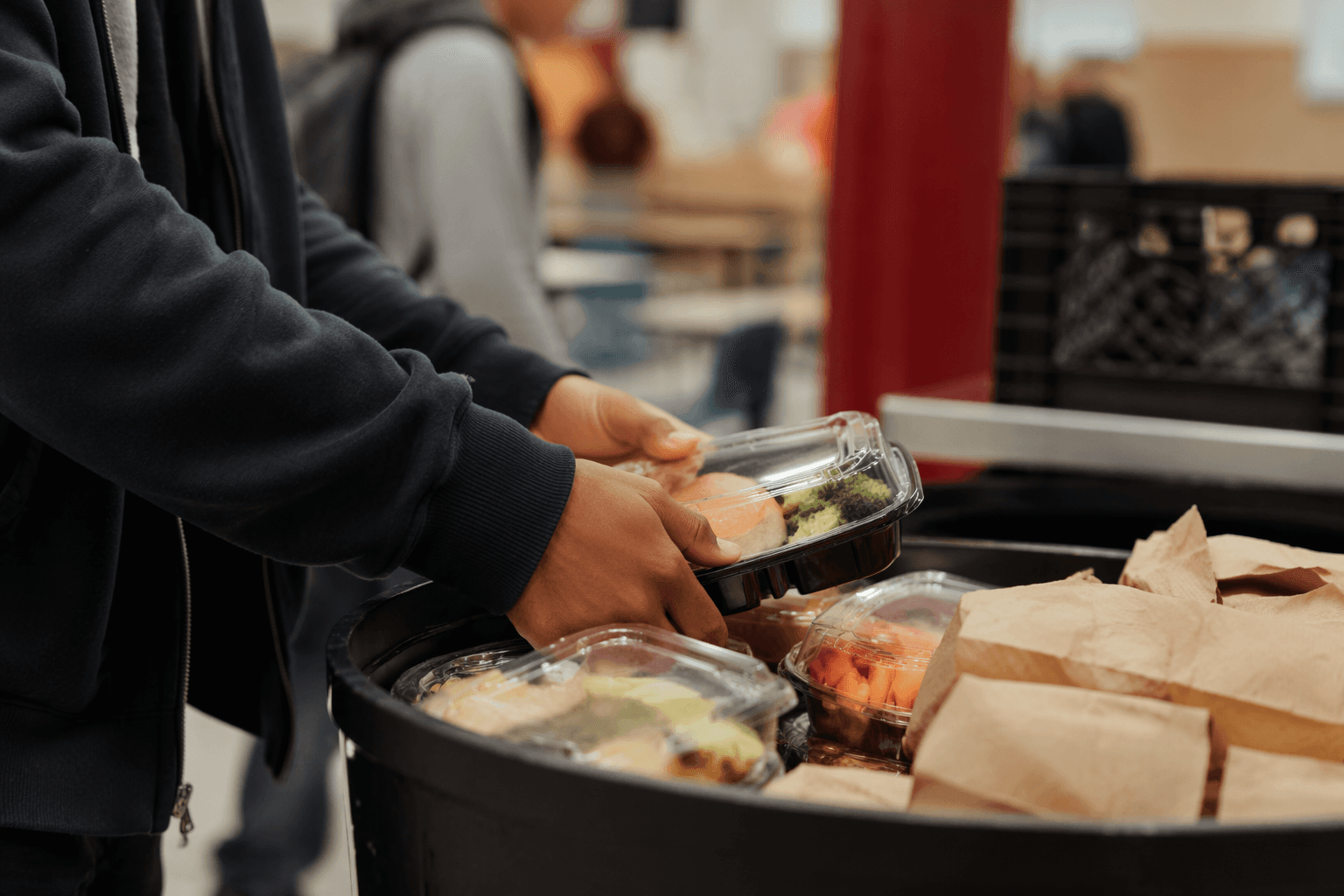
The SHARE workflow is deliberately simple. A Simple Gesture says the program uses unopened, unwrapped food from school nutrition settings, then places it in refrigerators inside Guilford County Schools. Any student is welcome to take food from the fridge during the day whenever they need extra nutrition. That keeps the recovery loop short, which is part of the point: the food does not sit in a warehouse, wait for sorting, or require a second delivery route before it helps someone.
In practice, the system depends on school staff and food-recovery coordination working in sync. Nutrition teams already serving breakfast and lunch are the source of the surplus. School personnel stock the fridges with items that local reporting has identified as being used in the program, including milk, juice, carrots, apples, and peanut butter and jelly. Those are practical, familiar foods that can supplement a meal without turning the fridge into a complicated pantry.
What makes the model especially useful is that it treats surplus as a resource with immediate value. The food does not need to leave the building to matter. It simply needs a secure place on campus, a reliable pickup point, and a clear understanding among school staff that students can use it when they need to.
Why the school setting changes the equation
The strongest part of SHARE is not the refrigerator itself. It is the decision to keep access inside the school environment. That reduces the friction students often face when support is tied to a separate pantry visit, a bus ride, or a pickup window that does not match the school day. It also normalizes use. A student taking a snack from a campus fridge does not have to step out of line, make an appointment, or wait for a parent to arrange transportation.
That is why the program resonates as a workplace story for A Simple Gesture staff. It blends food recovery with student dignity in a way that is operationally tidy but socially meaningful. The work asks staff to understand school calendars, food-safety expectations, and how to build trust with a district partner. It also shows how a modest logistical move can become a stronger intervention than a more traditional, more visible distribution system.
For a nonprofit built around food recovery, SHARE is a reminder that the best answer is not always the broadest one. Sometimes the most effective use of surplus food is the one that stays closest to the person who needs it.
The scale behind the fridges
SHARE sits inside a much larger countywide hunger-response system. A Simple Gesture says that as of December 2025 it had helped donate more than 8,000,000 child-size meals, with a food value of $13,000,000. The organization also reported 75+ pantry partners, 3,900+ recurring food donors, and 200 monthly volunteers. Those numbers matter because they show SHARE is not an isolated school pilot. It is part of a broader network with the volume and relationships to support a program that has to be consistent, discreet, and durable.
Local reporting has also pointed to countywide reach. One profile said A Simple Gesture purchased refrigerators for all 126 Guilford County Schools in summer 2023. A later report said the fridges were already in use at schools, stocked by staff with the kinds of items students can use right away. That kind of scale changes the operational stakes. Once the model is spread across a district, it becomes less about proving the concept and more about maintaining it well.
Why the need is so large
The county’s food-security numbers explain why a school-based reserve makes sense. Guilford County says that in 2023 its overall food insecurity rate was 15.2 percent and its child food insecurity rate was 22.5 percent. Feeding America estimated 82,510 food-insecure people in Guilford County that year and an annual food budget shortfall of $57,703,000. BackPack Beginnings adds another useful marker: more than 49,000 children in Guilford County Schools qualify for free or reduced-price meal programs.
That is the gap SHARE is trying to close. Guilford County Schools says its nutrition staff provide breakfast and lunch that meet USDA Dietary Guidelines, which is the baseline. SHARE extends that baseline by making sure extra food from the school nutrition system can be available later in the day, still on campus, still within reach, and still tied to the school environment students already know.
What staff can learn from the model
For A Simple Gesture, SHARE is a useful example of how a food-recovery nonprofit can build trust through specificity. The program works because it is narrow. It serves one district, uses one type of surplus food, and answers one recurring need: extra nutrition during the school day. That clarity helps staff explain the program to potential partners, align with school operations, and avoid the drift that can turn good ideas into cumbersome ones.
The model also highlights a practical lesson for anyone working in food recovery. Efficiency is not just about moving food faster. It is about matching the right food to the right setting with the least possible friction for the person who needs it. In Guilford County, that means unopened school food stays in school, students can access it quietly, and the county’s larger hunger infrastructure gets a little more precise.
That is the real value of SHARE. It takes a surplus problem inside the school system and turns it into a same-day support system, one fridge at a time.
This article was produced by Prism’s automated news system from verified source data, official records, and press releases, then run through automated quality and moderation checks before publishing. The system is built and supervised by the people who set the standards it runs under. Read our full AI policy.
Did this article answer your question?