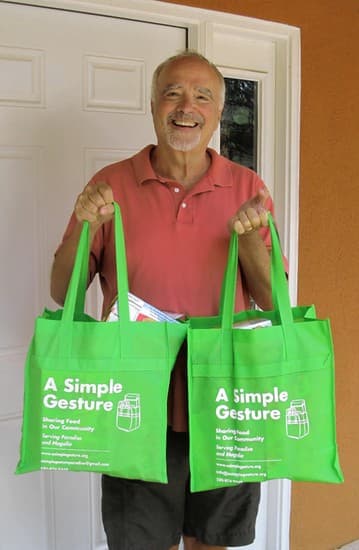
A Simple Gesture Seeks Weekday Drivers to Rescue Surplus Food
Weekday drivers with a personal car and smartphone can plug into A Simple Gesture's commercial food recovery chain, capturing perishable surplus that Saturday green-bag routes cannot reach.
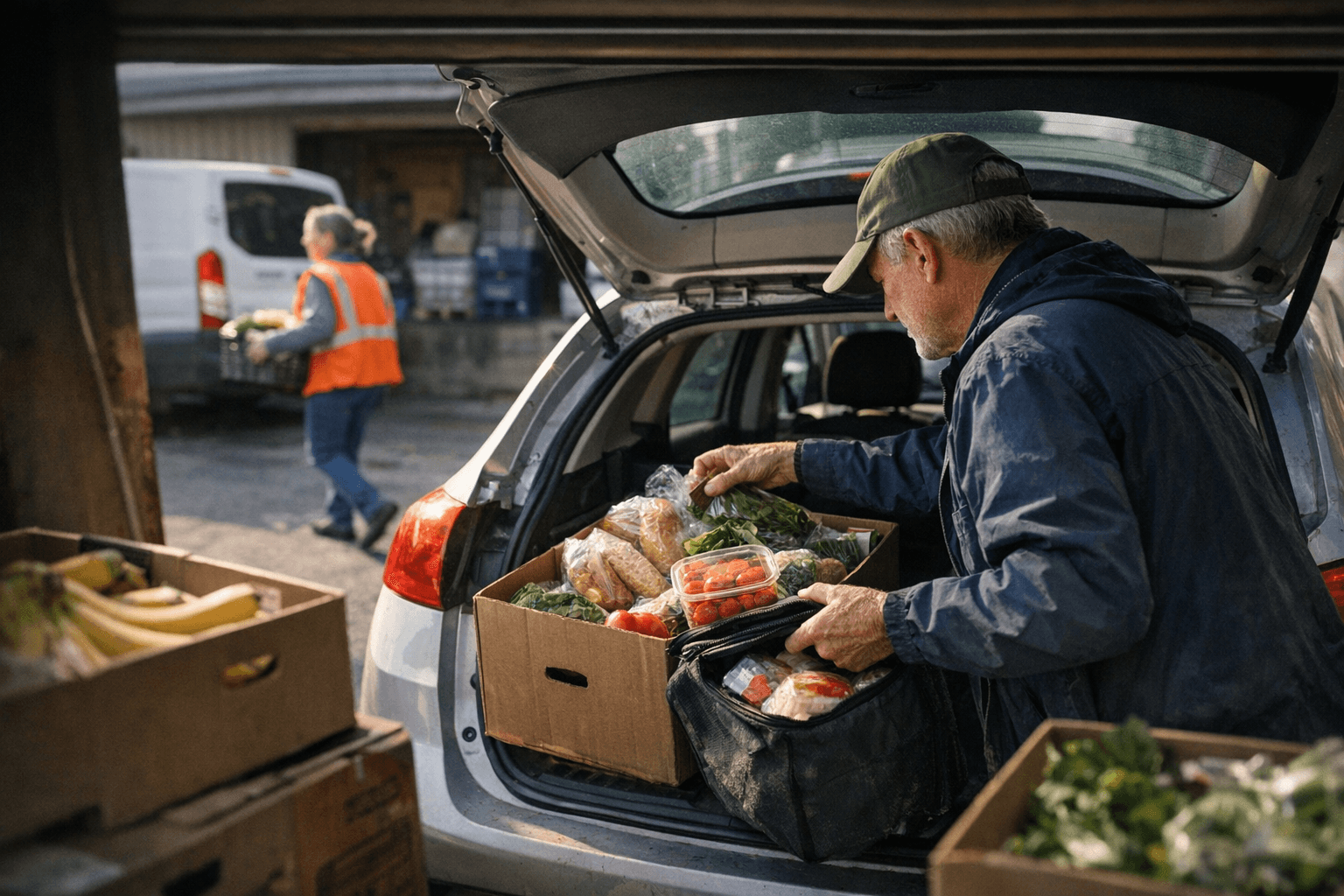
A Simple Gesture's Food Recovery program in Guilford County opened a weekday driver recruitment push this week, adding a category of volunteer that sits entirely outside the Saturday green-bag model and plugs directly into the commercial food stream.
The program is built around a same-day handoff: a business has surplus food it cannot sell, a driver picks it up in a personal vehicle, and a nonprofit partner receives it before the day ends. The entry requirements are deliberately low-barrier. Volunteers must be 18 or older, drive a clean personal car, carry a smartphone for logistics and communication, wear closed-toe shoes during pickups, and be able to lift 20-pound boxes. No commercial license is required, and the commitment is structured around flexible weekday windows rather than a fixed schedule.
The timing problem weekday drivers solve is specific. Restaurants clear usable food at end-of-day. Bakeries move unsold inventory after the lunch rush. Grocery deli and bakery sections turn over fresh stock on daily cycles. Saturday green-bag pickups capture neighborhood residential donations but cannot intercept that commercial surplus. Weekday collections bridge that gap, and the food they recover tends to be higher-quality and often perishable, which means it moves faster and carries more planning value for pantry partners organizing community meals.
For coordinators managing the Food Recovery program, the recruitment push arrives with its own operational to-do list. Each new driver needs onboarding, and the program recommends keeping that process compact: a 30-to-45-minute orientation covering route navigation, safe-lift technique, food-safety basics, and contact escalation protocols for spills or rejected donations. A printable one-page reference sheet kept in drivers' cars reduces the volume of mid-route calls coordinators field and gives new volunteers a reliable anchor when something unexpected happens on a pickup.
Business donors require parallel attention. For every partner location, staff should confirm preferred pickup windows, clarify whether the merchant will hold a donation if a driver arrives late, and record both a primary and a backup contact. That groundwork prevents a scheduling gap from becoming a wasted load of food.
The pantry side of the equation needs advance notice. As weekday collection volume increases, intake staff and volunteers at receiving nonprofits need to know what's coming, particularly for perishable items that require immediate refrigeration or same-day distribution. A short cross-partner meeting to align on capacity expectations before volume scales can prevent backlog from compounding.
The underlying arithmetic hasn't changed: the U.S. wastes between 30 and 40 percent of the food it produces. A Simple Gesture's Food Recovery program exists to intercept that surplus in Guilford County before it reaches a landfill. Weekday drivers are a direct lever on that number, and the program's ability to scale them effectively will depend on how tightly coordinators pair this recruitment push with the infrastructure, partnerships, and clear protocols needed to support it.
This article was produced by Prism’s automated news system from verified source data, official records, and press releases, then run through automated quality and moderation checks before publishing. The system is built and supervised by the people who set the standards it runs under. Read our full AI policy.
Did this article answer your question?