CDC burnout training offers nonprofit food recovery teams practical support
A free CDC course turns burnout into an operations problem for food-recovery teams. For A Simple Gesture, the fix is stronger staffing, backup coverage, and supervisor support.
Why this CDC training matters for food-recovery teams
A free CDC burnout course built for public health leaders has a lesson that lands hard for nonprofit food recovery: burnout is not just a personal endurance problem, it is an organizational risk. For teams like A Simple Gesture, where volunteer coordination, route coverage, pantry relationships, donor communication, and event staffing all pile up at once, that distinction matters because strain shows up first in missed pickups, thin coverage, and turnover.
The CDC’s message is straightforward. Managers and supervisors can do a lot to reduce burnout, and the agency says the best fix is changing workplace policies and practices, not just asking people to be more resilient. That framing fits food recovery work, where the pressure is often structural. When a small team is carrying a large share of logistics, the system becomes fragile long before anyone formally leaves.
What the CDC course actually gives managers
The training is designed for public health leaders, managers, and supervisors, but the format makes it useful for nonprofit operators who cannot disappear for a full day of professional development. It is free, modular, and built for busy schedules, with each module taking about 15 to 30 minutes and the full course running about 3.5 hours. Participants can also earn continuing education credits at no cost.
The course is organized into three units: burnout overview, demands and resources that affect burnout, and interventions to reduce burnout risk. That structure is practical for a food recovery team because it moves from recognition to diagnosis to action. You can use it to check where the load is coming from, which parts of the workflow are draining people, and which management changes would actually help.
Why A Simple Gesture feels these pressures so quickly
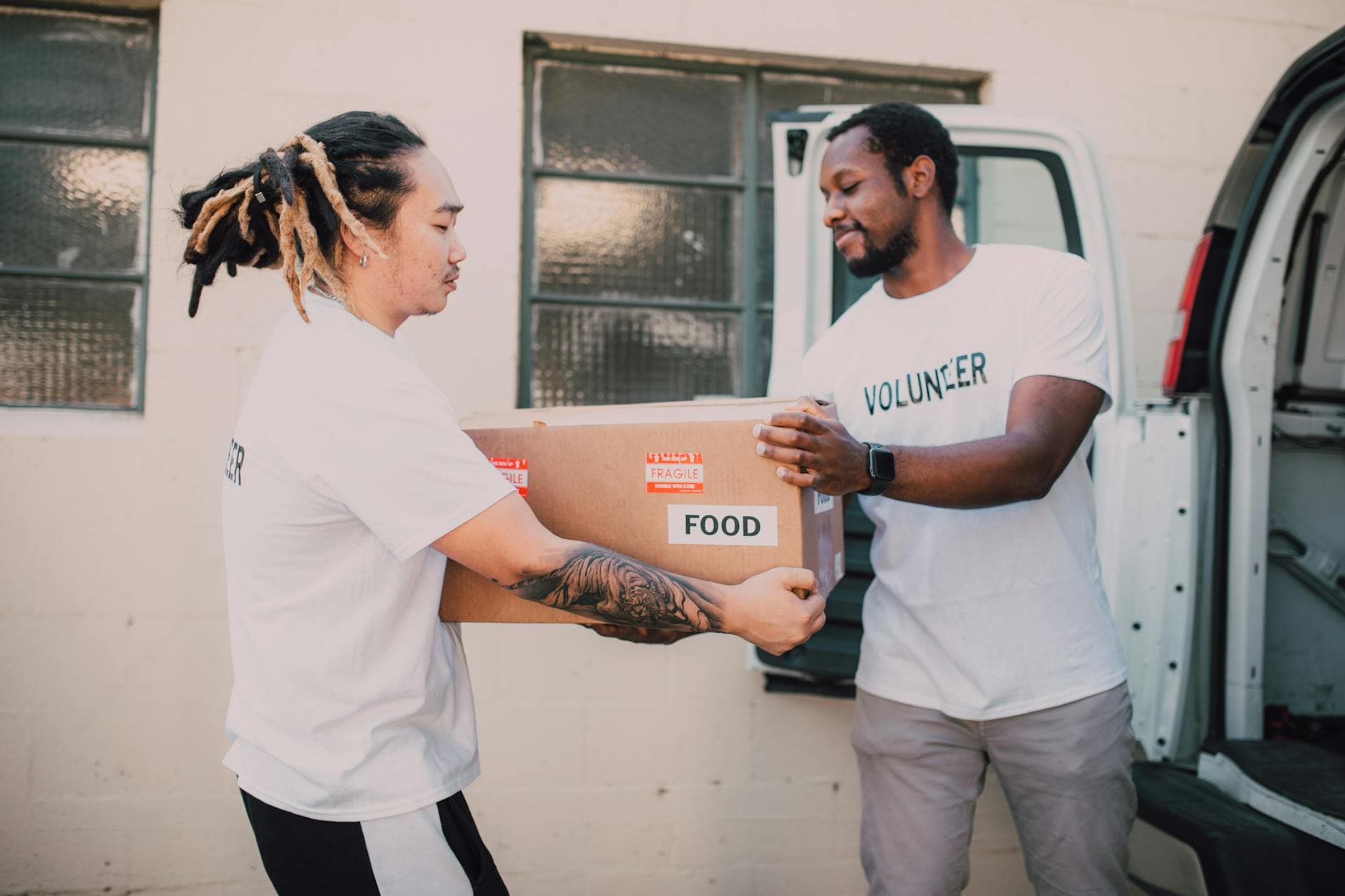
A Simple Gesture-Guilford County says it has been making donations easy since 2015, and its food recovery work depends on a lot of moving parts. The organization operates in Greensboro, North Carolina, partners with dozens of local food pantries, and uses weekday volunteer drivers for pickups and deliveries. Its food recovery program rescues edible food from businesses and delivers it to local nonprofits, which means the work stretches across restaurants, event venues, grocery stores, and other surplus-food sources.
That kind of model is effective, but it is also labor-intensive. Every pickup route depends on a chain of people who have to show up at the right time, know where to go, and communicate clearly when something changes. If a route loses a driver, a pantry is short on storage, or an event adds last-minute volume, the strain does not stay contained in one task. It ripples through the whole week.
Burnout shows up as a retention problem before it shows up as a headline
The CDC’s research makes the risk hard to ignore. In survey data on U.S. health workers, the share who said they felt burned out very often rose from 11.6 percent in 2018 to 19.0 percent in 2022. In the same analysis, trust in management, supervisor help, enough time to complete work, and a workplace that supported productivity were linked to lower odds of burnout.
That is exactly the kind of pattern nonprofit leaders should watch. When coordinators do not have enough time to finish route planning, when volunteer leads are improvising coverage every day, or when supervisors are too stretched to back people up, burnout stops being abstract. It becomes a retention issue, a scheduling issue, and eventually a service continuity issue. The CDC also found that harassment at work was associated with higher odds of burnout, anxiety, and depression, which is a reminder that burnout is not only about volume. It is also about the conditions people work in.
What leaders can change before busy season hits
For A Simple Gesture and similar food recovery teams, the most useful takeaway is to build burnout prevention into workflow before the pressure peaks. That means planning for overload during heavy pickup periods, setting realistic staffing expectations for events, and making sure there is always backup coverage when a volunteer driver or coordinator is unavailable. It also means treating handoffs as operational essentials, not informal favors.
A practical management checklist can look like this:
- Map the busiest pickup windows and identify where one absence would break the route.
- Assign backup drivers and backup coordinators before the schedule gets tight.
- Build short check-ins into weekly planning so supervisors can spot overload early.
- Protect time for donor calls, pantry updates, and delivery changes, rather than assuming they will get done “somehow.”
- Rework event staffing plans before the event, not during the scramble.
- Make it normal for people to step away without the whole system wobbling.
Those changes matter because burnout prevention is really about capacity management. If the team is always running hot, volunteers are less likely to stay engaged and staff are less likely to stay put. The work may still get done for a while, but it becomes more brittle with every added week of strain.
The broader nonprofit warning sign
A 2024 report from the Center for Effective Philanthropy, as summarized by Nonprofit Quarterly, found that burnout and staffing shortages continue to challenge nonprofits. That lines up with what food recovery teams already know from the ground: mission-driven work does not protect people from overwork. In some cases it hides the warning signs, because teams keep pushing through until the slack is gone.
That is why the CDC training is worth more than a compliance skim. It gives nonprofit leaders a language for what the organization can control: workload, supervision, backup systems, and the basic conditions that help people stay effective. For a food recovery nonprofit, sustainability is not just about how much food gets rescued. It is about whether the people coordinating the work can keep doing it without being burned out of the job.
This article was produced by Prism’s automated news system from verified source data, official records, and press releases, then run through automated quality and moderation checks before publishing. The system is built and supervised by the people who set the standards it runs under. Read our full AI policy.
Did this article answer your question?