Chicago Food Banks Brace for SNAP Surge as Work Rules Tighten
Chicago food banks braced for a SNAP surge as new work rules could cut benefits for up to 41,000 people. Volunteer-driven food recovery groups may feel the strain too.

New SNAP work rules in Illinois could turn a benefits cut into a labor problem for food recovery networks. Able-bodied adults without dependents can receive benefits for only three months in a 36-month period unless they meet work requirements or qualify for an exemption, and federal guidance on the expanded ABAWD rules was still being developed as of March 16, 2026.
The pressure is already visible in the Chicago area. Northern Illinois Food Bank Chief Impact Officer Jen Lamplough said the organization expected about 21,000 to 41,000 people to lose benefits, and a May 9 pop-up market was projected to serve between 800 and 1,600 families. Close to 2 million people in Illinois rely on SNAP, and the new work requirements took effect Feb. 1, though some households were not expected to lose benefits until May 2026.

For A Simple Gesture, the operational lesson is direct. When SNAP gets tighter, food banks and pantry partners are often the first place people turn, which can push up pantry traffic, trigger more urgent stock requests, and add pressure to volunteer recruitment at the same moment some volunteers may be affected by work or volunteering-hour rules themselves. A volunteer-driven model depends on a steady pipeline of helpers and predictable pickup routes. When demand spikes, both get harder to manage.
That is why the Chicago-area warnings matter beyond Chicago. The Greater Chicago Food Depository said the changes could affect pantry networks and increase food insecurity, and that is exactly the kind of strain that shows up locally as more emergency referrals, fuller distribution days, and less room for error in scheduling. For a neighborhood food recovery group, tighter eligibility at the federal level can quickly become a slower route, a thinner donation stream, and a longer list of households waiting for a bag at the door.
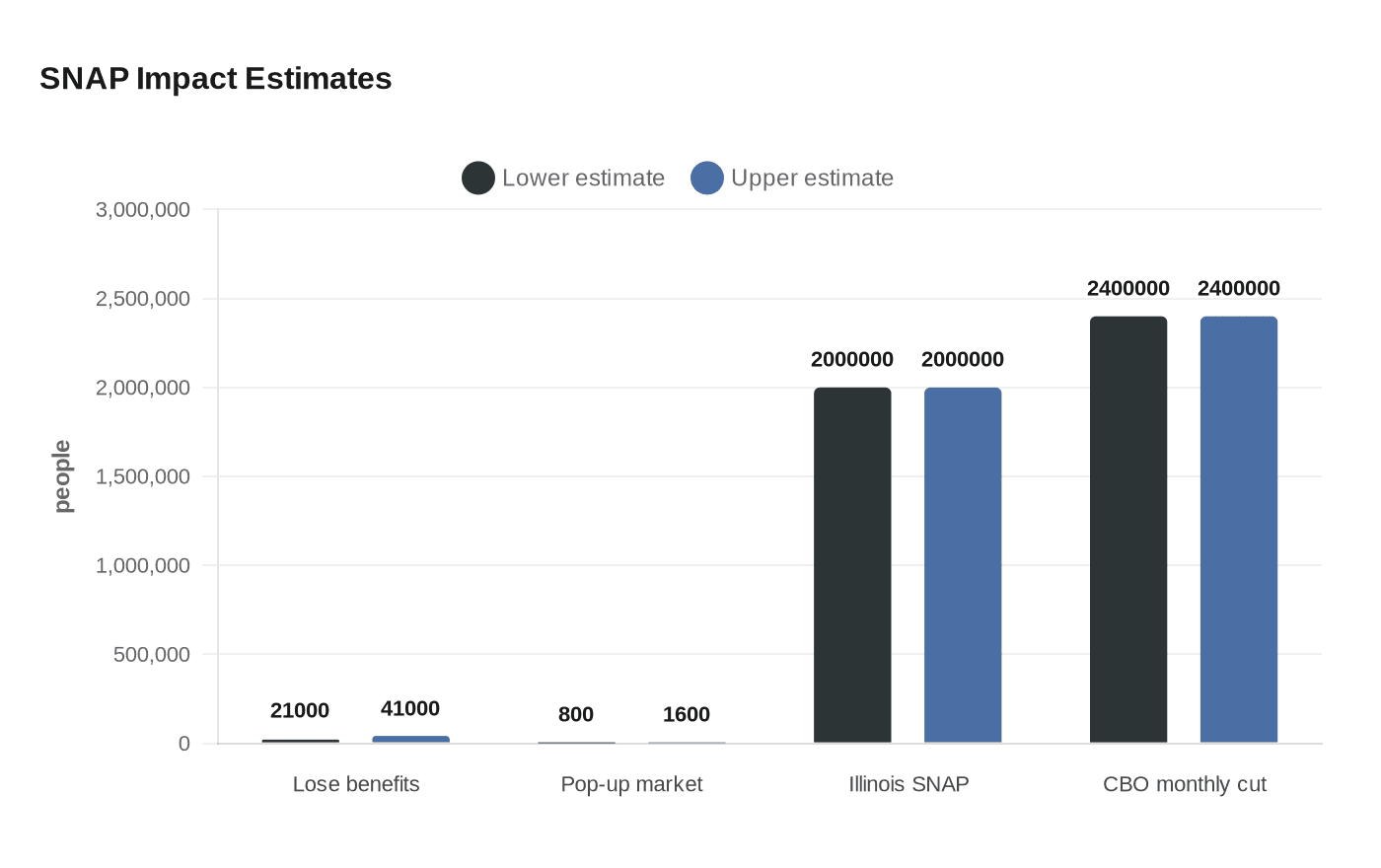
The broader federal picture is just as stark. The Congressional Budget Office estimated the SNAP provisions would reduce participation by roughly 2.4 million people in an average month over 2025 to 2034, including about 800,000 able-bodied adults through age 64 without dependent children. ABC7 also reported that hundreds of thousands of Illinoisans could lose benefits under the new law. For food recovery organizations, that is not a policy headline to file away. It is a warning that the next surge in need may arrive before the system has any slack left.
Know something we missed? Have a correction or additional information?
Submit a Tip