Church donation trucks deliver food to 250 food banks nationwide
A 250-truck church food drive shows the real bottleneck is logistics: sorting, storage and staffing that can move donated food from dock to pantry.

The headline number is easy to admire. The harder question is what happens after a semitruck unloads. The Church of Jesus Christ of Latter-day Saints said it would send 250 trucks of food to 250 food banks in all 50 states for America250, with each truck carrying roughly 40,000 pounds. That kind of volume can fill a warehouse fast, but it only helps families if food banks have the space, people and pickup systems to receive it, sort it and send it back out again.
The scale was already visible in local stops. In Kansas City, 200 volunteers unloaded 30,000 pounds of food at Harvesters Food Bank on April 23. In Boston, 35,000 pounds of shelf-stable food went to the Mary Ann Brett Food Pantry on April 10. Those are the kinds of loads that turn a one-day delivery into a planning problem: where to stage pallets, how many hands are needed on the dock, and which partner sites can take product quickly enough to keep it moving.
The church tied the effort to America250 when it announced the partnership in November 2025. Church leaders said the program would span service, family history and music, while America250 chair Rosie Rios called it a moment of unity and commissioner Cathy Gillespie said service could bring people together across political and religious lines. The food itself was practical, not symbolic: canned fruits and vegetables, meats, pasta, flour, pancake mix and dried milk, much of it produced by the church and funded by member donations.
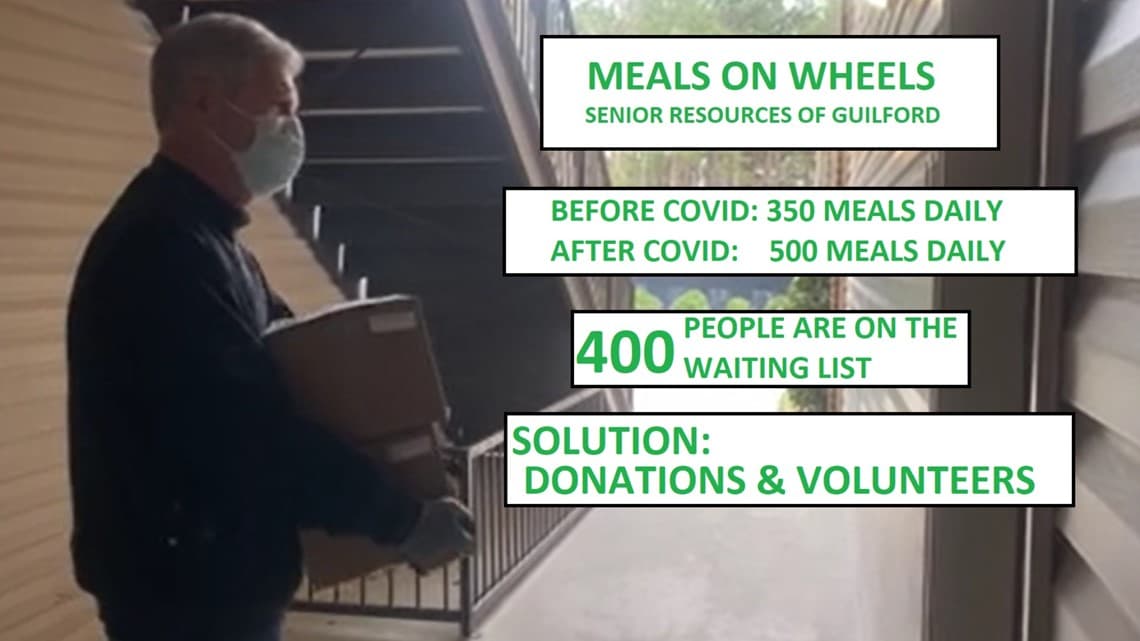
For A Simple Gesture, that is the same operating lesson in smaller form. Since 2015, A Simple Gesture has run in Guilford County with volunteer drivers collecting doorstep donations and moving food from neighborhoods into the nonprofit supply chain. The model began with Jonathan Trivers in Paradise, California, in 2011, and the Paradise effort has grown to more than 1,700 food donors and more than 132,000 pounds of food each year. A Simple Gesture says the approach has since been replicated by more than 70 chapters nationwide. In Guilford County, it started with just six families in a neighboring community and grew to 650 donors and 100 volunteers by 2022.
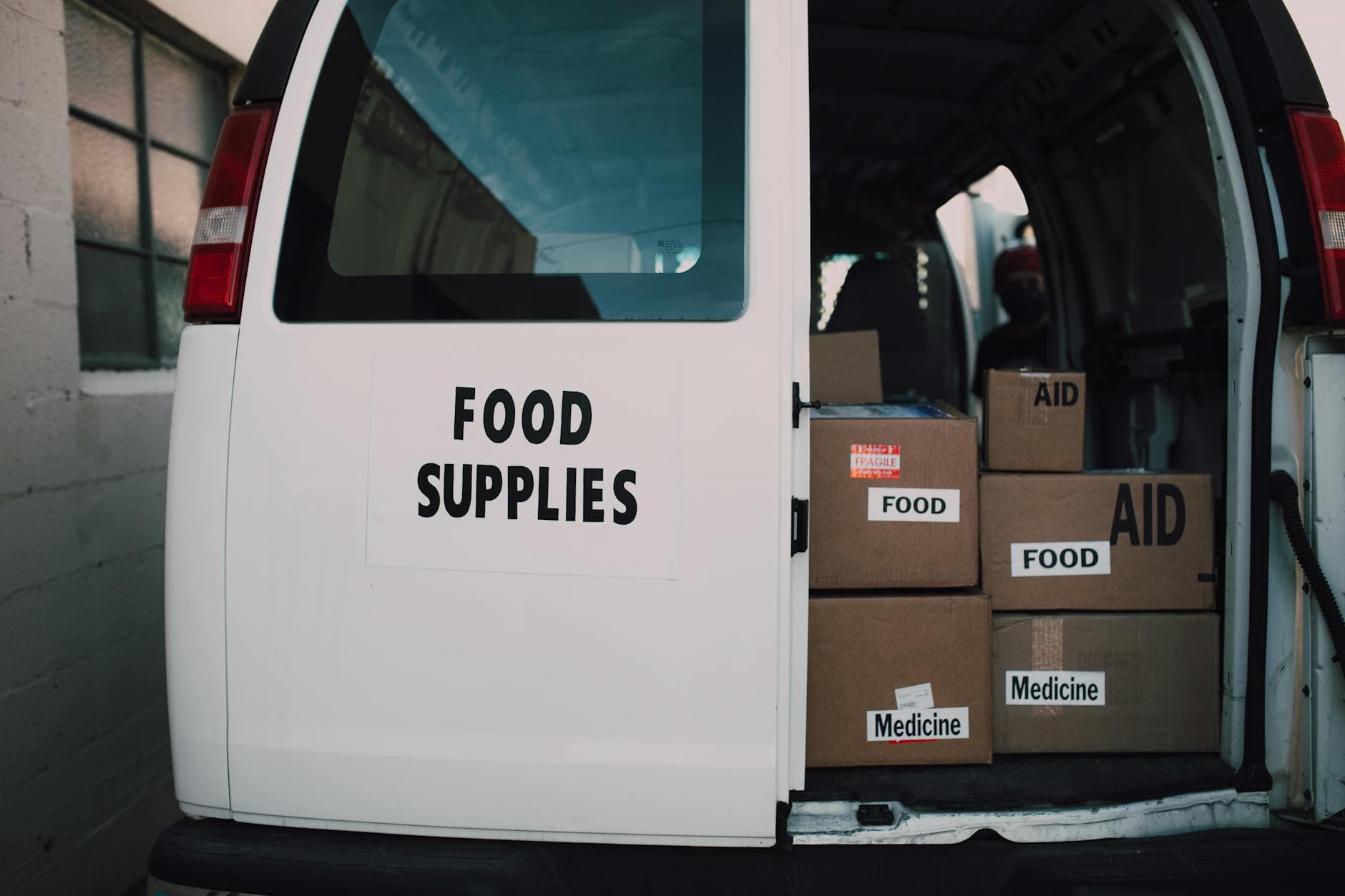
That kind of growth puts a premium on route coordination, volunteer recruitment and retention, and clear pantry relationships. A Simple Gesture-Reston, for example, takes collections directly to pantries on the day food is gathered, which shows how different chapter designs solve the same logistics problem in different ways. Whether the donation comes from a green bag on a doorstep or a semitruck at a warehouse bay, the work still depends on who can receive it, where it can be stored, and how fast it can move.
The pressure is real. Feeding America said nearly two-thirds of responding food banks reported higher demand in March than in February, and about 95 percent said demand had increased or stayed the same. McKinsey has said the U.S. saw a 50 percent surge in demand for food support during the pandemic. In that environment, donation drives do not succeed on generosity alone. They succeed when the system behind them is built to absorb the load.
Know something we missed? Have a correction or additional information?
Submit a Tip