Department of Labor overtime rules matter for nonprofit fieldwork, evenings
When field pickups, evening events and desk work blur together, one missed overtime calculation can hit budgets, staffing and trust at A Simple Gesture.

Overtime compliance is a mission issue, not just a payroll task
At a nonprofit like A Simple Gesture, the hardest hours to track are often the ones that happen outside the office. A coordinator may spend part of the week planning pickup routes, part of it answering donor questions, and part of a weekend covering an event or rescuing surplus food from a business. That kind of blended schedule is exactly where overtime mistakes start, and the U.S. Department of Labor’s rules make clear that the answer is not based on whether the work feels mission-driven.
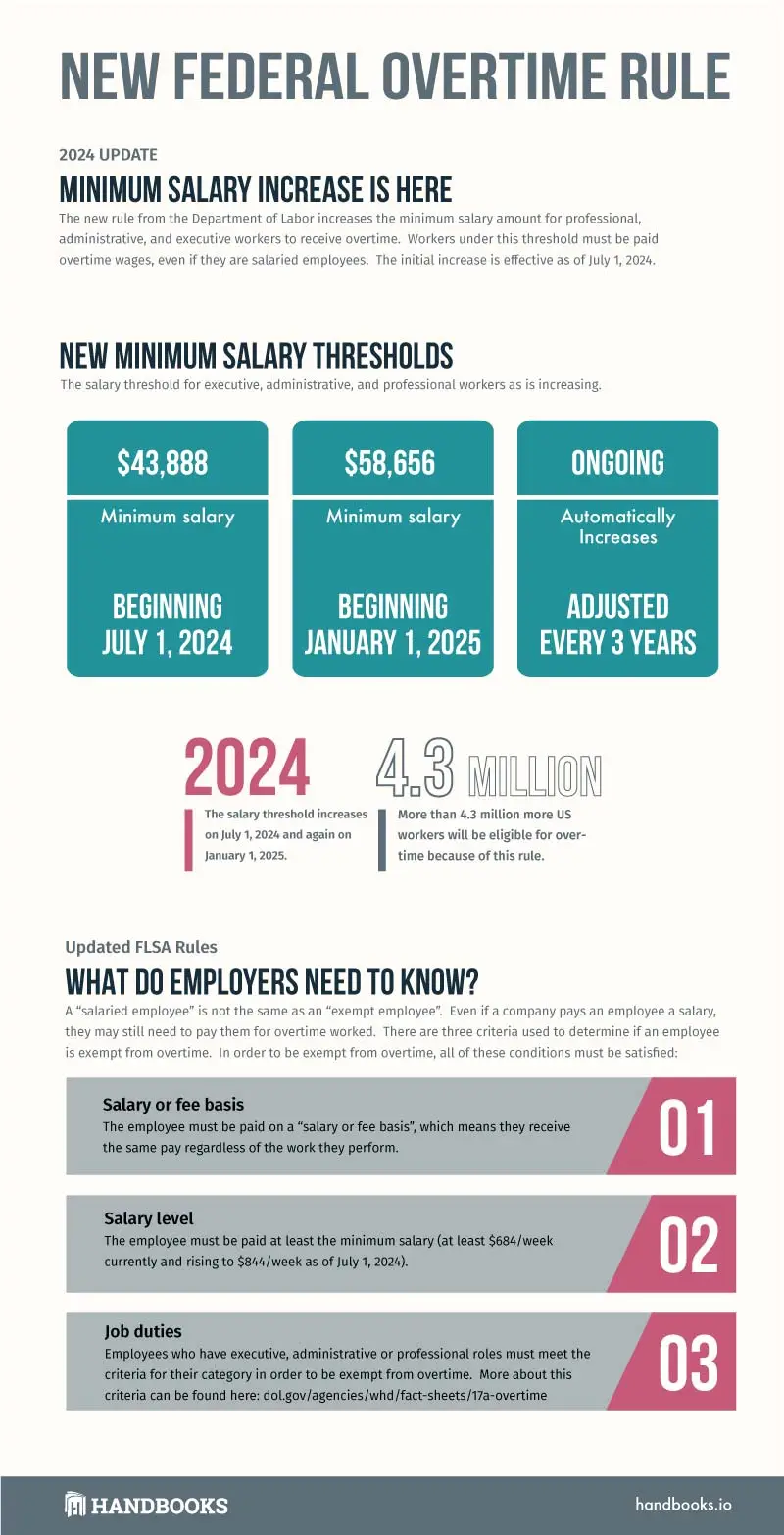
The basic standard is simple: unless an employee is exempt, covered workers must receive overtime pay at not less than one and one-half times their regular rate for hours worked over 40 in a workweek. The workweek is the measuring unit, which means managers need to track actual hours, not just the days someone was “on call” for the cause.
What the federal rule actually says
The Department of Labor also makes an important point that often surprises nonprofit teams: overtime is not automatically owed for Saturdays, Sundays, holidays, or regular days of rest. Those days trigger overtime only if they push the employee over 40 hours in the workweek, or if another law or agreement requires extra pay.
That detail matters in organizations where fieldwork and events do not follow a neat Monday-through-Friday pattern. A staffer who logs 32 hours by Thursday, then helps with a Saturday food recovery shift and a Sunday distribution, may suddenly cross the overtime line. The law does not look at the nobility of the work; it looks at the hours.
The Department of Labor also says some employees may be exempt from minimum wage and overtime under the executive, administrative, professional, computer or outside sales exemptions. Those categories are where nonprofits often need the most caution, because job titles alone do not settle the question. The actual duties matter, and the classification call should be made before a payroll problem turns into a legal one.
Why nonprofits get tripped up
Mission-driven workplaces can accidentally normalize unpaid extra work because everyone is focused on serving the community. That is especially true in lean teams, where one person may handle donor communication, route coordination, weekend coverage and last-minute volunteer scheduling all in the same week. The pressure to “just help out” can blur into a habit of undercounting time.
For managers, that creates three separate risks at once. First, there is budget risk, because overtime that was never planned for can eat into tight program funds. Second, there is staffing risk, because chronically long weeks often signal that the team is too thin for the load. Third, there is legal exposure, because paying a worker incorrectly is not a small clerical issue when hours, exemptions and coverage rules are involved.
The Wage and Hour Division’s guidance is useful here because it points employers toward fact sheets and industry-specific explanations before a classification mistake hardens into payroll practice. For a nonprofit that blends office work with field activity, that is not theory. It is a practical tool for deciding whether a role is exempt, whether hours are being counted correctly, and whether a schedule is drifting into overtime territory week after week.

Why A Simple Gesture is a clear example
A Simple Gesture has been operating since 2015 in Guilford County, North Carolina, and its work shows why these rules matter in real time. Its food recovery program rescues edible food from businesses and delivers it to local nonprofits. The organization says its volunteer food recovery driver role is a weekday position, but the larger operation can still involve after-hours coordination, route planning and coverage tied to restaurants, event venues, grocery stores and other businesses with surplus food.
That mix of business hours, community events and logistics is where employee time can be undercounted if managers are not careful. A staff member may spend the morning handling administrative tasks, the afternoon dealing with pickup adjustments, and the evening covering a donor or pantry need. The work is mission-aligned, but it is still paid labor that needs to be recorded accurately.
The scale of the organization underscores the point. As of December 2025, A Simple Gesture said it had delivered more than 8,000,000 child-size meals, with $13,000,000 in donated food value, 75-plus pantry partners, 3,900-plus recurring food donors and 200 monthly volunteers. A network that large depends on timing, trust and repeat coordination, which means even one payroll error can ripple into morale, retention and operating discipline.
The nonprofit coverage rules that managers need to know
The Department of Labor’s nonprofit fact sheet adds another layer that can be easy to overlook. Donations and contributions used for charitable activities are not counted toward the $500,000 enterprise-coverage threshold for nonprofits. That matters because many charitable organizations assume all incoming money affects coverage in the same way, when the law draws a line between charitable receipts and commercial activity.
There is another important distinction: if a nonprofit also conducts commercial activities and those activities generate at least $500,000 a year, employees engaged in those commercial activities may be covered on an enterprise basis. For a lean organization, that can mean one part of the operation sits under a different wage-and-hour analysis than another part. A side revenue stream or fee-based activity is not just an accounting line. It can change how the organization must think about payroll compliance.
That is why managers should not wait until a worker has already logged too many hours. A route planner, a driver coordinator or an events lead may drift into different duties across the week, and those changes can affect whether the employee is exempt, nonexempt or covered under enterprise rules tied to commercial activity.
Practical controls that protect the mission
A compliant time system does not need to be bureaucratic, but it does need to be real. For organizations like A Simple Gesture, the most useful habits are the ones that match how the work actually happens.
- Track all hours in a single workweek, including evening events, field pickups and admin catch-up time.
- Review roles for exemption status before relying on titles like coordinator, manager or director.
- Separate purely charitable work from any commercial activity that might affect coverage.
- Watch for recurring Saturday or Sunday coverage that is quietly pushing staff over 40 hours.
- Build budgets with a cushion for overtime in weeks that include donor events, emergency pickups or volunteer gaps.
- Use DOL fact sheets when a role involves mixed duties, because the mix of tasks often matters more than the name of the position.
For staff, clear timekeeping reduces confusion in event-heavy weeks and emergency coverage. For coordinators, it supports better staffing plans and more accurate budgeting. For the organization, it prevents a familiar nonprofit problem from becoming a bigger one: a payroll oversight that turns into a trust issue.
The bottom line for lean teams
A healthy nonprofit workforce is one that respects both community needs and employee rights. A Simple Gesture’s scale, with its pantry partners, recurring donors and monthly volunteers, shows how much can be accomplished when operations are tight and reliable. The Department of Labor’s overtime rules are part of that reliability.
In a small organization, one overtime mistake can travel fast, affecting cash flow, staffing and credibility all at once. The strongest nonprofit teams do not treat compliance as separate from the mission. They treat it as the structure that keeps the mission moving.
This article was produced by Prism’s automated news system from verified source data, official records, and press releases, then run through automated quality and moderation checks before publishing. The system is built and supervised by the people who set the standards it runs under. Read our full AI policy.
Did this article answer your question?