Food banks fight to keep wages up as aid fades
Food banks raised pay during pandemic aid, then had to fight to hold it as staff shortages threatened routes, warehouse shifts and pantry deliveries.

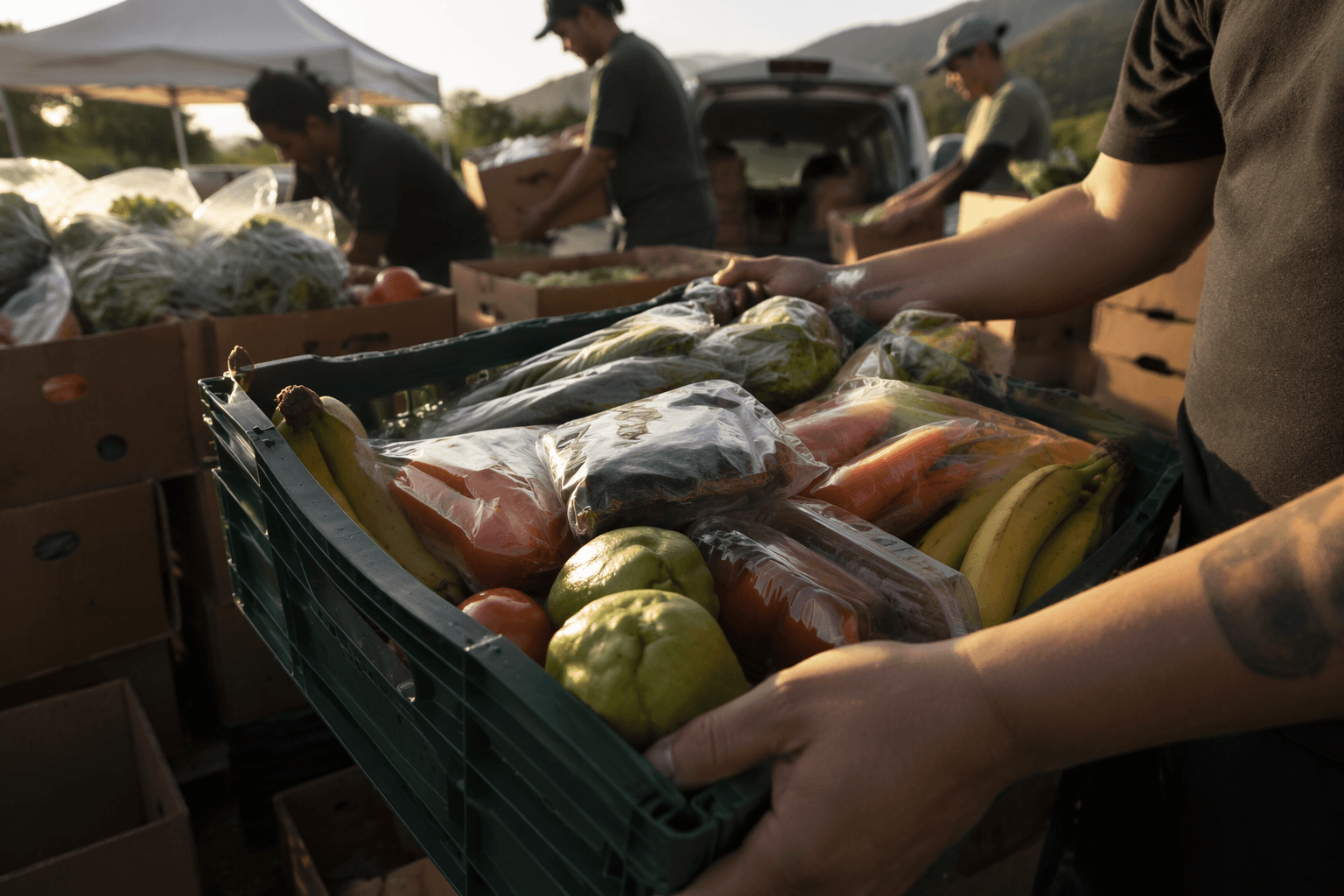
Food banks that lifted wages with pandemic-era aid are now trying to keep drivers, warehouse staff and intake workers from walking out as outside funding tightens. The risk is practical, not abstract: when pay and benefits lag, vacancies linger, turnover rises and families wait longer for food that has already been donated.
That pressure shows up across the nonprofit sector. Independent Sector said 22 percent of nonprofit employees were below the ALICE threshold in 2022, based on data from 13.9 million workers. Another 5 percent were below the official poverty level and 17 percent were ALICE, or asset limited, income constrained and employed. The hardship rate was 32 percent in social assistance nonprofits and 30 percent in the community food and housing subsector, and Black and Hispanic nonprofit workers were twice as likely as White workers to face financial hardship.

For food banks, that means retention is now part of service delivery. Long Island Cares, founded in 1980 and serving Nassau and Suffolk counties as a Feeding America partner food bank, raised its minimum wage to $21 an hour from $15.50 over three years and added annual performance-based bonuses. Holy Apostles Soup Kitchen and Food Pantry set a $25-an-hour floor during its most recent compensation assessment in 2023. Manna Food Center used feedback from its Staff Advisory Committee to speed up a salary survey by a year, and the outside review pushed it toward 15 percent increases in its pay bands.
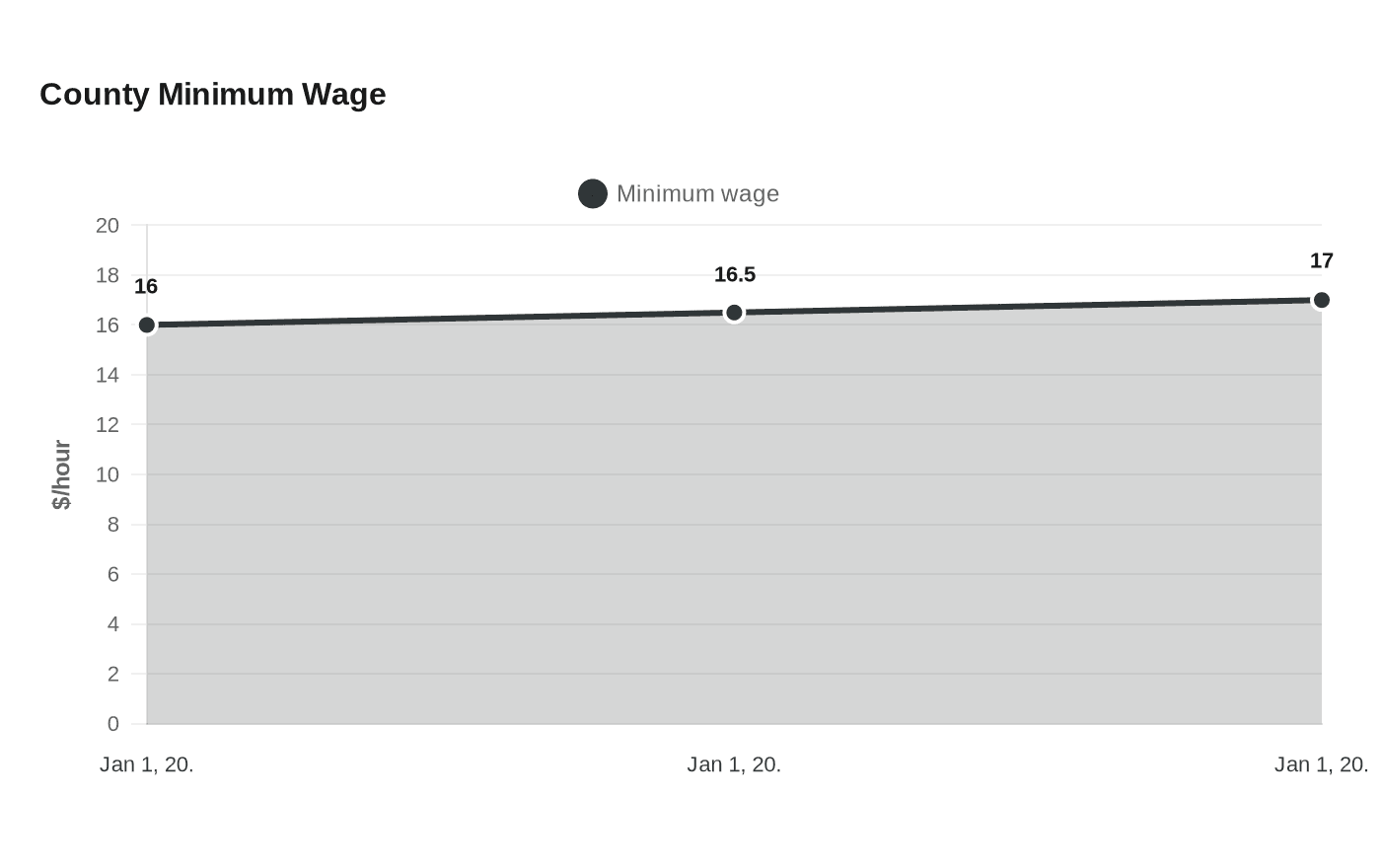
The wage race is unfolding in a New York labor market that has also moved. Minimum pay in Nassau, Suffolk and Westchester counties rose to $16 an hour on January 1, 2024, then to $16.50 on January 1, 2025, and $17 on January 1, 2026. Starting in 2027, the state’s minimum wage will be indexed annually to CPI-W for the Northeast Region. That leaves employers like Long Island Cares well above the legal floor, using pay policy as a retention strategy rather than a compliance exercise.
For organizations like A Simple Gesture, the lesson is the same: if staff cannot afford to stay, green-bag pickup routes, pantry partnerships and volunteer coordination become harder to run. Independent Sector’s 2024 health review said nonprofits contributed more than $1.4 trillion to the U.S. economy in 2023, but it also made clear that the sector’s reach depends on a workforce that can weather the same cost pressures as the communities it serves.
This article was produced by Prism’s automated news system from verified source data, official records, and press releases, then run through automated quality and moderation checks before publishing. The system is built and supervised by the people who set the standards it runs under. Read our full AI policy.
Know something we missed? Have a correction or additional information?
Submit a Tip