Food banks shift toward deeper hunger relief and community partnerships
Blue Ridge Area Food Bank is pushing past crisis response, and that changes how volunteers, partners, and route teams measure success.
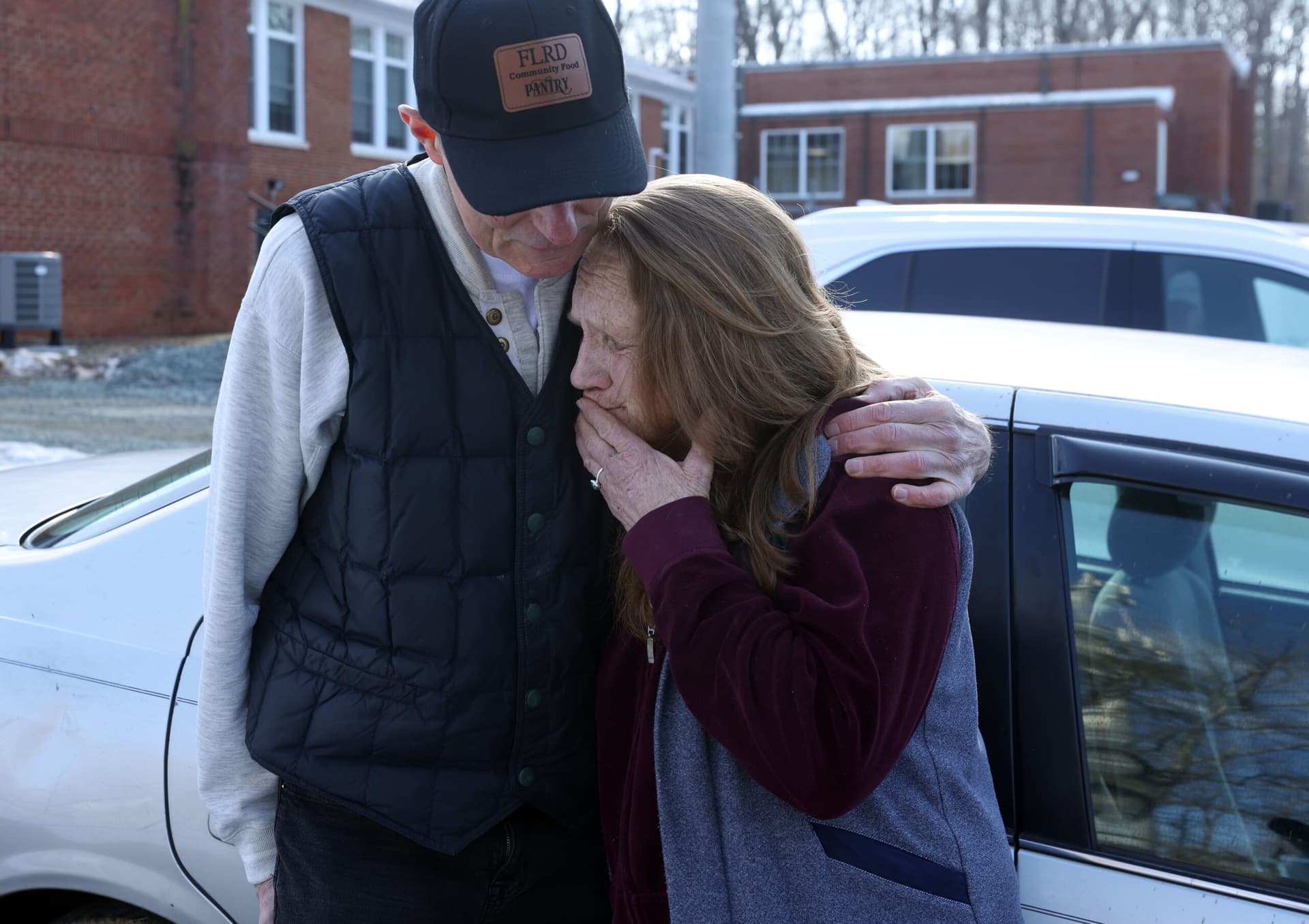
Blue Ridge Area Food Bank is signaling that hunger relief now has to do more than move boxes of food. At its April 22 forum, “More Than a Moment: From Emergency Response to Enduring Change,” CEO Kari Diener framed the work as a shift toward longer-term solutions, not just faster emergency response, and she grounded that argument in a first-year tour of more than 50 food pantries and distribution sites.
Emergency response is giving way to systems work
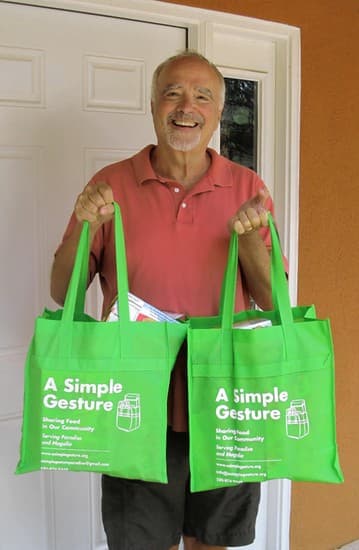
The core message for anyone running a doorstep donation program is simple: food still matters, but food alone is no longer the full strategy. Diener connected hunger to poverty, health, housing, and equity, which means food banks and neighborhood partners are being asked to do more navigation work, more relationship-building, and more coordination around the conditions that keep households stuck in repeated need. For A Simple Gesture, that is a reminder that green bag collections are only one part of the job; the other part is making sure donations land inside a system that can help families stabilize over time.
That shift also changes the way staff think about success. In an emergency-response model, the main question is often how quickly food gets out the door. In a deeper-relief model, the questions expand to include whether the same households are getting connected to the right pantry, whether partner organizations are coordinated enough to avoid gaps, and whether volunteers feel part of something durable rather than a one-off drive.
The scale of the need is what is forcing the change
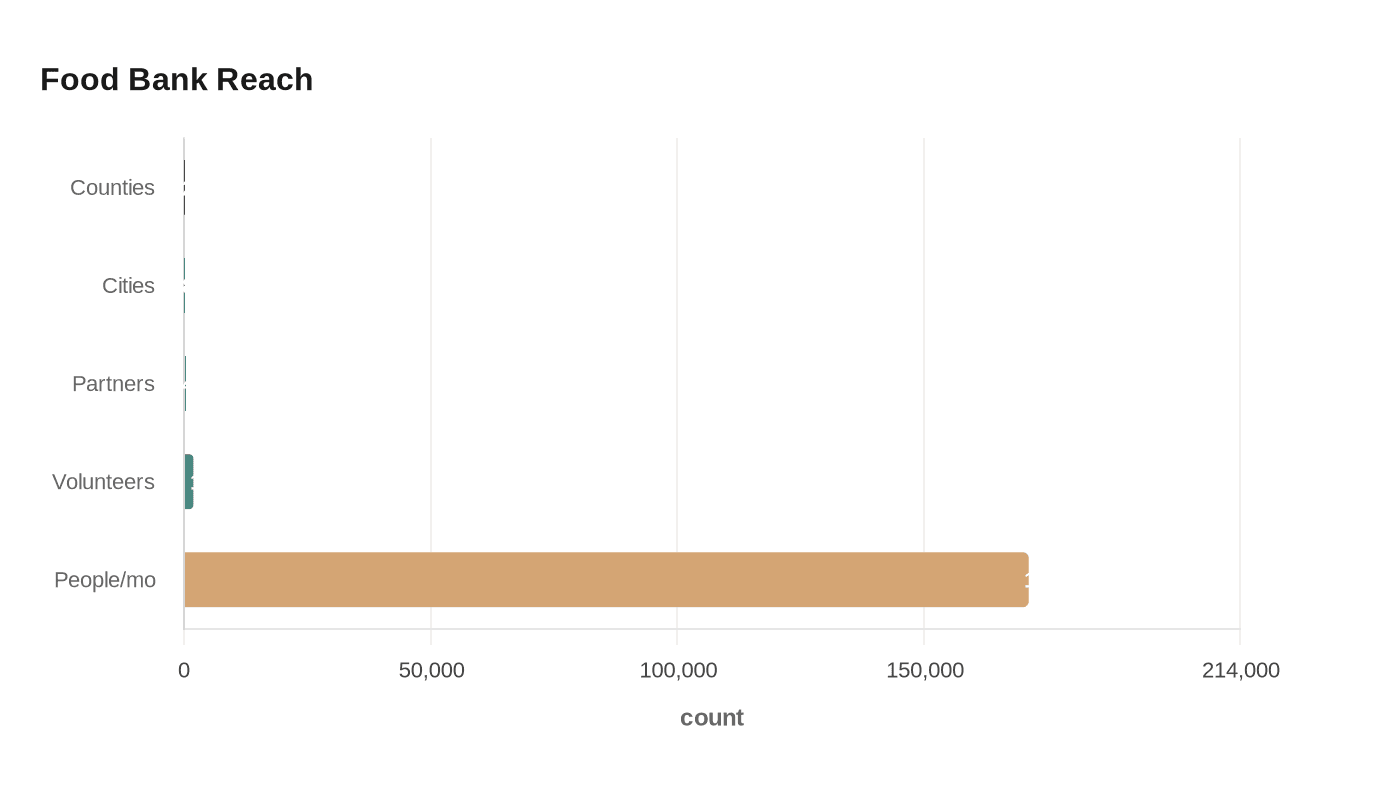
The Blue Ridge Area Food Bank says it serves 25 counties and 8 cities through more than 400 community partners and program sites. It says one in every 9 people in the region experiences food insecurity, and that it serves more than 171,200 people each month. In another recent update, the network said it distributed more than 27 million meals, or 32 million pounds of food, over the past year.
Those numbers explain why operational discipline matters so much. A Simple Gesture’s route planning, pickup reliability, and pantry coordination are not back-office chores. They are the infrastructure that keeps recurring donations flowing into a system serving tens of thousands of households every month. When need is this widespread and this persistent, missed pickups, weak partner communication, or volunteer churn do not stay small for long.
Volunteer retention is now a strategic issue
The food bank says it has more than 1,900 volunteers, but Diener also pointed to an aging volunteer base and tighter operating conditions, including fewer free food resources and lean budgets across the network. That combination makes volunteer recruitment and retention more than a staffing problem. It becomes a capacity question for the whole model.
The forum write-up offered a useful human example: a long-time volunteer at the mobile food pantry who built friendships through the work. That detail matters because it shows why people stay. Volunteers do not return only because the job is efficient. They return when the work gives them belonging, a sense of purpose, and a clear place in the larger mission. For A Simple Gesture, that is especially relevant to recurring doorstep collections, where the same volunteers often carry the trust of an entire neighborhood route.
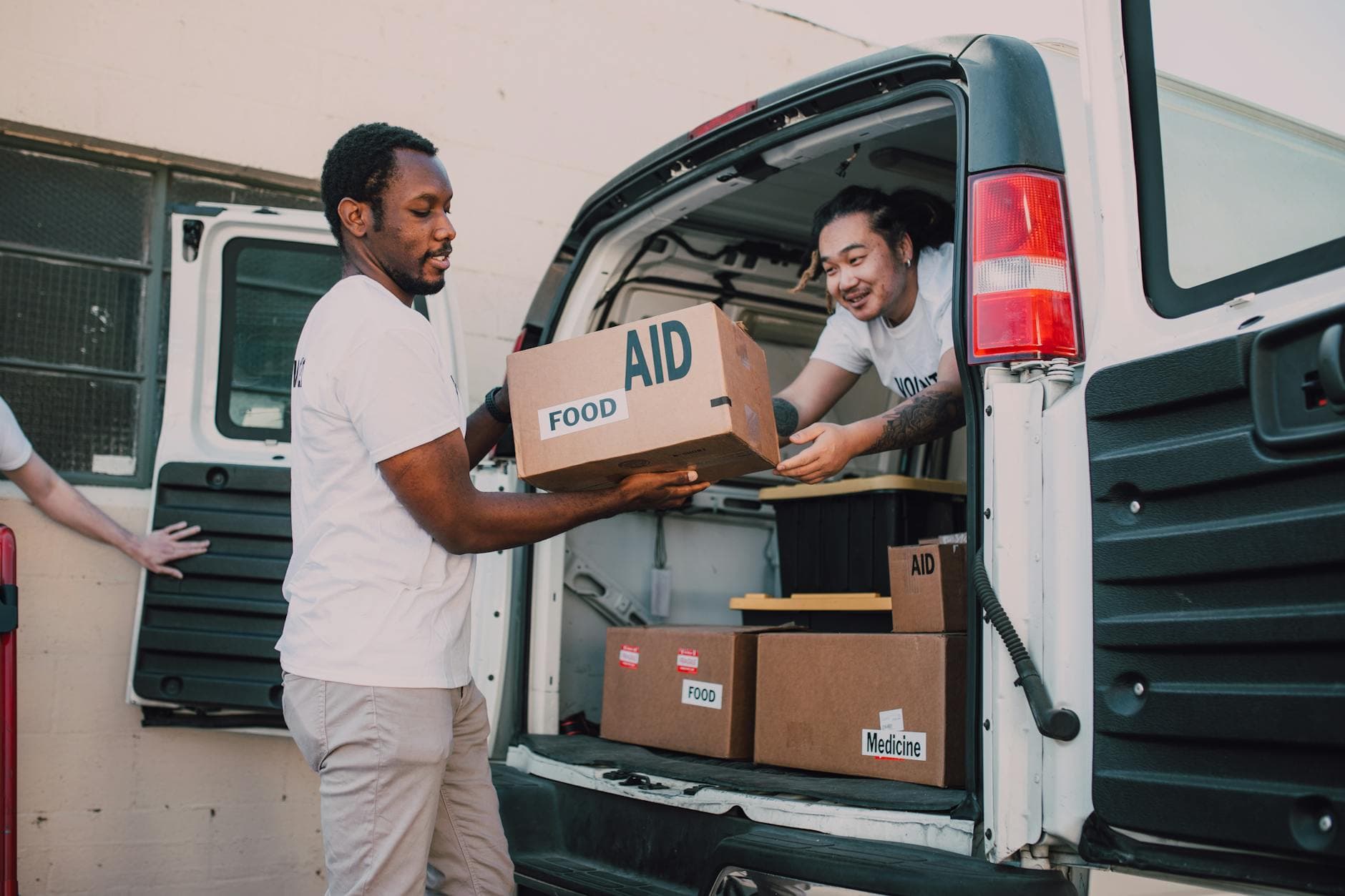
It also means coordinators need to think like workforce planners. A healthy volunteer program is not just a list of names. It is a bench of trained backups, route coverage that can survive vacations and turnover, and communication that keeps volunteers feeling connected to the outcome, not just the task.
Partnerships are becoming the real delivery system
Blue Ridge’s network shows what this looks like in practice. The food bank’s mobile food pantry began in 2010 and marked 15 years of impact in 2025, bringing healthy food directly to neighbors who cannot easily reach traditional pantries. The organization says some rural mobile sites have no income requirements, and it also says all mobile food pantry sites rely entirely on private funding.
That last detail is especially important. A model built on private dollars has to prove its value not just in pounds distributed, but in how well it fills gaps other systems cannot cover. A Simple Gesture staff can read that as a warning and an opportunity: if donor-driven food recovery is going to expand, it will need deeper relationships with pantries, clinics, schools, faith communities, and local service groups that can help target need and keep the system responsive.
Blue Ridge’s partner ecosystem points in that direction, with community ties that can include places such as Westhaven CARES Clinic, JMU Gus Bus, Virginia Cooperative Extension, Coalition for HIV Awareness and Prevention, and Daystar Worship Center. A local family farm donating 18,000 eggs is another sign of how much the work depends on cross-sector coordination. Farms, volunteers, and pantry operators are not separate lanes anymore. They are all part of the same delivery chain.
Leadership is shifting from distribution to durability
Diener brings more than 25 years of humanitarian leadership, including work in South Sudan, Jordan, Maine, and U.S. social service agencies. She succeeded Michael McKee, who retired at the end of June 2025 after 15 years of service, including 12 as CEO. In his final year, the food bank says, McKee oversaw distribution of 31 million pounds of food through nearly 400 community partnerships.
That handoff matters because it shows the scale of the operational system Diener inherited. McKee’s closing year was about sustaining volume across a large partner network. Diener’s first year is about translating that reach into a more durable response to hunger, one that treats food access as part of a broader community support system.
For A Simple Gesture, the lesson is not to abandon the green bag model. It is to treat it as a platform for deeper engagement. The future of food recovery will belong to organizations that can keep volunteers invested, keep routes reliable, and keep partners connected to a larger strategy that goes beyond the next pickup.
This article was produced by Prism’s automated news system from verified source data, official records, and press releases, then run through automated quality and moderation checks before publishing. The system is built and supervised by the people who set the standards it runs under. Read our full AI policy.
Did this article answer your question?