Food Rescue US model shows flexible tech can streamline food recovery
A Simple Gesture can borrow one key Food Rescue US lesson: let nearby volunteers claim pickups in real time, and food recovery gets faster, easier to route and simpler to keep staffed.
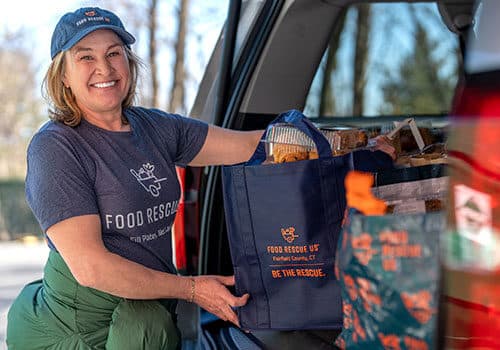
A last-minute pickup gets claimed faster when volunteers can see it by day, time, or location and take it without waiting for a fixed shift. That is the operational edge in the Food Rescue US model, and it is the part A Simple Gesture can borrow most directly: a flexible system that matches available people to real food recovery needs in real time.
Why flexible dispatching changes the work
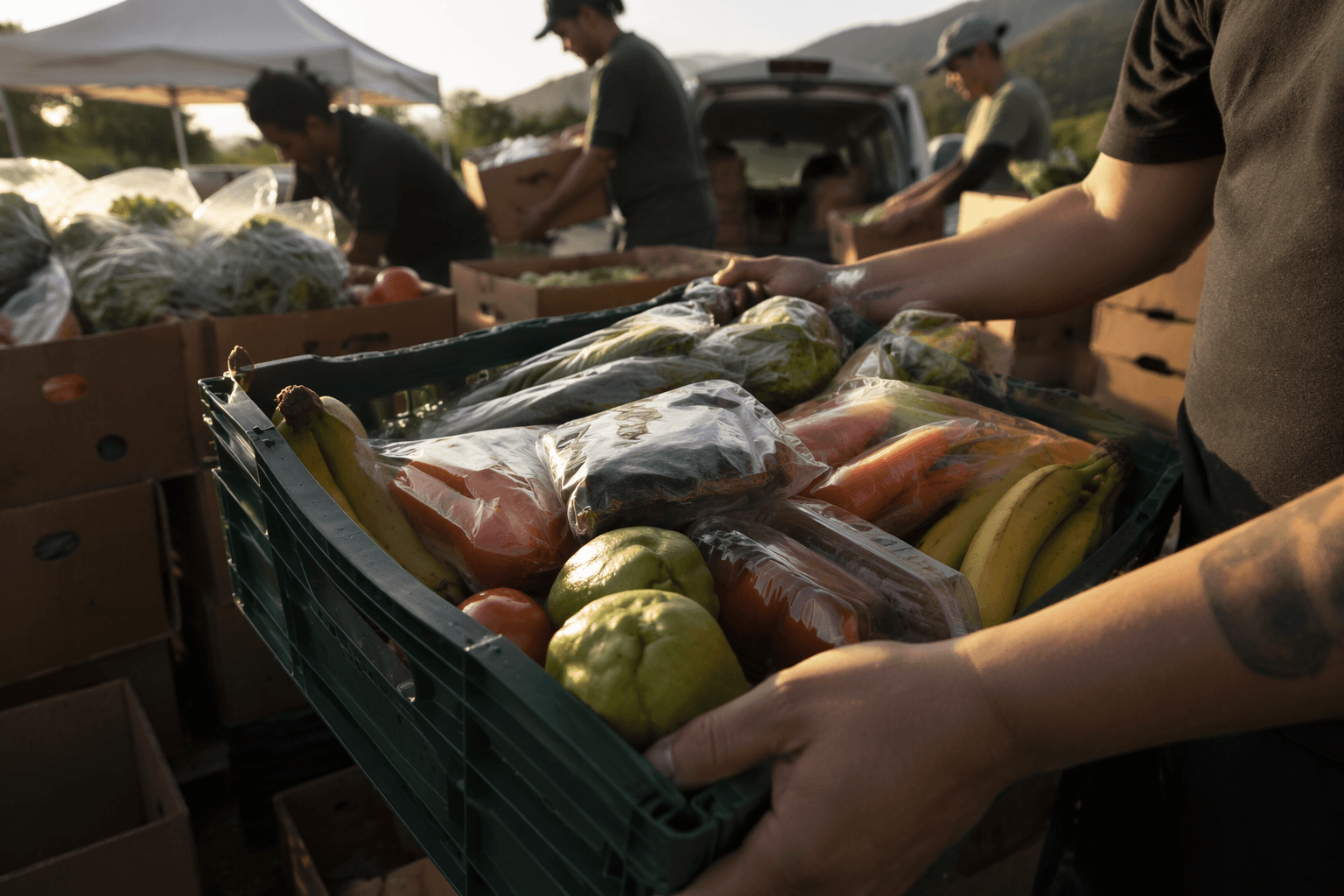
Food recovery gets messy fast. Donations arrive when a business has surplus, a pantry’s needs change, and a volunteer’s availability rarely lines up perfectly with either one. Food Rescue US built its process around that mismatch, using a web-based app that connects food donors, volunteers, and receiving agencies in one system so opportunities can be claimed and completed when they fit someone’s schedule.
For A Simple Gesture, that is more than a technology story. It is a staffing and retention story, because the difference between a volunteer who stays and a volunteer who disappears is often whether the work feels manageable. Short, clearly defined tasks are easier to recruit for than open-ended obligations, especially in a neighborhood-based program where people are already balancing jobs, caregiving, and commuting.
How the Food Rescue US workflow works
The model starts with the donor side. Local food donors register available fresh food, receiving agencies communicate what they need and where they can take delivery, and volunteers step in to bridge the gap. Food Rescue US says volunteers can claim rescues by day, time, or location, which makes the system feel less like a calendar commitment and more like a live dispatch board.
That flexibility matters because the organization also lets volunteers claim a single rescue or adopt a recurring rescue and then adjust it to suit their schedule. In practice, that means one volunteer can take a one-off pickup when life allows, while another can build a repeating route around a regular routine. For an operation like A Simple Gesture, that distinction matters because green-bag pickups, weekday driver coverage, and pantry handoffs do not all behave the same way.
Food Rescue US also describes its app as award-winning, integral to its model, and designed to be scalable and sustainable. It is a useful reminder that food recovery software is not just about convenience for staff. It is about reducing friction at every step, from the first claim to the final drop-off, without stripping out the human judgment that keeps local networks working.
What the scale numbers say about the model
The operational case gets stronger when the scale is added in. In its 2024 impact report, Food Rescue US said it was active in 44 locations across 23 states plus Washington, D.C. It said more than 24,000 registered volunteers completed 131,968 rescues, delivering nearly 32 million meals and diverting more than 37 million pounds of food from landfills.
Those numbers do not just measure generosity. They show what happens when a system can absorb many small, variable tasks without depending on a rigid weekly schedule. Food recovery is full of route uncertainty, and a platform that can route work to the right volunteer at the right moment can keep excess food moving instead of sitting in a cooler or going to waste.
The longer arc matters too. Food Rescue US says it has provided 166 million meals and kept 199 million pounds of excess food out of landfills since its founding. It also says that in 2017 it changed its name from Community Plates to Food Rescue US and launched a new version of its app the same year. By 2014, it had already rescued more than 6 million meals and was operating beyond Fairfield County in Albuquerque and Columbus, which suggests the model was built to travel before it was built to scale.
What A Simple Gesture can copy tomorrow
A Simple Gesture already operates in a version of this world. In Guilford County, North Carolina, it has worked since 2011, became a 501(c)(3) in 2015, and now partners with dozens of local food pantries. Its Green Bag Program collects donations from donors’ doorsteps, and the organization also relies on food recovery volunteers who can serve as weekday drivers.
That makes the Food Rescue US lesson especially relevant: route design matters as much as mission language. If a pickup system lets a volunteer see an opportunity, claim it quickly, and get live support when needed, then the work becomes easier to sustain for staff and easier to enter for volunteers. The practical win is not just speed. It is fewer broken handoffs between donors, drivers, and pantry partners.
A simple operational upgrade could be as basic as this:
- Let volunteers claim pickups by geographic area, not just by a fixed weekly slot.
- Build reminders around the actual pickup window, not a generic volunteer calendar.
- Give pantry partners a clearer way to flag urgency, perishability, and delivery preferences.
- Make it easy for a volunteer to take one rescue now and a recurring route later.
That structure helps the organization absorb last-minute changes without turning every deviation into a staff emergency. It also makes it more realistic for people with limited time to participate, which is often the difference between a volunteer bench that grows and one that shrinks.
Why the Yale insight matters for recruitment
A Yale partnership post adds a useful nuance that many volunteer programs miss: communities with mostly student volunteers may benefit more from last-minute claiming, while communities with professionals on set schedules may benefit more from recurring adoption. That is the kind of operational detail that can save a nonprofit from copying the wrong model just because it looks efficient on paper.
For A Simple Gesture, that insight suggests the volunteer experience should reflect the local labor market, not just the software menu. If weekday drivers are the core need, then recurring routes and predictable reminders may matter more. If a neighborhood has a deep pool of occasional helpers, then real-time claiming could unlock more pickups than a fixed shift ever will.
Food safety, local leadership, and trust
There is one more operational layer in Food Rescue US that matters for any food recovery group: standardized local leadership. Food Rescue US says all site directors must complete ServSafe certification, which signals that flexibility does not mean looseness. The technology can make participation easier, but the organization still needs trained people who know how to handle food safely and keep agencies confident in what arrives at the door.
That balance is the part worth studying. The best food recovery systems do not ask volunteers to behave like staff, and they do not ask staff to absorb every scheduling mismatch by hand. They create clear rules, then use technology to move work into the right hands faster.
For A Simple Gesture, the takeaway is not that one app can solve every route problem. It is that the right system can make food recovery feel more accessible, reliable, and repeatable over time. In a field where every missed handoff can mean wasted food or a pantry left short, that is not a digital perk. It is the operating model.
This article was produced by Prism’s automated news system from verified source data, official records, and press releases, then run through automated quality and moderation checks before publishing. The system is built and supervised by the people who set the standards it runs under. Read our full AI policy.
Know something we missed? Have a correction or additional information?
Submit a Tip