Goodera guide helps first-time volunteers prepare for A Simple Gesture shifts
First-time A Simple Gesture volunteers do best when they arrive dressed for sorting, lifting, and check-in. Clear expectations make a one-off shift feel manageable and more likely to turn into a repeat visit.
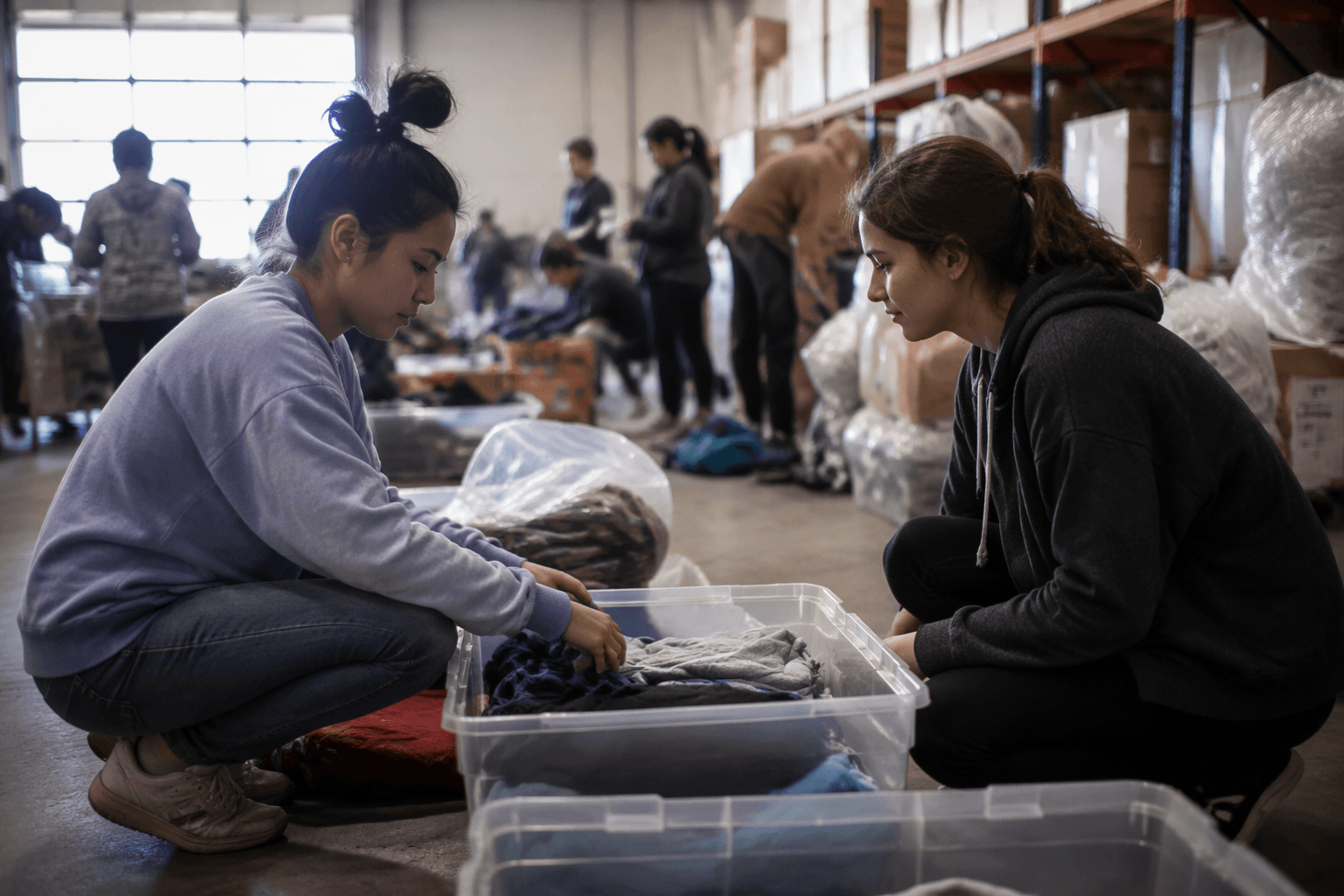
At A Simple Gesture, recurring green-bag food recovery and monthly or every-other-month drives depend on volunteers who may only have a few hours to give. A practical first-shift guide lowers the usual anxiety around clothes, check-in, and physical work, which is what keeps first-timers from drifting away.
What A Simple Gesture is asking you to step into
A Simple Gesture is a 501(c)(3) nonprofit that provides everything needed to start and run recurring food drives. Its food-recovery model is built around “feeding not wasting,” with the goal of preventing good food from going to waste while helping neighbors through the hunger-relief system in Guilford County. Its broader network of work includes Green Bag Recovery, Food Recovery, and SHARE, all of which depend on volunteers who understand the rhythm of a recurring operation rather than a one-off event.
A Simple Gesture’s founder, Jonathan Trivers, built an organization that relies on household donations, route coordination, and pantry partnerships, not just occasional special events. The Guilford County operation is branded as A Simple Gesture GSO/HP/Guilford County, and its public-facing Instagram account has 1,285 followers and follows 314 accounts.
Dress for a warehouse shift, not a casual drop-in
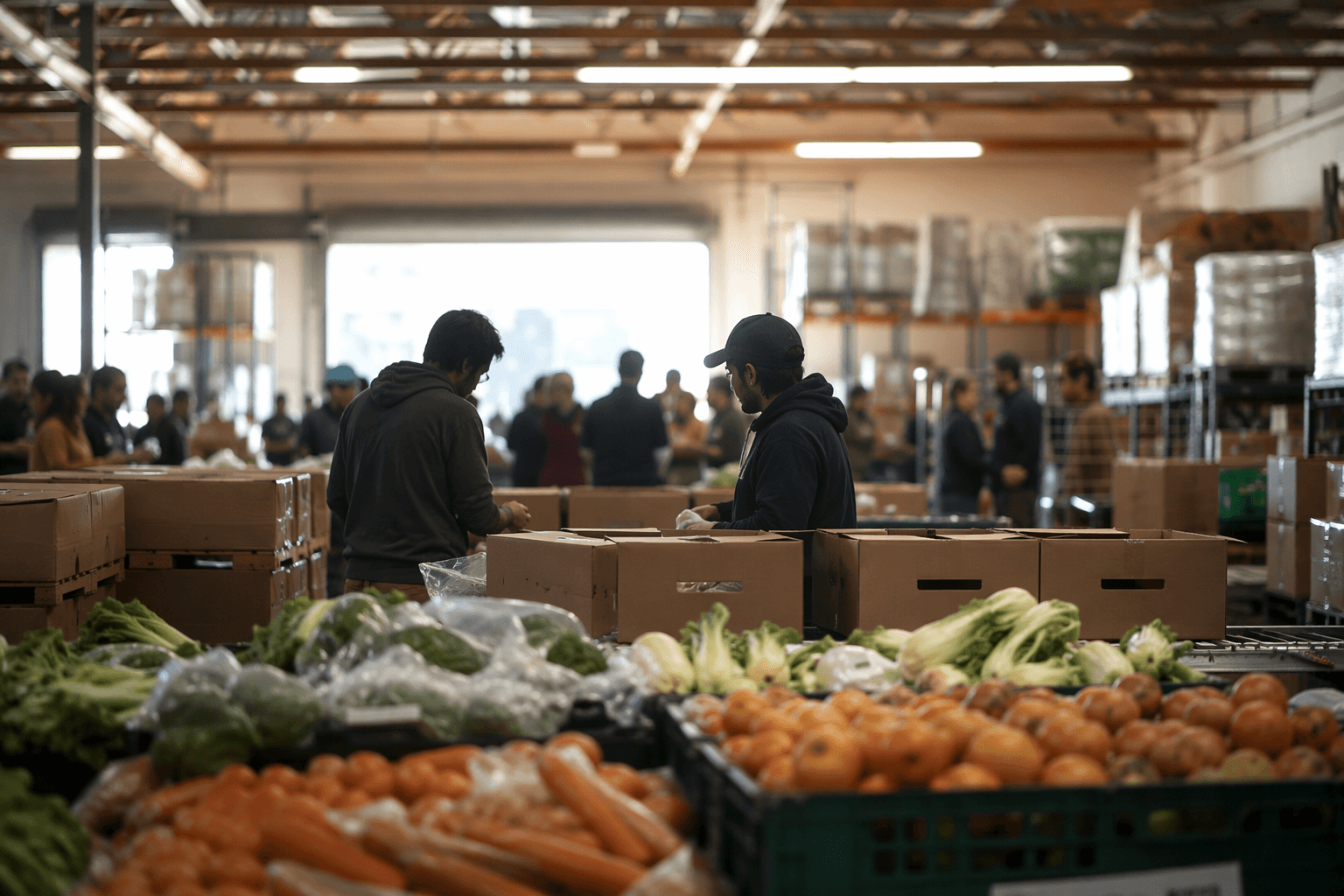
At San Francisco-Marin Food Bank, volunteers wear close-toed shoes and layers and bring a hat or sunscreen plus a facial covering. That is a good baseline for A Simple Gesture shifts too, because even if your role is simple sorting or box packing, the day can still involve cold storage, loading areas, or outdoor movement.
The physical work is usually not complicated, but it is real. Volunteers at food banks commonly sort donations, pack boxes, stock shelves, and help with distributions, so the safe assumption is that you will lift, carry, stand, bend, and repeat the same motion more than once. The most useful thing you can do before arriving is ask whether gloves are provided, whether food-handling rules apply, and how much lifting the site expects from a first-time volunteer.
The mistakes that trip up first-timers
The biggest problem for new volunteers is usually uncertainty, not lack of goodwill. Food Bank of Iowa requires volunteers to sign up through an online calendar; walk-ins are not accepted. Oregon Food Bank requires people to register in advance because staff plan projects and assign workers based on the number of volunteers scheduled. The lesson for an A Simple Gesture outing is simple: do not assume there will be room to improvise, and do not expect the site to have spare staff time to fix a last-minute headcount problem.
A second common mistake is arriving without understanding the workflow. At San Francisco-Marin Food Bank, volunteers check in with staff, receive an assigned role, and stay for the agreed shift time. If your team is coming from a corporate volunteer day, church group, school, or retirement community, the best way to prevent confusion is to tell everyone in advance that the shift is guided work, not self-directed browsing.
What managers should send before the team arrives
A Simple Gesture already depends on a broad mix of ages and experience levels, so managers and team leads should think in terms of a first-day checklist: where to park, where to check in, who the staff contact is, what the assigned role will be, and how long the shift runs. It helps to be explicit about lifting, food handling, and whether volunteers need to bring their own gloves or facial coverings.

A simple prep note can keep the group from stalling at the door:
- Confirm the arrival time and exact check-in point
- Explain whether the site is a pantry, warehouse, or sorting space
- Tell people what to wear, especially close-toed shoes and layers
- Share any rules on gloves, food safety, and lifting limits
- Name one staff member or captain who can answer questions
- Remind everyone to stay through the end of the agreed shift
Why repeat participation depends on a good first day
A Simple Gesture’s own scale shows why that first shift can have outsized value. In Anacortes, the chapter had 650 donors and 100 volunteers in 2022, and a later public page listed more than 700 donors and over 86,000 pounds of food and household products collected. In Guilford County, a posted update listed a $50,000 grant supporting the Green Bag Recovery, Food Recovery, and SHARE programs.
Volunteers can gain safe-food-handling experience, work experience, a job reference, and a better understanding of hunger issues, and those are the kinds of concrete benefits that help people come back. Goodera treats volunteer onboarding as a scale problem, not just a courtesy issue; its LinkedIn profile lists 500+ customers and 65 Fortune 500 companies, while the Association of Corporate Citizenship Professionals lists 50,000+ nonprofit partners and 2,500+ hosts across 100+ countries.
This article was produced by Prism’s automated news system from verified source data, official records, and press releases, then run through automated quality and moderation checks before publishing. The system is built and supervised by the people who set the standards it runs under. Read our full AI policy.
Did this article answer your question?