Midwest Food Bank Georgia launches 15-year debt-free campaign
Midwest Food Bank Georgia launched a debt-free campaign to retire $360,000 in facility debt while serving 268-plus partners and moving more than $38 million in food in 2025.
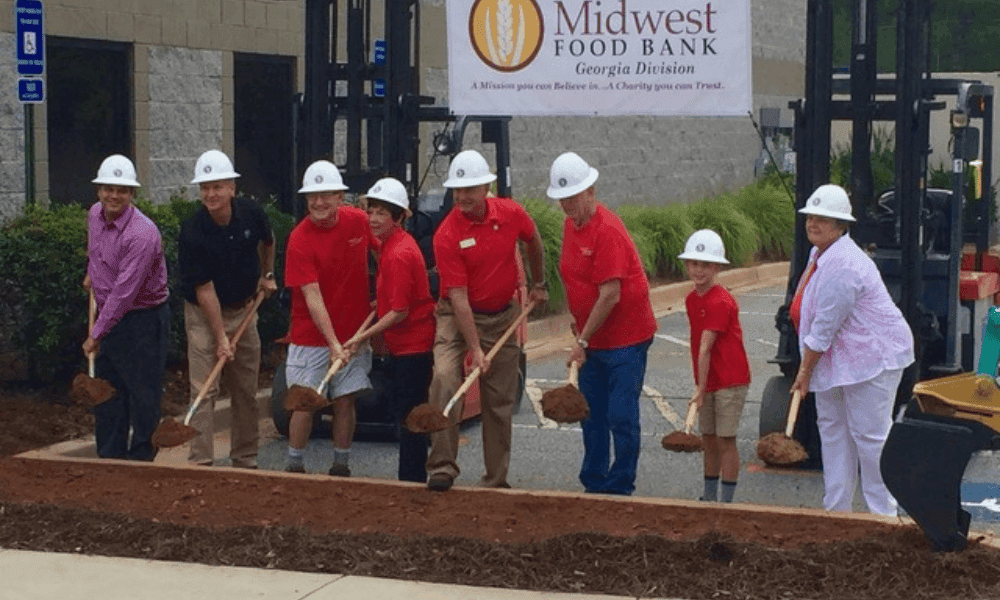
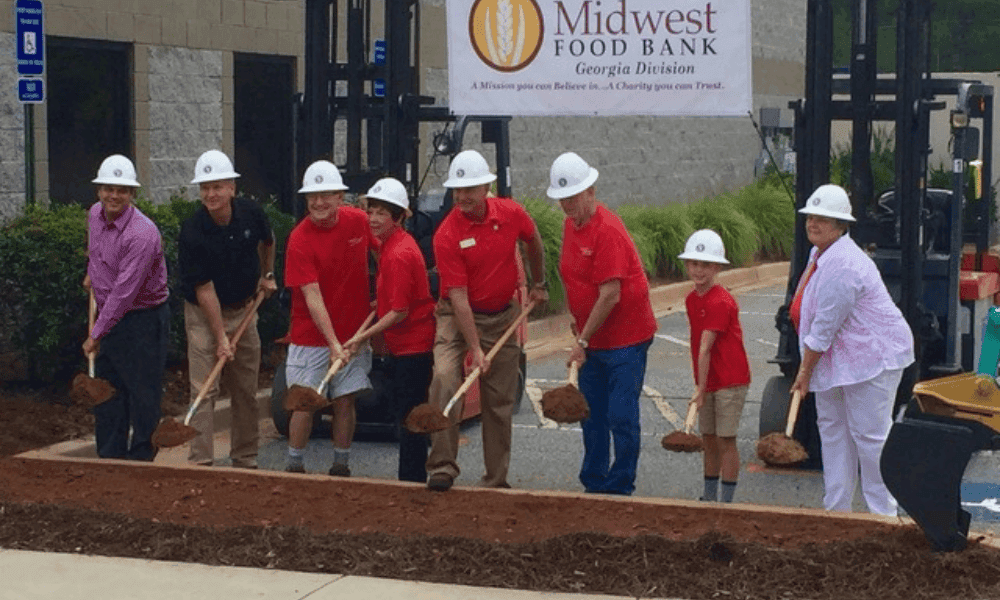
Midwest Food Bank Georgia launched a 15-year debt-free campaign to retire its remaining $360,000 in facility debt. The Peachtree City nonprofit is framing the effort as a way to keep future growth from being weighed down by borrowing, a point that matters to food recovery groups that depend on steady warehouse, truck, refrigeration and volunteer systems.
The scale behind the campaign is already substantial. Since 2011, the Georgia operation has grown to support more than 268 nonprofit partners, and it distributed more than $38 million worth of food in 2025 alone. That level of throughput gives pantry partners a more reliable supply line, but it also puts pressure on the back-end logistics that keep donated food moving without interruption.

The organization’s facility history helps explain why debt remains part of the picture. A 2017 expansion added a 5,000-square-foot building with two loading docks and a 3,600-square-foot storage warehouse called The Barn, a footprint built for higher-volume intake and staging. For a food bank, that kind of capital investment is not just real estate; it is the infrastructure that determines whether donated product can be received, sorted and sent back out on time.
For A Simple Gesture volunteers, coordinators and staff, the campaign is a reminder that food recovery is as much a finance and facilities business as it is a volunteer one. Green bag pickup routes, pantry partnerships and seasonal donation swings all depend on organizations that can absorb maintenance costs, plan for storage and keep mission dollars focused on distribution instead of debt service. Midwest Food Bank Georgia’s push to go debt-free shows how a hunger-relief nonprofit can try to scale without locking future programming into long-term financial strain.
This article was produced by Prism’s automated news system from verified source data, official records, and press releases, then run through automated quality and moderation checks before publishing. The system is built and supervised by the people who set the standards it runs under. Read our full AI policy.
Did this article answer your question?