New California data shows deeper food need, boosting donation demand
Sixteen million Californians now fall below the cost of basic needs, a warning sign that could strain pantry demand and force A Simple Gesture to widen its pickup network.
Sixteen million Californians are living below the cost of basic needs, and the scale of that strain is showing up far beyond a single hunger tally. California Association of Food Banks said the 2025 data point to a state where 1 in 4 adults experienced food insecurity and 1 in 3 adults living with children did as well, while 1 in 5 adults said their households received free food from the charitable food system.
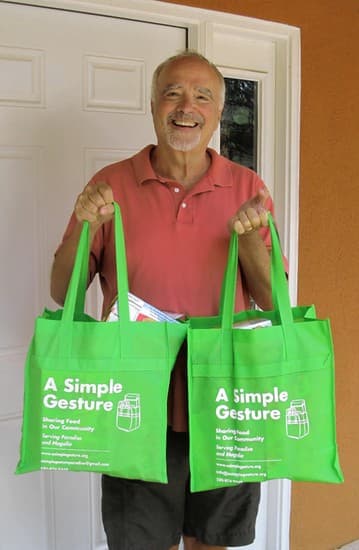
For A Simple Gesture, that is not an abstract policy marker. It is a signal that door-to-door recovery, pantry partnerships and route planning have to keep pace with a demand base that can swell quickly when rents, groceries, wages or benefits shift. The organization’s green bag model depends on a reliable chain of volunteers, coordinators and partner pantries, and the new California numbers underline why food recovery groups cannot plan around a flat level of need.

The pressure is also showing up in workplaces across California, where more households are trying to stretch paychecks that do not cover essentials. That is the kind of burden managers and HR teams tend to see in missed shifts, distracted employees and higher turnover among frontline and lower-wage staff. When a worker is choosing between groceries and other bills, the effect lands at the job site as much as at the kitchen table. For nonprofits like A Simple Gesture, that reality can sharpen both the urgency of donor outreach and the need to keep volunteer routes full.
California food bankers said they worked with Urban Institute to get state-specific data from the Well-Being and Basic Needs Survey because the federal annual household food security study was canceled, leaving no official federal data beyond 2024. The California Association of Food Banks said the point of the new baseline is to better anticipate where demand will be highest, especially as federal changes tied to H.R.1, the One Big Beautiful Bill Act, are expected to tighten SNAP eligibility and other supports. Stacia Hill Levenfeld said the goal is a clearer, more current picture of need at both the state and county level.
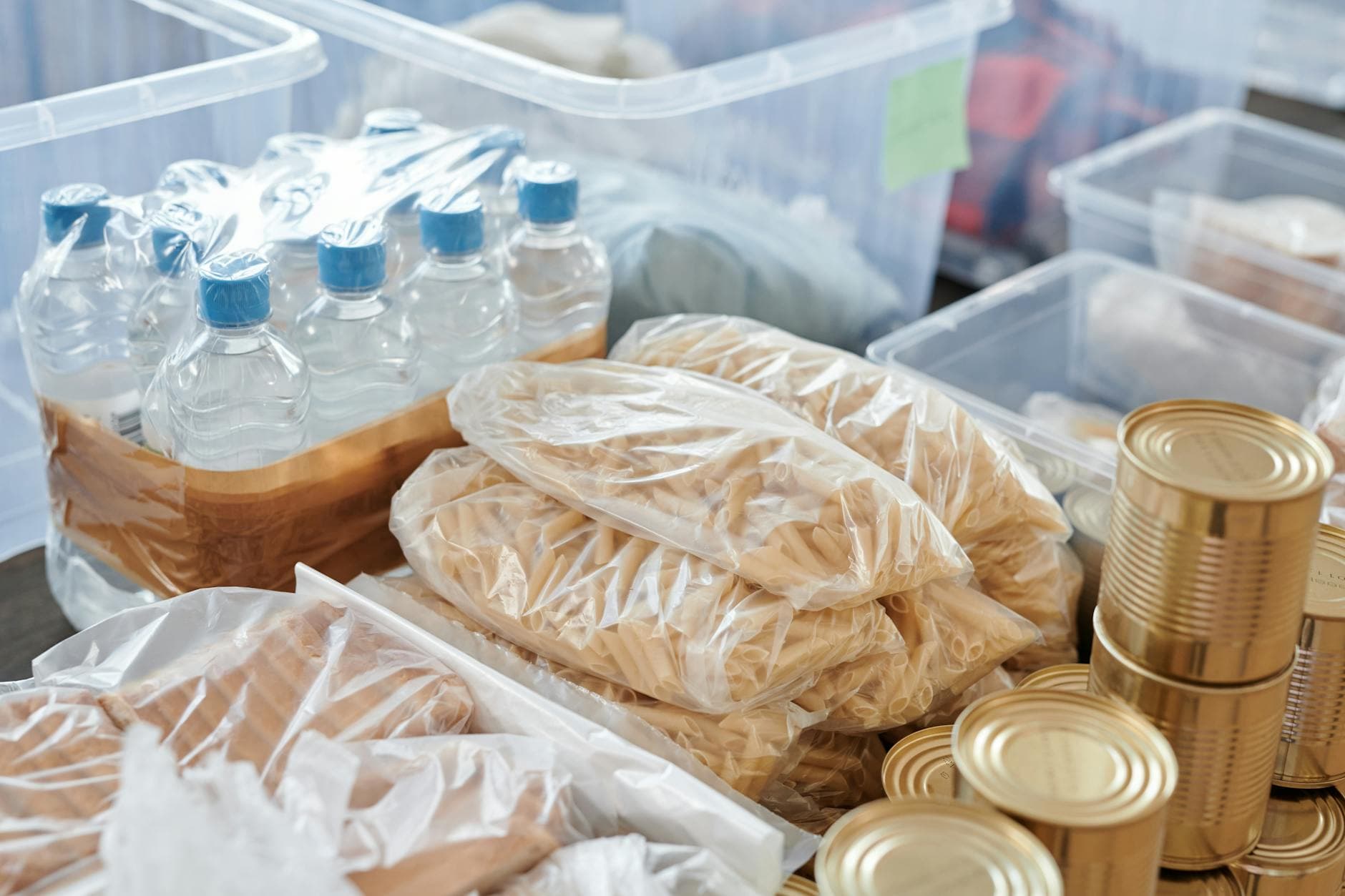
The broader network behind that demand is already large. California produces nearly half the nation’s fruits and vegetables, yet the state association says more than 1 in 5 Californians, about 8.8 million people, struggle with food insecurity. Its network includes 43 food banks and nearly 6,000 partner agencies serving millions each month. A Simple Gesture fits into that same recovery system. It began in Paradise, California, a town of about 35,000 people and 14,000 households, and now says it works with more than 1,700 food donors and volunteer drivers who collect over 132,000 pounds of food each year, a model that depends on steady community participation when need keeps climbing.
Know something we missed? Have a correction or additional information?
Submit a Tip