Nonprofits rely on volunteers, balance legal risk, recognition, and training
A Simple Gesture shows why volunteers need the same discipline as staff: clear roles, safety rules, and recognition keep food recovery moving.
Volunteers are the operating system
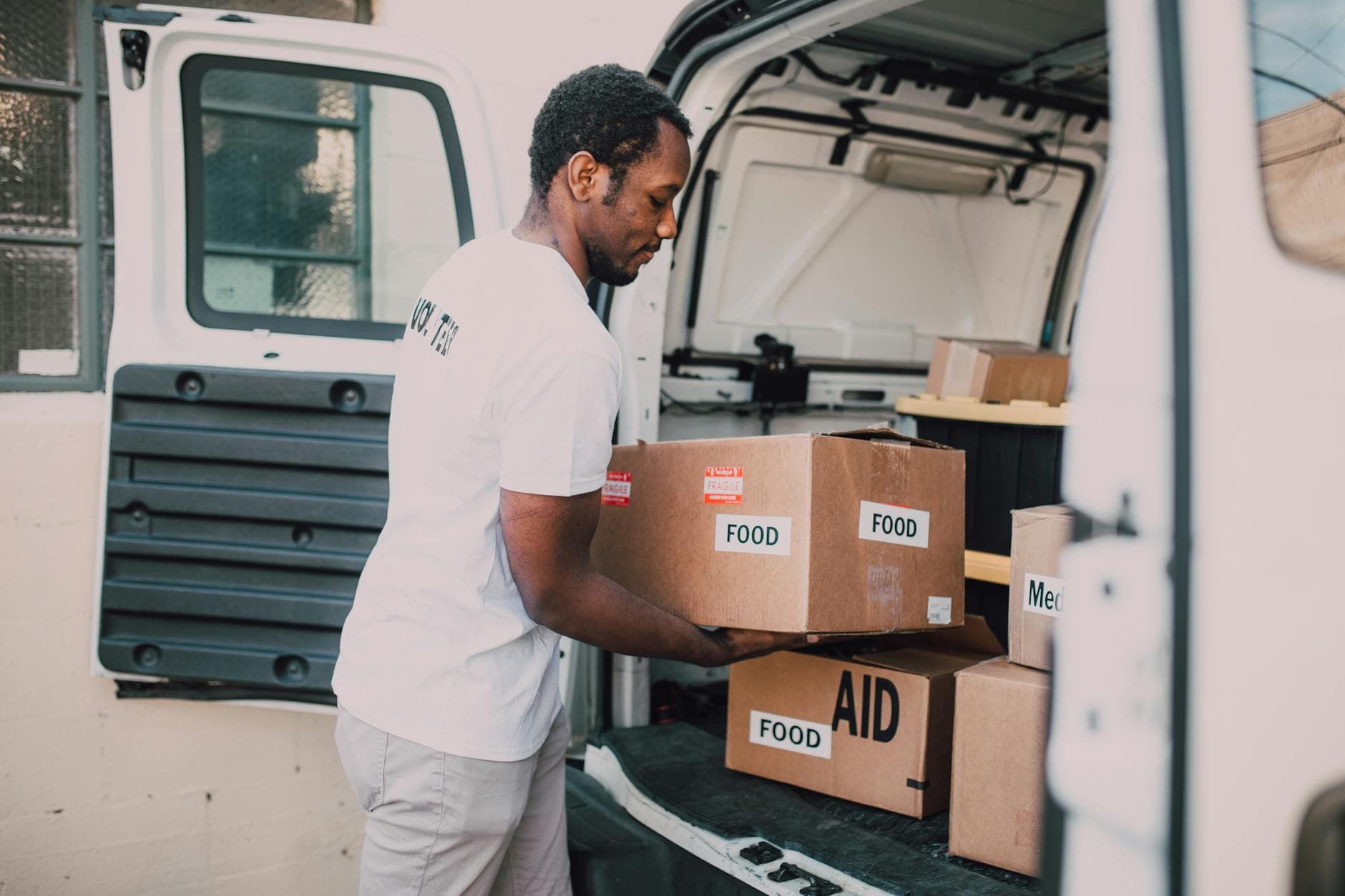
At A Simple Gesture, volunteers are not a nice extra. They are the labor force that keeps green bags moving from front porches to food pantries, and once that happens at scale, the work starts to look like operations management, not goodwill. The National Council of Nonprofits is blunt about the broader sector reality: many charitable nonprofits could not run programs, raise funds, or serve clients without volunteers, and some are run entirely by volunteers. That is exactly why volunteer management has to be treated like a core function, with recruitment, training, supervision, scheduling, and risk controls built in.
A Simple Gesture’s own growth makes the point. The organization says Jonathan Trivers started the model in Paradise, California, after seeing that food was available but there was no easy way to get it to people who needed it. Today, the Paradise operation has more than 1,700 food donors and volunteer drivers who collect over 132,000 pounds of food each year. In Guilford County, the nonprofit has operated since 2015, with programs that include Green Bag food donations, Food Recovery, and SHARE school work. Once a volunteer model reaches that kind of reach, coordination failures stop being minor annoyances and start becoming missed pickups, broken donor habits, and food that never reaches partner nonprofits.
What breaks when volunteers are treated like casual helpers
The National Council of Nonprofits warns against one of the most common mistakes: offering compensation or even small in-kind benefits in ways that can blur the legal line between volunteer and employee. For a nonprofit that relies on drivers, sorters, and route helpers, that is not a theoretical issue. A gift card, stipend, or informal perk can create legal risk if it starts looking like pay, especially when volunteer roles are scheduled and repeated like shifts.
That legal caution sits alongside another operational reality: volunteers are not covered by workers’ compensation in many states, which is why some nonprofits buy volunteer accident insurance. For a food recovery group, that matters because the work includes lifting boxes, driving personal cars, and handling pickups in the community. If an organization does not think through insurance, injury protocols, and basic safety rules, the volunteer system can become fragile very quickly.
The National Council of Nonprofits also notes that volunteers expect respect, training, supervision, feedback, and rewarding experiences. That is not a feel-good add-on. It is the retention strategy. If volunteers show up once, feel unprepared, and never hear back, the route network becomes dependent on constant replacement, which is far more expensive than keeping good people in place.
Why the recruiting pool matters now
The good news is that volunteerism is recovering. AmeriCorps says more than 28 percent of Americans volunteered through an organization between September 2022 and September 2023, up five percentage points from the historic low in 2021. That is a meaningful rebound, but it still sits in the shadow of pandemic-era disruption, which hit nonprofit recruitment hard and pushed many groups to rethink how they find and keep helpers.
For A Simple Gesture, that means the pipeline cannot depend on one familiar type of volunteer. The National Council of Nonprofits notes that many organizations adapted by engaging volunteers virtually and by recruiting younger volunteers. AmeriCorps’ Volunteer Generation Fund reinforces the same lesson from the funding side: good volunteer engagement is not accidental, and recruitment works better when organizations invest in the systems that make retention possible.
A Simple Gesture’s own model suggests what that looks like in practice. A bag driver may start by collecting donations on a route, then become a recurring volunteer, then later become a donor advocate or event helper. That progression does not happen on its own. It happens when the organization makes the next role visible, keeps expectations clear, and gives volunteers a reason to stay connected after their first pickup.
The food recovery roles need operational clarity
Food recovery is especially unforgiving of fuzzy roles because the work touches people, property, and timing. A Simple Gesture says its Food Recovery volunteers must be at least 18, be able to lift 20-pound boxes, use a smartphone, and use a clean personal car for pickups and deliveries. Those requirements tell you the role is not symbolic. It involves mobility, basic tech fluency, physical capacity, and the judgment to move donations safely and reliably.
That is why route coordination matters as much as recruiting. Green bag pickup only works if volunteers know where to go, when to go, what they can carry, and how to report issues quickly. If a route is underfilled, if a driver is unsure how to log a pickup, or if the food is left too long, the entire chain weakens. In a nonprofit that rescues edible food from businesses and delivers it to local nonprofits, every broken handoff reduces community reach.
The same logic extends to the SHARE school program and other local partnerships. Once a nonprofit is serving households, schools, and partner pantries at the same time, volunteer work has to be scheduled around the needs of each channel. That is where simple tools, clear instructions, and consistent supervision prevent the kind of confusion that can make a busy program feel chaotic even when the mission is strong.
Recognition is part of retention, not decoration
One of the most practical parts of the National Council of Nonprofits guidance is its reminder that volunteers are often among the most loyal donors and may later be prospects for gifts or bequests. For A Simple Gesture, that means the volunteer relationship can evolve into a much deeper one if the organization handles it well. A person who starts by driving a route or sorting donations may later support the mission financially, advocate for it publicly, or step into a leadership role.
That makes recognition more than a thank-you email. It means acknowledging time, making volunteers feel seen, and showing them that the work is organized enough to respect their effort. It also means being careful that recognition does not drift into compensation. The best programs find that balance: appreciative enough to retain people, structured enough to stay on the right side of the law.
For executives and volunteer coordinators, the practical lesson is simple. If a nonprofit depends on volunteers, then volunteer management belongs in the same category as payroll at a staff-heavy organization: planned, monitored, and revised when it stops working. A Simple Gesture’s growth from Paradise to Guilford County shows what is possible when that system holds. The larger lesson is that food recovery only scales when the people doing the lifting, driving, and scheduling are managed like the essential workforce they are.
This article was produced by Prism’s automated news system from verified source data, official records, and press releases, then run through automated quality and moderation checks before publishing. The system is built and supervised by the people who set the standards it runs under. Read our full AI policy.
Did this article answer your question?