OSHA warns food recovery teams about dangerous early heat exposure
OSHA says the most dangerous heat exposure in food recovery often hits at the start of a shift, when new or returning volunteers load bags, sort donations, and ride in hot trucks.
The first hot shift is the one to fear
The biggest danger for food recovery crews is not just summer weather. It is the first few hours on a route, in a warehouse, or inside a delivery truck when volunteers and staff have not yet adjusted to the heat. OSHA says almost half of heat-related deaths happen on a worker’s first day on the job or first day back after an extended absence, and more than 70 percent occur during the first week.
That matters for A Simple Gesture because the work is physical from the start: lifting green bags from porches, loading them into vehicles, sorting donated food, and moving boxes through storage spaces that can trap heat. A seasoned route team may recognize the signs of strain, but a new volunteer, a seasonal helper, or a staffer returning after time away may not yet have the body temperature control, pace, or judgment needed to stay safe.
Why food recovery fits OSHA’s heat warning
OSHA says millions of U.S. workers are exposed to heat in their workplaces, and that heat illness is preventable even though thousands of workers get sick each year and some cases are fatal. The agency’s heat campaign, launched in 2011, centers on three words: Water. Rest. Shade. That message is simple because the fix has to work in real life, not just in policy binders.
Food recovery operations sit squarely in the risk zone OSHA describes. Hazardous heat exposure can happen indoors or outdoors, and not just in obvious summer settings. OSHA specifically points to warehousing, kitchens, and bakeries as indoor workplaces where heat hazards can build, which lines up closely with a nonprofit that sorts food, stages donations, and moves volunteers through pickup and delivery loops. In other words, this is not a weather alert. It is a workflow problem that supervisors have to manage every time the temperature rises.
What managers need to change before the next hot day
A Simple Gesture teams can reduce risk with small operational changes that match the work already being done. The first step is to plan around the hottest parts of the day, not around convenience. Heavy lifting should happen earlier when possible, route timing should avoid the most punishing afternoon conditions, and shaded or cooled staging areas should be built into the handoff between pickups, sorting, and loading.
Water breaks need to be routine, not optional. That means drinks available at the worksite, clear permission to pause, and supervisors who treat hydration as part of the schedule rather than a personal preference. OSHA also says employers should assign someone at the worksite to monitor conditions and implement the heat plan throughout the day, which is especially important for volunteer-driven operations where no one wants to assume someone else is watching the room.
A practical checklist for food recovery teams looks like this:
- Put water within reach at every pickup, sorting area, and loading point.
- Build rest breaks into route plans, especially for heavier lifting or back-to-back stops.
- Use shade or cooled indoor staging areas when volunteers come back from porch pickups or truck unloading.
- Move the most physically demanding work earlier in the day whenever possible.
- Check on new volunteers, returning staff, and anyone who has been away from active work.
- Make sure one supervisor is responsible for monitoring heat conditions and carrying out the heat plan.
- Train route leaders to spot early symptoms before they turn into emergencies.
That checklist is not extra administration. It is the difference between a manageable hot day and a preventable medical event.
The symptoms supervisors cannot miss
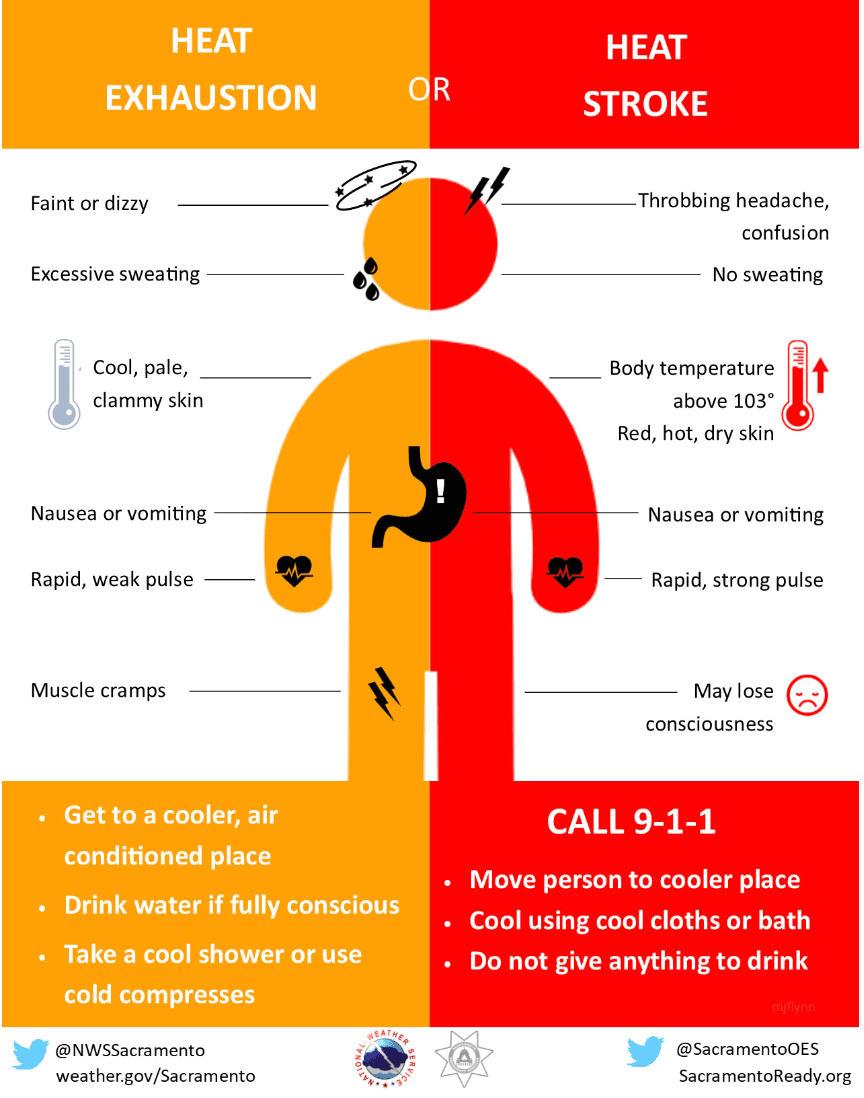
OSHA’s worker guidance is blunt about the warning signs. Abnormal thinking or behavior, slurred speech, seizures, or loss of consciousness are medical emergencies. If those show up, the response is immediate: call 911, cool the worker with water or ice, and do not leave them alone while help is on the way.
For a nonprofit setting, that means the person coordinating pickups or sorting at the warehouse needs more than goodwill. They need enough training to recognize when someone is confused, stumbling, or saying things that do not make sense. Heat illness can look like fatigue at first, which is one reason it gets missed in fast-moving operations that prize momentum, punctuality, and keeping the route on time.
Why the first week deserves the most supervision
OSHA’s focus on acclimatization is especially relevant for a volunteer network. A Simple Gesture depends on people who may join for a few shifts, come back after a long gap, or help only during peak collection periods. Those are exactly the situations where the body has not had time to adapt to heat.
That is why the first week matters so much. OSHA says more than 70 percent of heat-related deaths happen during that window, which makes the first route, the first warehouse shift, and the first truck load of the season the moments where supervision has to be tightest. Slow pacing, shorter initial assignments, and more frequent check-ins are not signs of weakness. They are the controls that keep a new helper from becoming a safety incident.
The compliance signal is getting louder
This is also moving from best practice toward formal expectation. OSHA says BLS counted 33,890 work-related heat injuries and illnesses involving days away from work from 2011 to 2020, or an average of 3,389 per year. The agency says it has conducted more than 5,000 federal heat-related inspections since launching its campaign, and its SBREFA process shows it is pursuing a standard specific to heat-related injury and illness prevention.
For food recovery organizations, that is a clear signal that heat safety belongs in supervisor training, route planning, and volunteer onboarding. The same discipline that keeps donation pickups running smoothly also keeps people from getting hurt. In a volunteer-heavy model, safety is part of retention: people come back when the work feels organized, protected, and worth their time.
What this means for A Simple Gesture
A Simple Gesture’s green bag model depends on reliability, trust, and enough physical stamina to move food from neighborhoods to the nonprofit’s partners without burning out the people doing the lifting. OSHA’s guidance puts a sharper edge on that reality. The issue is not only whether a route gets completed. It is whether the people completing it are protected from the first hot hour to the last.
The teams that communicate clearly about water, rest, shade, acclimatization, and supervision will be the ones most able to keep volunteers safe and keep food moving. In the heat, operational discipline is worker protection, and worker protection is what keeps the whole recovery system functioning.
This article was produced by Prism’s automated news system from verified source data, official records, and press releases, then run through automated quality and moderation checks before publishing. The system is built and supervised by the people who set the standards it runs under. Read our full AI policy.
Did this article answer your question?