Right to food gains ground in U.S. hunger policy debates
A right-to-food lens is moving hunger work from charity toward accountability, and A Simple Gesture can use it to strengthen donor, volunteer, and pantry relationships.
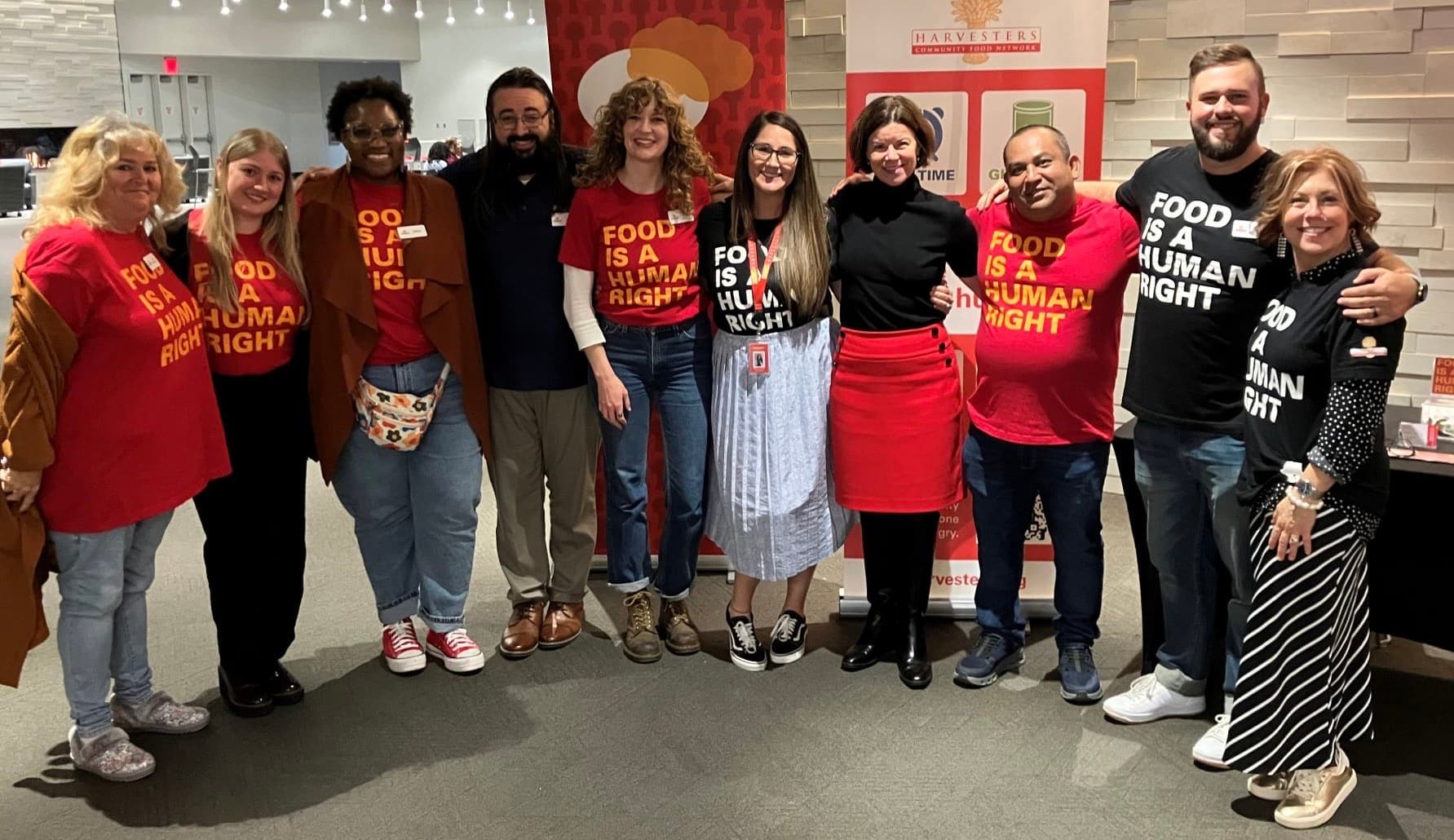
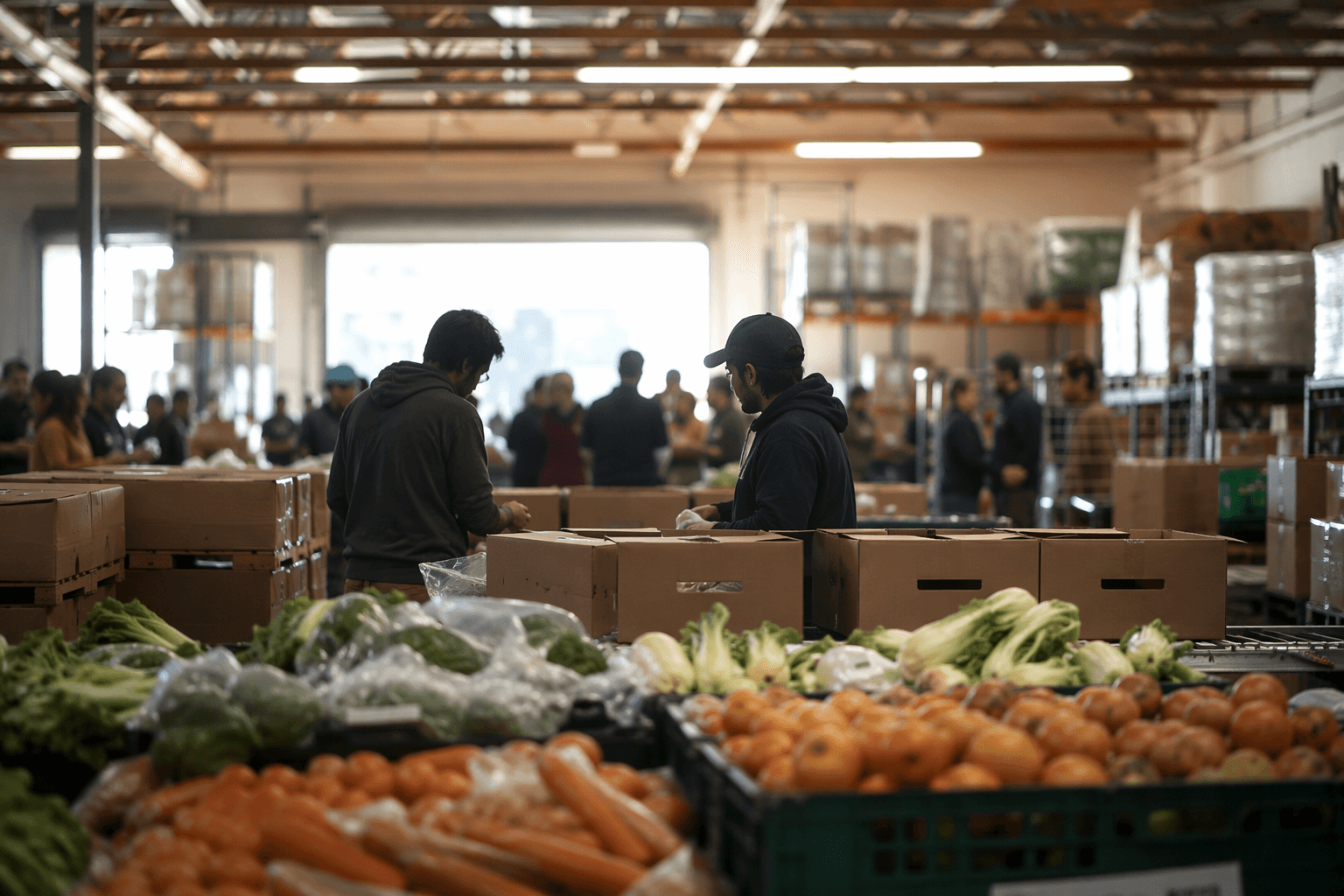
Green bag routes, pantry supplies, and volunteer schedules are where the right-to-food debate meets A Simple Gesture's daily work in Guilford County. Instead of presenting food recovery as a pleasant act of generosity alone, the newer argument treats access to food as a basic obligation that communities should be able to rely on, not a lucky break.
When the message moves from charity to rights, the organization’s story changes too: donors are asked to support dignity and access, board members are pulled closer to advocacy, and workplace partners are invited into a longer-term civic role.
The policy debate is moving beyond rhetoric
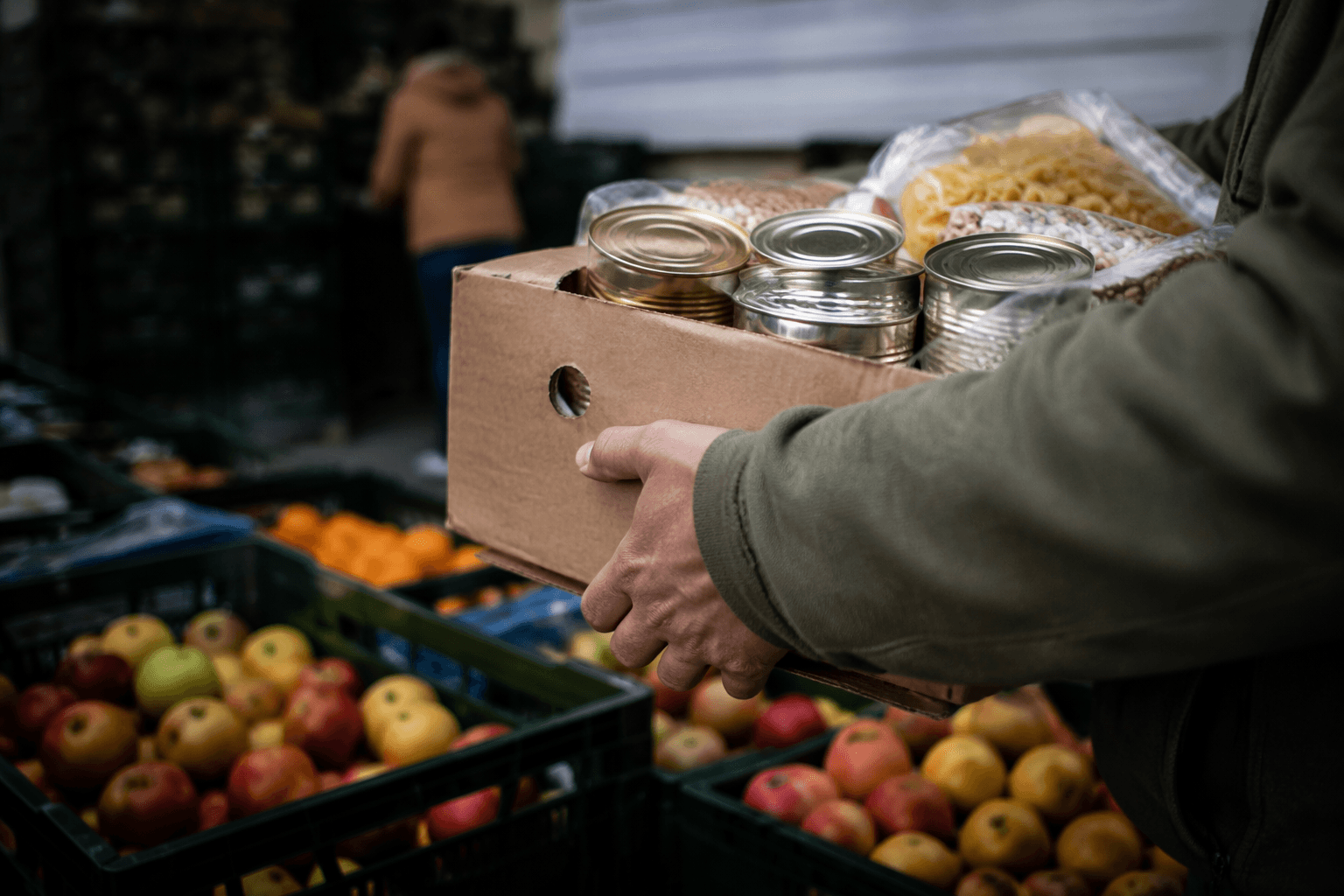
On July 21, Food Bank News analyzed how the right to food is taking shape in the United States. The clearest marker is New Jersey, where lawmakers passed a resolution in January declaring that residents have a fundamental right to adequate food. That language gives hunger policy a vocabulary that sounds less like emergency relief and more like public responsibility.
The United Nations Office of the High Commissioner for Human Rights places the right to food within the human rights framework under the special rapporteur mandate, a post linked over time with Jean Ziegler, Olivier De Schutter and Michael Fakhri.
What that means for A Simple Gesture's day-to-day work
A Simple Gesture Greensboro Inc. is tax-exempt and has been since October 2015, with nonprofit records categorizing it in food, agriculture and nutrition and free food distribution. Between 2020 and 2024, it received $569,000 across 49 grants from 19 funders, placing its work inside a network of philanthropic and community support.
Demand at local nonprofits including A Simple Gesture was up about 40% compared with the previous year in a May 12, 2026 WFMY News 2 segment. In a year like that, the difference between a donation appeal and a rights argument becomes concrete: a donor who sees the work as goodwill may give once, while a donor who sees it as civic infrastructure may commit recurring support, employee volunteers, or transportation help.
For staff, the shift also sharpens how green bag pickup is explained. The routes are not just collection logistics. They are the first link in a chain that turns doorstep generosity into pantry deliveries, and that chain only works when volunteers trust the system and pantry partners know food will arrive consistently.
How to talk to workplace donors and corporate partners
The strongest workplace messaging should tie food recovery to access, dignity and accountability, not just feel-good giving. Corporate partners often respond to tidy volunteer opportunities, but the better pitch is that their employees are supporting a local system that helps stabilize access to nutritious food in Greensboro and across Guilford County.
Second Harvest Food Bank of Orange County's 2026 policy agenda seeks to promote "dignified, equitable, and consistent access to nutritious food." The Food Bank of the Southern Tier used the slogan "Nothing About Us Without Us" in its 2026 advocacy post on SNAP and food access work. Maryland Food Bank also released a 2026 legislative agenda.
For A Simple Gesture, that means donor conversations can move beyond the language of surplus and generosity. Workplace partners can be told plainly that food waste reduction is useful, but it is not a substitute for access. Doorstep collection, pantry delivery, and local advocacy all matter.
What volunteer coordinators can do with the new framing
Volunteer recruitment and retention often improve when people understand the deeper point of the work. Many neighbors want their service to connect to something larger than a Saturday chore, and a right-to-food lens gives coordinators a cleaner explanation of why route coverage and pantry partnerships matter. The message is not that volunteers are rescuing people from hardship; it is that they are helping sustain a local access network that should exist for everyone.
- Explain that every green bag supports a system built around reliable access, not just one-off generosity.
- Show volunteers how route coverage affects pantry deliveries and community reach.
- Connect service days to local policy discussions so volunteers see how relief and advocacy fit together.
- Emphasize that dignity matters in how food is collected, sorted and delivered.
A Simple Gesture can use that framing in practical ways:
That approach also helps staff avoid the common trap of talking about hunger only as an emergency. Immediate distribution still matters. People still need bags collected, routes covered and pantry deliveries completed.
Why the advocacy piece is no longer optional
The New Jersey Office of the Food Security Advocate has a policy page and a broader strategic plan for food security. That kind of infrastructure gives local nonprofits more room to think about coalitions, local officials and policy change, not just daily distribution. It also makes it easier to explain why food recovery groups should be part of discussions about food waste, public benefits and community access.
This article was produced by Prism’s automated news system from verified source data, official records, and press releases, then run through automated quality and moderation checks before publishing. The system is built and supervised by the people who set the standards it runs under. Read our full AI policy.
Did this article answer your question?