SNAP guide shows food banks help families access benefits
SNAP sits in the same hunger safety net as food recovery, and volunteers can help neighbors find the right local application path without giving legal advice.
At a pickup route or pantry event, A Simple Gesture volunteers field SNAP questions alongside green bags and pantry shelves. The program gives households monthly funds to buy groceries, and it is the largest anti-hunger program in America. Their job is not to decide eligibility. It is to know how to direct people to the local food bank or SNAP office that can help.
Why SNAP matters to food recovery work
SNAP is not a niche program tucked away from the rest of the hunger system. It is a federal nutrition assistance program administered through state agencies, with eligibility generally based on household income and other household factors. That structure is why food banks, pantry partners, and neighborhood food rescue groups keep running into SNAP in everyday conversations: the program shapes how many households can stretch a grocery budget before they need donated food.
USAFacts puts average monthly SNAP participation in fiscal year 2025 at 42.1 million people, equal to 12.3% of the U.S. population. Feeding America puts 2022 participation at more than 41 million people. For a volunteer-driven organization like A Simple Gesture, those numbers explain why SNAP questions show up at the same time as route scheduling, pantry restocks, and donor outreach.
What frontline staff should know before they answer a SNAP question
The most useful thing staff can offer is limited, accurate guidance. Volunteers do not need to become benefits specialists, but they should be able to explain that SNAP provides monthly grocery funds and that local food banks or SNAP offices can help people find out whether they are eligible and fill out an application. That kind of referral protects neighbors from bad information and keeps staff from guessing about rules that vary by state.
A safe, practical response usually covers four points:
- SNAP helps people buy groceries each month.
- Eligibility is generally based on household income and other factors.
- State agencies handle the application process.
- A local food bank or SNAP office can help with eligibility questions and paperwork.
That framing matters in a food recovery setting because many people asking about SNAP are already juggling rent, work hours, childcare, and tight food budgets. If a volunteer treats the question like a quiz, the conversation can shut down fast. If the volunteer treats it like a referral, the person is more likely to get to the right place.
It also helps to avoid promising answers you cannot verify on the spot. SNAP rules can differ from state to state, and benefit amounts depend on household circumstances. The most accurate move is usually to connect the person to a state application portal, local SNAP office, or a food pantry partner that already helps households navigate the process.
How applications usually move, state by state
The broad outline is simple, but the details vary. In New York, applicants should be prepared to provide basic information when they apply. In North Carolina, households applying for Food and Nutrition Services, its SNAP program, submit an application and complete an interview. Those examples show the part volunteers should expect to hear about most often: documents, forms, and follow-up contact with a state agency.
For A Simple Gesture staff, that means a question about SNAP should trigger a referral, not a long conversation about rules. If someone asks what to bring, it is reasonable to say that states typically want basic household information and may ask for an interview. If they ask whether they qualify, the answer is that eligibility depends on income and other household factors, and the state agency or local food bank is the right place to confirm details.
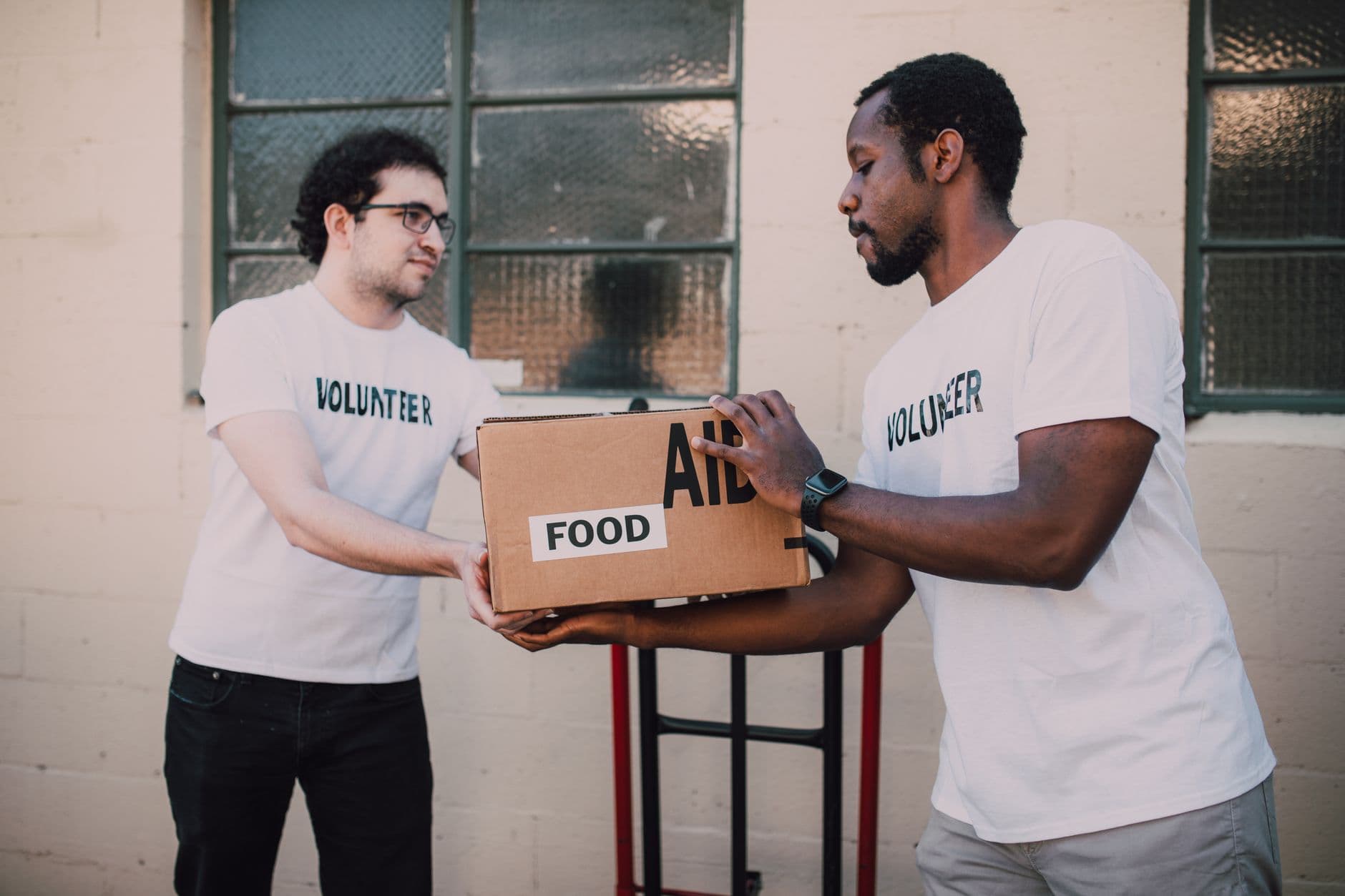
A simple workflow helps keep the guidance consistent: 1. Listen for the immediate need, whether that is food for the week or help applying. 2. Share the basic SNAP fact, that it is monthly grocery assistance run through state agencies. 3. Refer the person to the local food bank, SNAP office, or state application system. 4. If the person still needs food right away, connect them to pantry or recovery partners.
What SNAP means for routes, pantry partnerships, and volunteer retention
SNAP changes do not stay on paper. When benefits increase, tighten, or get delayed, food banks and pantry partners feel the ripple effects in donation volumes, pantry requests, and volunteer workload. If more households can stabilize their benefits, pantry partners may see less pressure at the margin. If benefits are interrupted or stretched too thin, the burden shifts back onto the same local networks that A Simple Gesture helps support.
For coordinators, that connection can be useful in two directions. It helps explain to pantry partners why SNAP questions matter during intake, and it helps explain to volunteers why their route work has a broader purpose than filling a shed with bags. The message is not that donated food replaces public benefits. It is that donated food fills the gap when monthly SNAP support does not get a household all the way to the end of the month.
That distinction also helps with recruitment and retention. Volunteers are more likely to stay engaged when they understand how the work fits into a larger system, and they are more comfortable talking with neighbors when they know where the boundaries are.
A program built to supplement, not replace, the food budget
SNAP traces back to the Food Stamp Act of 1964, signed by President Lyndon B. Johnson on August 31, 1964, as part of the War on Poverty.
This article was produced by Prism’s automated news system from verified source data, official records, and press releases, then run through automated quality and moderation checks before publishing. The system is built and supervised by the people who set the standards it runs under. Read our full AI policy.
Did this article answer your question?