ADP June report shows slower hiring, retail workers may feel the strain
ADP said June hiring slowed to 98,000 jobs, with freight-linked trade jobs up but leisure, hospitality and other hourly sectors still soft.

Private employers added 98,000 jobs in June, a slower pace than May’s 122,000, and the gains were uneven enough to matter for hourly workers at Big Lots. ADP said financial activities and information were among the month’s gainers, trade, transportation and utilities added 15,000 jobs, and leisure and hospitality logged a sixth straight month of weak hiring.
Annual pay rose 4.4% from a year earlier, but ADP chief economist Nela Richardson said it was taking people longer to find work. ADP’s NER Pulse estimate for the four weeks ending June 20 showed employers adding an average of 21,000 private jobs a week, a pace that points to a narrower field of openings for store associates, freight workers and supervisors competing for the same shifts.
That matters at Big Lots, where staffing has already been reshaped by bankruptcy and store closures. Big Lots filed for Chapter 11 on September 9, 2024, began going-out-of-business sales at remaining locations on December 19, 2024, and Gordon Brothers completed the purchase of the company on January 10, 2025. The transaction was designed to keep hundreds of stores operating and prevent thousands of layoffs, but court records later showed the former Big Lots entity seeking conversion to Chapter 7 liquidation in late 2025.

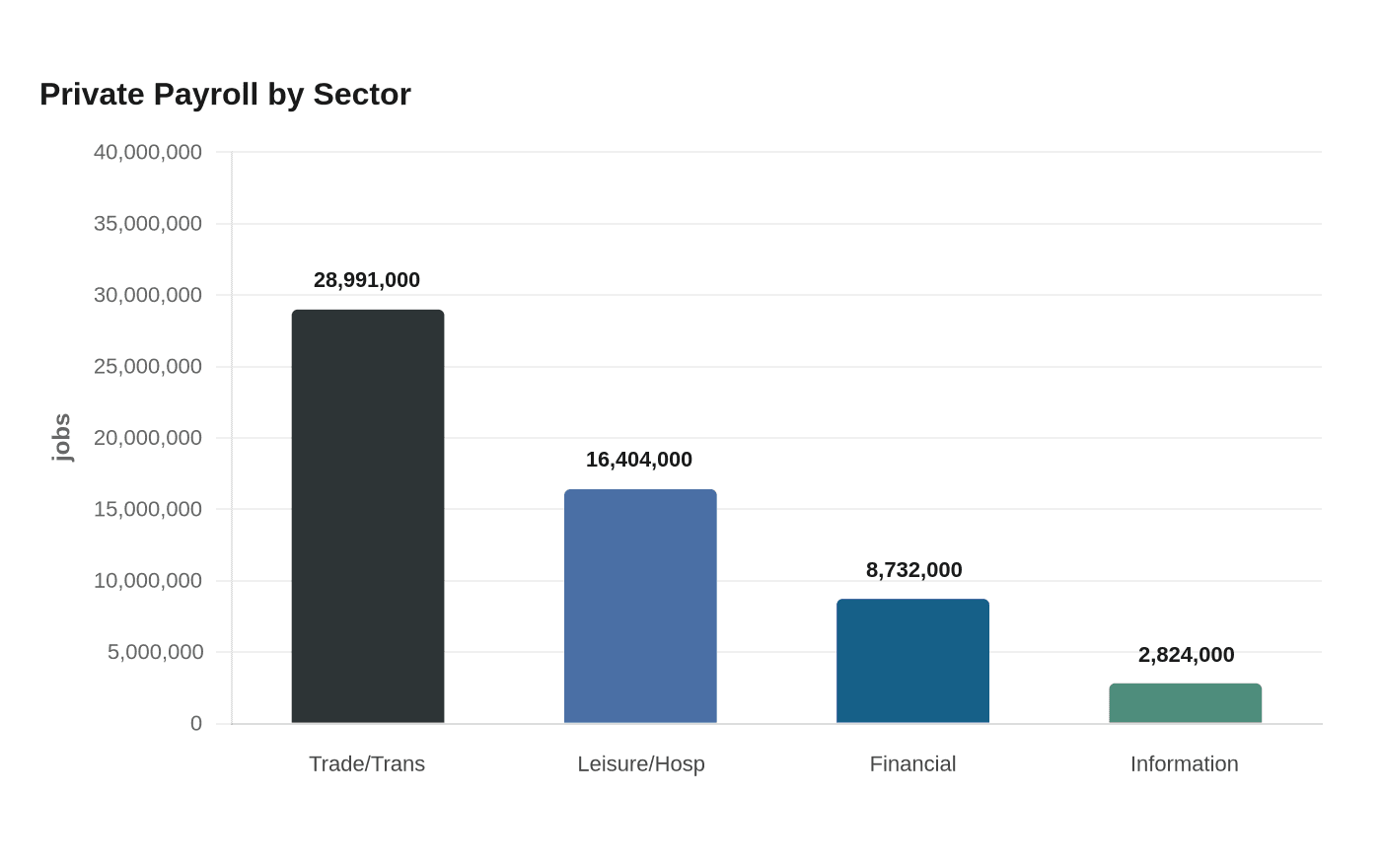
The broader payroll data show why the labor market still feels uneven on the store floor. FRED’s ADP release table put total private payroll employment at 132,722,000 in June 2026, up from 132,624,000 in May. Trade, transportation and utilities rose to 28,991,000, financial activities to 8,732,000, and information to 2,824,000, while leisure and hospitality edged up only to 16,404,000. For Big Lots workers, that split can translate into tighter scheduling, slower backfilling of vacancies and more competition for the stable hours and supervisor roles that matter when managers are trying to control labor costs and keep freight moving.
This article was produced by Prism’s automated news system from verified source data, official records, and press releases, then run through automated quality and moderation checks before publishing. The system is built and supervised by the people who set the standards it runs under. Read our full AI policy.
Did this article answer your question?