Albertsons launches AI produce inspection system in select distribution centers
Albertsons is using AI in select distribution centers to judge strawberries and grapes, aiming for more consistent quality calls and less shrink.
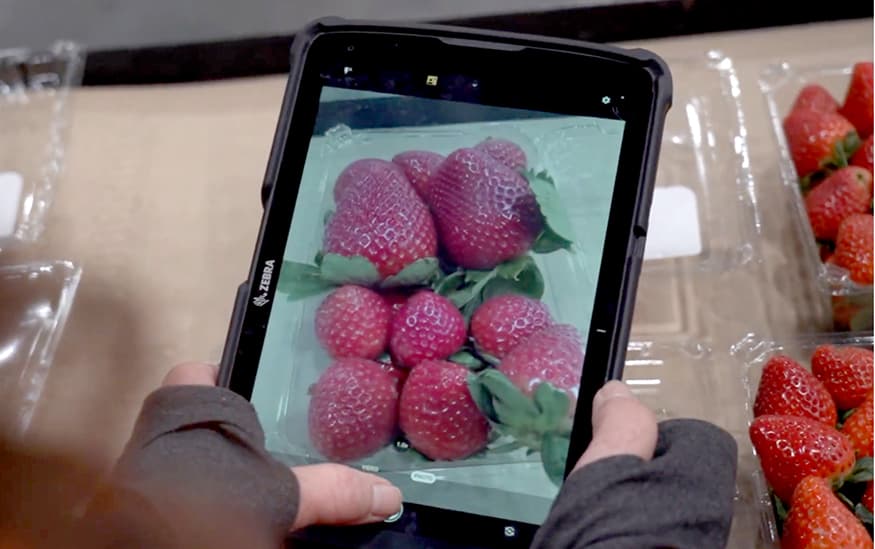
Albertsons has begun using an artificial intelligence-powered inspection system in select distribution centers to standardize how fresh produce is judged before it reaches stores. The patent-pending tool, called Intelligent Quality Control, is focused first on strawberries and red and green grapes, two categories where appearance, shelf life and speed to store can decide whether a shipment sells cleanly or becomes waste.
Albertsons said the system was announced May 13, 2026 and was built in house by its technology and supply chain teams with advisory support and infrastructure from Google Cloud. The workflow is straightforward: a quality inspector feeds an image of produce into the tool, which compares the visual characteristics with Albertsons standards and returns a rating and approval recommendation. The company said the system uses Google Cloud’s Gemini Enterprise, including Vision AI and Gemini models. Albertsons also said early results showed more consistency in ratings, less variability between inspectors and shifts, and faster decisions.
That matters well beyond groceries. McKinsey has estimated that shrink consumed 2% to 3% of a typical grocer’s revenue before the pandemic, and that it can climb to 5% to 15% in ready-to-eat and ready-to-heat categories. The consultancy has also pointed to upstream operations and inbound quality control as one of the main ways retailers can cut waste. Albertsons is trying to push that logic deeper into the distribution center, where one bad call on condition can ripple into markdowns, complaints and lost sales downstream.
For Big Lots, the lesson is less about produce than about process. Big Lots is not a supermarket, but it still handles food and pantry goods alongside home and seasonal merchandise, and the same pressure exists when workers are deciding what should be received, what should be flagged and what is too damaged to move. A tool that tightens judgment at the dock or in the back room could reduce avoidable returns, cut waste and give associates more time to handle exceptions instead of rechecking obvious problems. As these systems spread, people who understand receiving standards, condition checks and exception handling will remain central to the operation.
Albertsons has been building toward this kind of workflow for years. In 2023, it completed a rollout of Afresh predictive ordering and inventory management across more than 2,200 stores in 34 states, then expanded that chainwide into meat and seafood later that year. The company has also tied AI to its broader sustainability goals, including a plan announced in 2022 to reach net zero in its own operations by 2040 and send zero food waste to landfill by 2030. In fiscal 2024, Albertsons said it donated more than 113 million pounds of surplus food.
Big Lots’ own recent history makes the operations story harder to ignore. The company filed for Chapter 11 on September 9, 2024, after operating 1,392 stores in 48 states as of May 4, 2024. Its restructuring later converted to Chapter 7 effective November 10, 2025. Against that backdrop, Albertsons’ move is a reminder that retail survival often turns on the unglamorous work of quality control, consistency and waste reduction.
Know something we missed? Have a correction or additional information?
Submit a Tip