Big Lots leans on closeouts and opportunistic buys to stay agile
Big Lots runs on one-off buys and fast resets, so workers who can flex quickly, stock cleanly, and explain limited inventory become more valuable.
The job changes because the merchandise changes
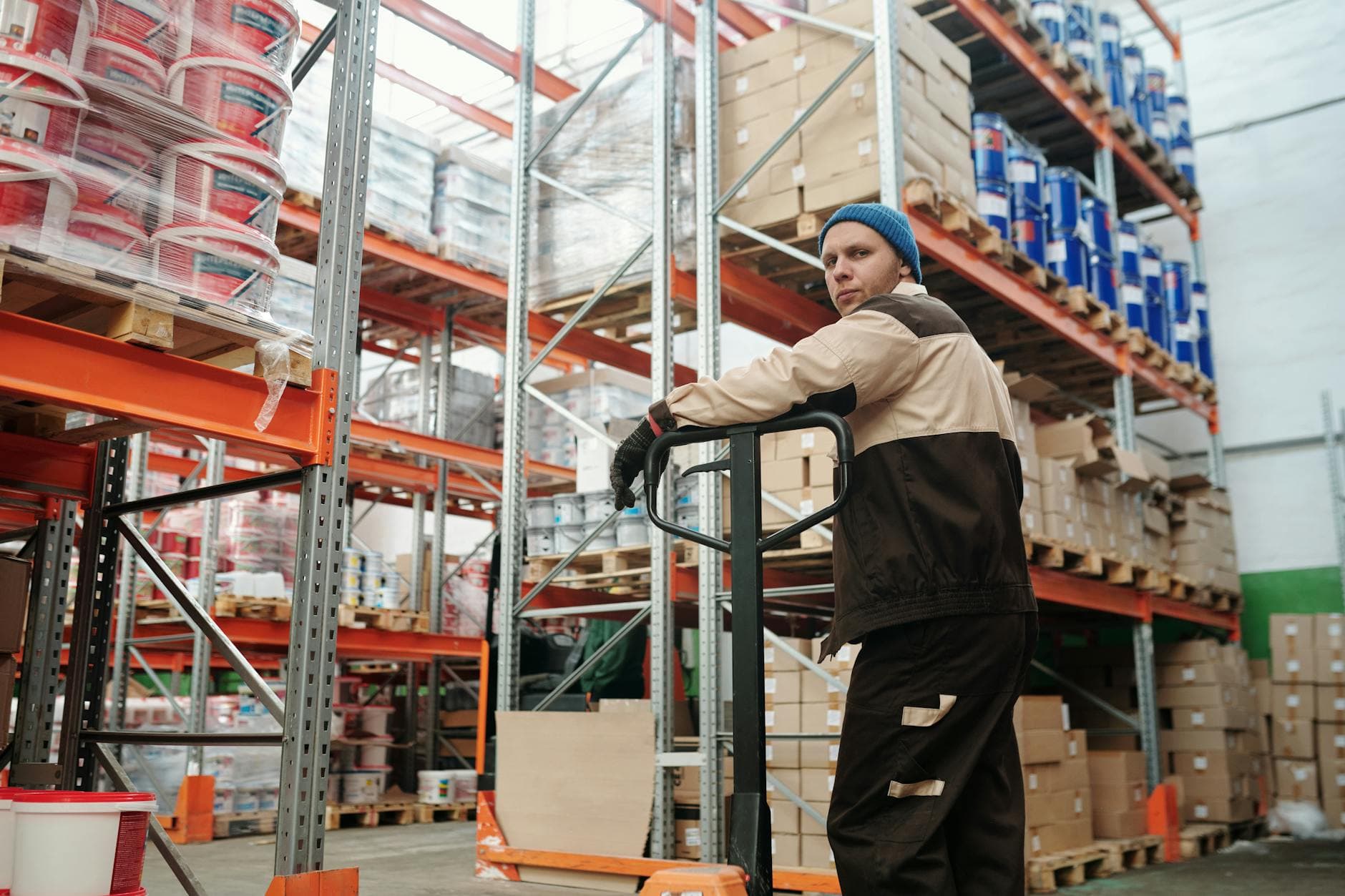
If the floor feels different every time you come back from break, that is the model working exactly as designed. Big Lots is built around closeouts, opportunistic buys, and a leaner inventory flow, which means the store is always chasing the next good deal instead of living off one long, predictable product run.
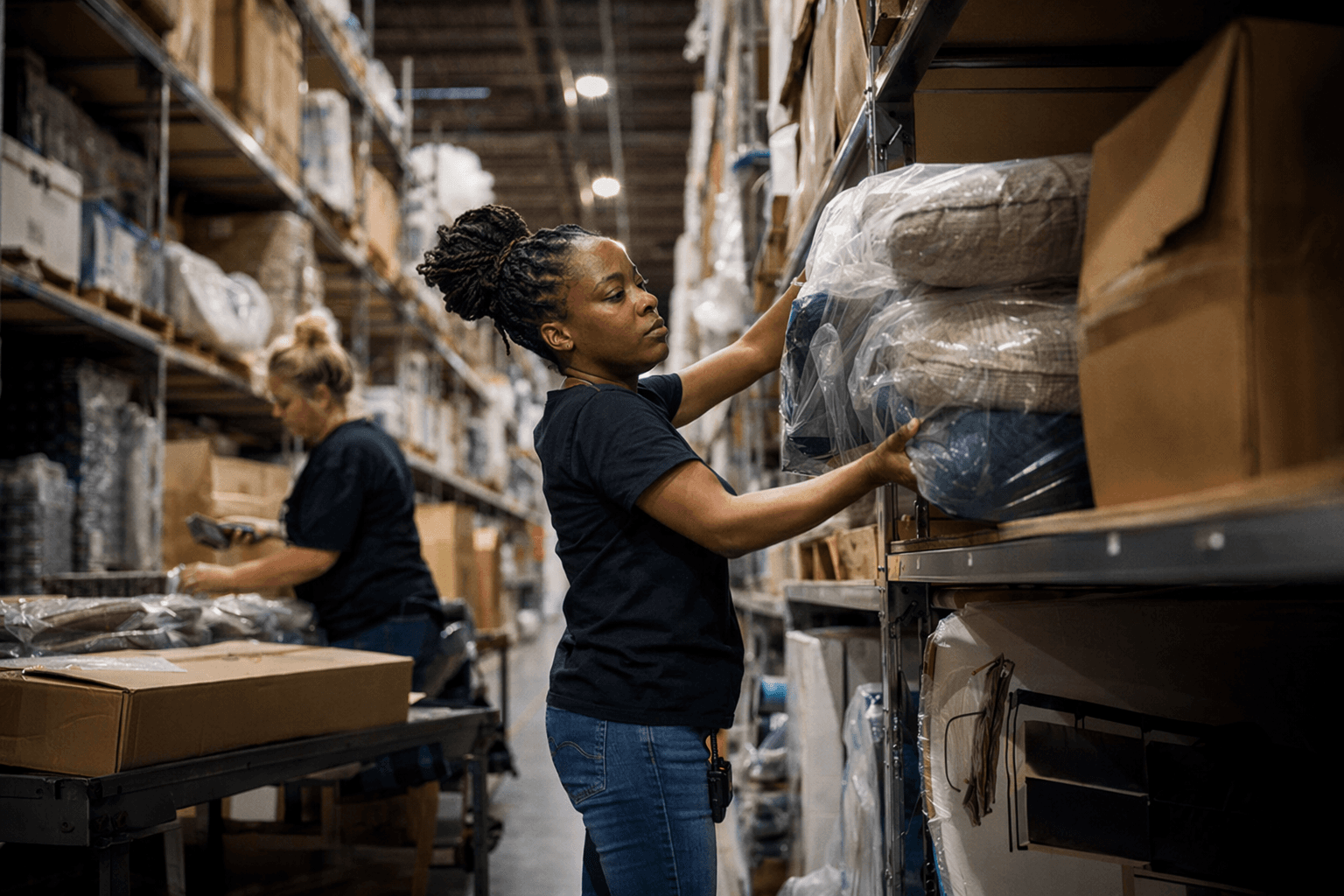
That matters for the daily job. A traditional chain can plan around a steady assortment and long replenishment cycles; an off-price store has to stay ready for surprise loads, fast markdowns, and quick switches in what gets front-and-center space. The people who do best in that environment are the ones who can reset quickly, keep signage current, and make a messy delivery look intentional by the end of the shift.
What Big Lots is actually selling
Big Lots is not one narrow concept. Its mix includes furniture, home décor, apparel, electronics, pet supplies, seasonal goods, groceries, toys, health and beauty items, and other everyday essentials across the remaining store footprint. The company says its mission is to deliver “great value on ever-changing selections” of discretionary and everyday items, and it describes the newer brand as combining a treasure-hunt shopping experience with closeouts and bargains.
That is the key to reading the floor. The right answer to a customer is not always “we’ll have it again next week.” More often, the honest answer is that the exact sofa, rug, toy, or pet item may be gone after this run, and the next version may be completely different. For workers, that changes how you sell the department: you are not promising continuity, you are helping shoppers understand value while the deal is still in front of them.
Why resets, replenishment, and conversation skills matter so much
In a closeout-driven store, floor execution is not just about looking neat. It is about reacting fast enough to protect margin on items that may already be priced to move, while making the store easy to shop before the next wave of product lands. That puts a premium on receiving discipline, smart replenishment, and a sharp eye for what should be displayed now versus what should be held, marked down, or moved.
It also changes the customer conversation. Associates need to explain why a deal is limited, why the exact item may not come back, and why a category can look full one week and different the next. That is not a sign of weak planning. It is the tradeoff inside a model that depends on opportunistic buys, strategic sourcing, and quick turns to keep prices attractive.
For workers who want to stand out, the lesson is straightforward: learn the pace of the business, not just the aisle you were assigned to. The people management will trust most are the ones who understand that a one-time buy should be treated like a one-time buy, with strong presentation and no wasted time.
What the broader retail picture says about the model
Big Lots’s approach is part of a wider retail split. The National Retail Federation has said off-price continues to stand firm while department stores keep trying to find their footing. In the NRF’s 2025 category analysis, Kantar’s David Marcotte said discount growth is being supported by broad apparel variety from source manufacturers, clearance items, and more sophisticated systems for managing diverse procurement streams.
The numbers behind that contrast are hard to miss. NRF’s coverage said TJX Companies had 2024 U.S. sales of $43.56 billion and 3,660 U.S. stores. In the same set of coverage, Macy’s posted a 3% decrease in U.S. sales to $22.21 billion and Kohl’s had a 7% decrease. For a Big Lots worker, that broader market split helps explain why buyers and managers keep pushing flexibility: the model is winning when it can keep inventory moving and value visible.
How the company’s recent changes reached the floor
Big Lots entered this period with a huge footprint and then a much smaller one. The company reported 1,392 stores in 48 states as of May 4, 2024, then filed for Chapter 11 bankruptcy on September 9, 2024. Its Chapter 11 cases were later converted to Chapter 7 effective November 10, 2025, with Alfred T. Giuliano appointed as Chapter 7 trustee.
Variety Wholesalers later bought the Big Lots brand out of bankruptcy in 2025 and said the new Big Lots would operate 219 stores in 15 states. The company says it brings more than 70 years of discount retail experience and already operates more than 400 stores across 18 states under banners that include Roses Discount Stores, Roses Express, Maxway, and Big Lots. Retail Dive reported the first reopening wave began April 10, 2025, with nine stores across six states, and said later reopenings included electronics and apparel as new merchandise categories. That kind of restart makes the floor even more fluid, because assortment, staffing, and customer expectations can all change at once.
What this means for your next shift
- Reset fast when a new deal lands.
- Keep signage and pricing accurate.
- Replenish before empty spaces become dead spaces.
- Treat limited inventory as a feature, not a failure.
- Explain value clearly when shoppers want the same item twice.
The most useful workers in an off-price store are not the ones who expect every day to look the same. They are the ones who can move with the merchandise, keep the floor readable, and turn a surprise shipment into a selling opportunity. In practice, that means:
That skill set is what makes someone more valuable for advancement in a place like Big Lots. The pace can feel unpredictable, but the business is really optimizing for speed, flexibility, and margin on goods that will not sit still. If you can master that rhythm, you are not just keeping the aisle full. You are learning how the company survives.
This article was produced by Prism’s automated news system from verified source data, official records, and press releases, then run through automated quality and moderation checks before publishing. The system is built and supervised by the people who set the standards it runs under. Read our full AI policy.
Did this article answer your question?