Big Lots workers can learn how inventory accuracy keeps stores stocked
Big Lots stores run on accurate counts: the chain’s closeout model turns bad inventory data into empty shelves, missed markdowns and extra pressure on store teams.
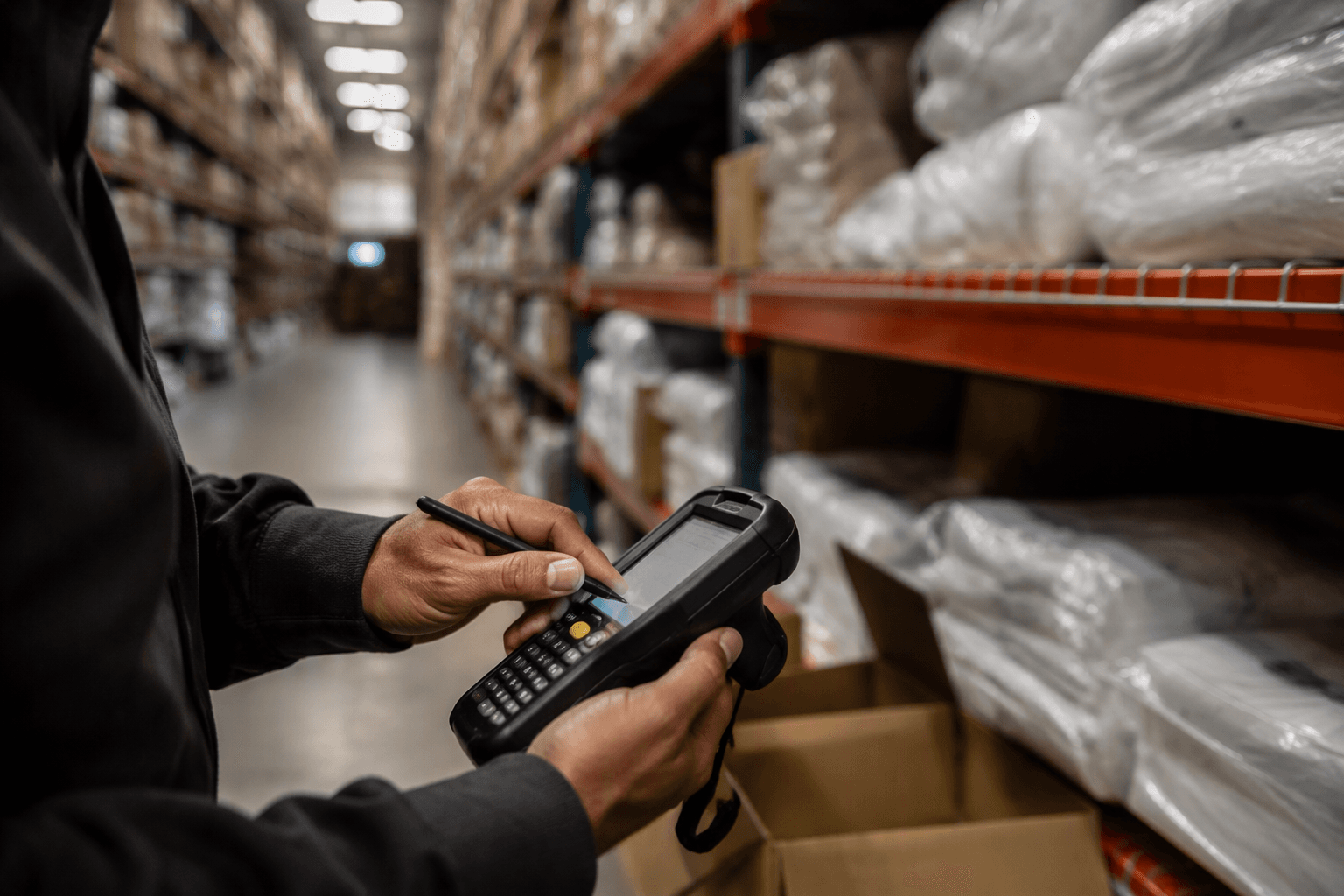
At Big Lots, inventory lives on the shelf, in the backroom, and on the truck. Inventory management is one of the pillars of a successful retail operation, as Oracle NetSuite puts it, and that is especially true at a discount chain built around ever-changing closeout and brand-name items.
Why inventory accuracy matters at Big Lots
Big Lots says its mission is to deliver great value on ever-changing selections of closeout and brand-name items. In an SEC filing, the company says it also sells wholesale merchandise that is generally obtained through the same or shared opportunistic purchases as its retail operations. In that mix, inventory accuracy is the difference between having the right deal ready for the floor and having a customer stare at an empty bay.
In a business built on fluctuating product mix, every bad count creates a chain reaction. If a system says product is on hand when it is not, the shelf goes empty. If the system misses product that is already in the building, markdowns can be delayed and sales can stall. For store teams working with limited labor, the result is more time spent chasing inventory problems and less time spent moving product where shoppers can actually buy it.
What the numbers mean on the sales floor
A single, real-time view of inventory across all sales channels helps reduce inventory on hand to free up cash while avoiding stockouts. If counts are accurate, managers can make better choices about replenishment, clearance timing, and what should move from the backroom to the floor first.
The daily work tied to that accuracy is concrete:
- receiving merchandise correctly so incoming product is logged where it belongs
- tracking what is selling, what is sitting, and what has moved to the wrong place
- running cycle counts so errors are caught before they become shelf gaps
- watching shrink so the store does not plan around stock that is no longer there
- timing orders and replenishment so the right product reaches the right location at the right time
Associates feel inventory issues as pallets in the wrong spot, clogged backrooms, and sudden markdown events that seem to arrive too late.
Inventory accuracy is a performance skill, not just a systems task
Inventory accuracy can be improved operationally, and that is a useful lens for Big Lots workers. Inventory knowledge is not limited to managers or office roles. It shows up in how well an associate handles receiving, how carefully a department is zoned, and whether a shift can respond to a mismatch between what the system says and what is actually on hand.
Employees who understand inventory can set themselves apart in merchandise flow, store operations, and department leadership roles. If someone can explain why a shrink problem is affecting availability, or why the backroom is overloaded because inventory is not flowing correctly, they are already speaking the language of store execution.
How closeout retail makes mistakes more costly
Big Lots’ model makes inventory discipline especially important because the assortment changes constantly. A predictable replenishment business can absorb some slippage by ordering the same items again. A closeout-driven business cannot rely on that cushion. When a deal item is missed, overcounted, or mishandled, it may not be easy to replace at the same price or at all.
Missed markdowns can hurt as much as empty shelves. A store may have product in the building, but if the timing is off, the chain loses margin and the customer loses the sense that the store is offering a sharp deal.
The bankruptcy and store changes raised the stakes
The pressure on inventory accuracy became even more visible as Big Lots moved through major corporate changes. On September 9, 2024, Former BL Stores, Inc. initiated voluntary Chapter 11 proceedings in the U.S. Bankruptcy Court for the District of Delaware. That day, Big Lots filed for bankruptcy and planned to close hundreds of locations.
On December 27, 2024, Big Lots said it would transfer some assets to Variety Wholesalers and other parties. By February 5, 2025, Big Lots had 872 U.S. stores, and a court filing listed 200 locations likely to stay open. On March 12 and 13, Ollie’s Bargain Outlet said it would acquire 40 Big Lots store leases, bringing its total to 63 leases acquired since the Chapter 11 filing. On April 29, 2025, Big Lots planned to reopen 132 more stores in May under new ownership.
When stores are being closed, reopened, sold, or transferred, the flow of merchandise has to be exact. Good counts help determine what can be sold, what should be marked down, what must move quickly, and what belongs in the next store on the list.
This article was produced by Prism’s automated news system from verified source data, official records, and press releases, then run through automated quality and moderation checks before publishing. The system is built and supervised by the people who set the standards it runs under. Read our full AI policy.
Did this article answer your question?