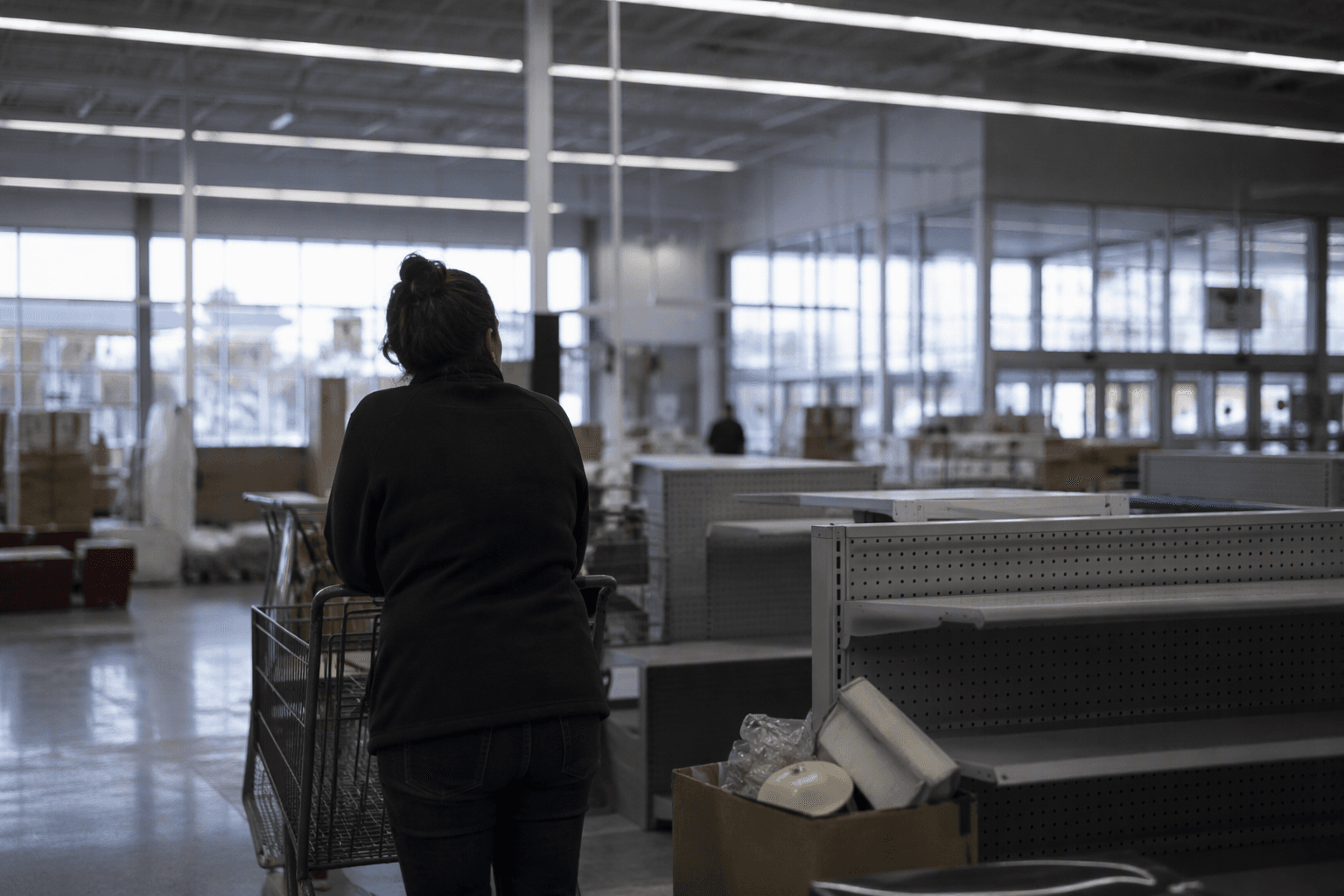
Big Lots workers can use Labor Department guide to protect overtime pay
Big Lots workers can use the Labor Department’s wage-and-hour guide to spot unpaid overtime, off-the-clock work and false exempt labels before a long week erodes pay.

Stocking before clock-in and closing work after punch-out still count as hours worked under the Fair Labor Standards Act. If a Big Lots shift pushes a nonexempt worker past 40 hours in a workweek, those extra hours are paid at time-and-a-half. The Labor Department’s Handy Reference Guide translates that rule into retail realities.
What the FLSA protects in a retail store
The Fair Labor Standards Act covers minimum wage, overtime, child labor and recordkeeping, and the Labor Department treats those records as a core employer obligation. For hourly associates, the key rule is simple: nonexempt workers generally must receive time-and-a-half for hours over 40 in a workweek. In a Big Lots store, that matters for cashiering, receiving freight, unloading trucks, running curbside service and any shift that goes long.
Recordkeeping has to follow the work, not the schedule on paper. If you are asked to start before your shift, stay after your shift, or work through a break while still handling job duties, those minutes count as hours worked. That is the part many retail workers miss first, especially when managers treat the end of a shift as the end of the company’s obligation.
Where Big Lots workers can get burned
The gray area in retail is rarely a dramatic payroll theft scene. It is usually a pile of small tasks that feel routine: answering messages after clocking out, finishing closing duties that run long, preparing for the next shift before punching in, or working through a meal period because the store is short-staffed. At Big Lots, where associates may be asked to straighten aisles, recover merchandise, load freight or handle curbside pickups in one shift, those extra minutes can quietly turn into unpaid labor.
Before peak workload hits, these are the rules worth reading. If a manager says to “just do one more thing” after your shift ends, the legal question is not whether the task is small. It is whether you were working. A supposed break is not a break if you are still on duty, and a few minutes at the end of the night can become a pattern that erases part of your pay.
Why title alone does not settle overtime
This matters even more for workers moving up the chain. A promotion into supervisor or manager can change pay structure, but not every salaried title is automatically exempt from overtime. The duties test and salary basis rules still matter, which means a badge that says manager does not end the analysis by itself.
That distinction is especially important in a store environment where salaried workers can still spend a lot of time doing the same hands-on tasks as hourly staff. The legal question is what the job actually requires, not what the schedule title sounds like. Big Lots workers who move into leadership roles should pay attention to whether they are truly exempt under the FLSA or just being described that way because the title sounds higher up.
Why the timing is especially sensitive at Big Lots
Big Lots has been through a bruising stretch of bankruptcy and store churn, and that kind of upheaval is exactly when wage-and-hour problems tend to surface. The company was preparing a bankruptcy filing and planned to sell stores, then sold its business to Nexus Capital as proceedings began. The chain was closing stores and filing for bankruptcy, and roughly 300 stores were already set to close.
The pressure did not stop there. By Dec. 19, 2024, Big Lots would begin going-out-of-business sales at all remaining locations, totaling 963 stores at that point. A later deal with Gordon Brothers Retail Partners could keep hundreds of stores open and save jobs, but in January 2025 locations were still facing closure amid the bankruptcy process. When ownership changes, closures and hurried restructuring hit at once, hours can change fast, payroll systems can lag and associates can end up working more than they realize.
This is not a new fight at Big Lots
Big Lots has faced overtime questions before. The company agreed to pay $10 million to settle California claims from 1,451 store managers who said they had been improperly denied overtime pay. Those managers said they were treated as exempt while still doing clerical and other duties, which is exactly the kind of mismatch the FLSA is meant to catch.
If a store manager is still hauling boxes, covering the register, closing the store and handling clerical work, the exempt label does not automatically erase overtime rights.
What pay data suggests about the stakes
Big Lots has also faced scrutiny over low wages. In 2022, workers were joining a summer labor resurgence and the company was under scrutiny for low pay. More recent worker-reported pay information reinforces why overtime matters so much in this chain: Indeed listed average U.S. hourly pay for a Big Lots retail sales associate at $11.66, 25% below the national average, and in a February 2024 Reddit post, one worker said they made $12.14 an hour while new hires started at $11.67 at that store.
Those figures are not company policy. When base pay is near that range, losing even a few hours of overtime or working unpaid closing tasks can cut deeply into a weekly paycheck.
How to use the guide on your next shift
The Labor Department guide is most useful when you use it to check real store practices against real hours worked. A few fast habits make the rules easier to enforce:
- Keep your own log of start times, end times, meal periods and any work done before clock-in or after clock-out.
- Save schedules, texts and task lists that show when you were asked to stay late, open early or finish required work off the clock.
- If you move into a supervisor or manager role, ask how the job changes your exemption status and whether the duties and salary basis actually match the label.
- Watch for the most common retail red flags: closing after your shift ends, working through lunch, helping recover the store after hours, or doing prep work before your paid time starts.
This article was produced by Prism’s automated news system from verified source data, official records, and press releases, then run through automated quality and moderation checks before publishing. The system is built and supervised by the people who set the standards it runs under. Read our full AI policy.
Did this article answer your question?