Big Lots workers face shifting schedules amid bankruptcy and store closures
Big Lots schedules are tightening around sales, freight, and closures, so the most reliable hours may go to workers who can read the week before it changes.
The schedule now tells the story
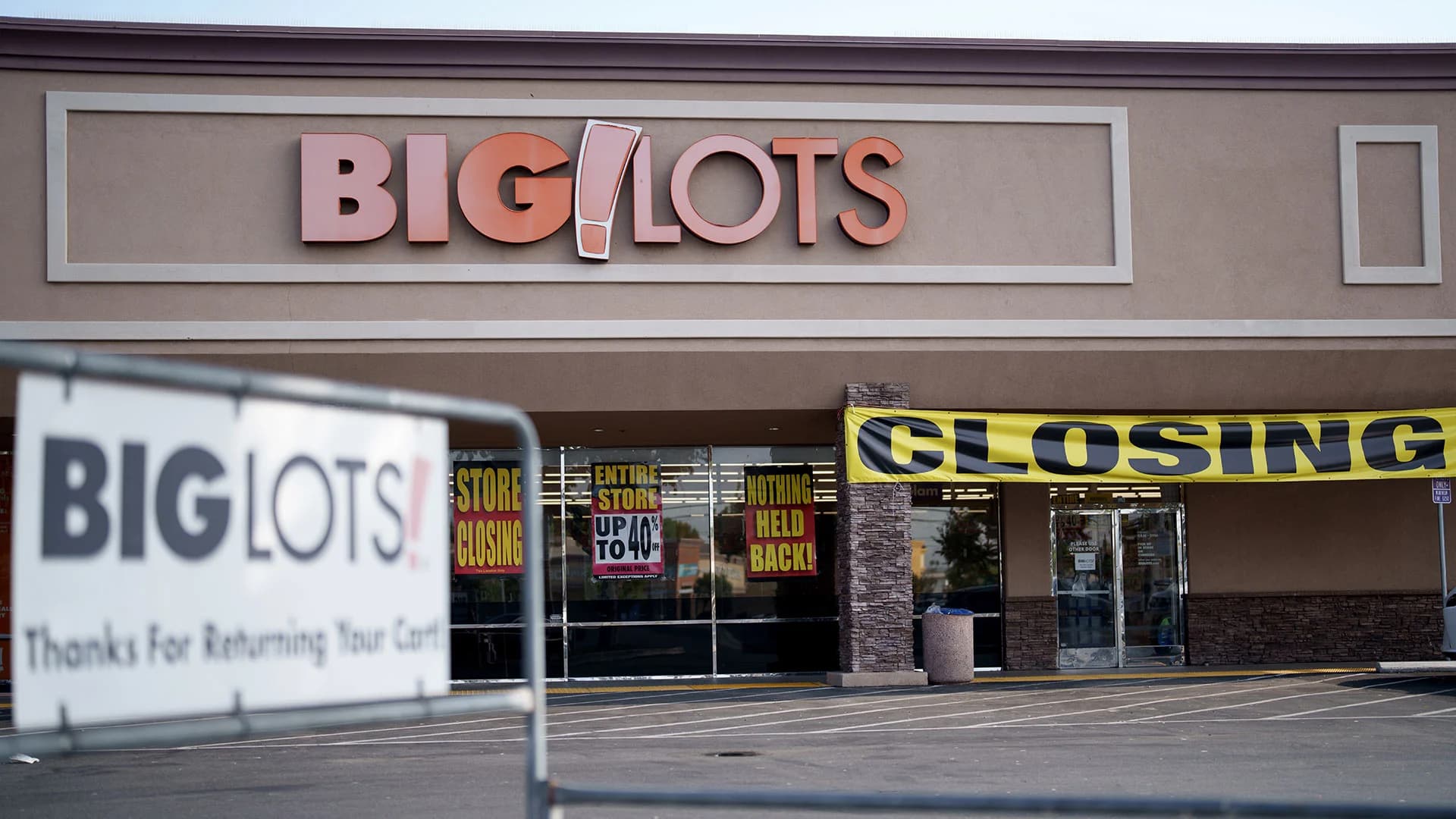
At Big Lots, the weekly schedule has become a map of stress points. Sales volume, freight timing, callouts, and labor budgets now shape when workers are needed, and the company’s bankruptcy and store closures have made that pattern even more visible.
The scale of the disruption matters. Big Lots filed for Chapter 11 bankruptcy on September 9, 2024, saying inflation, high interest rates, and weaker demand for home goods were squeezing the business. At the time, it had more than 1,300 stores in 48 states and about 27,700 employees, and court records showed it had already started closing nearly 300 stores. By December 19, 2024, Big Lots said it would begin going-out-of-business sales at its 963 remaining stores after its sale process with Nexus Capital Management fell through, and reporting later that month said more than 400 locations had already closed.
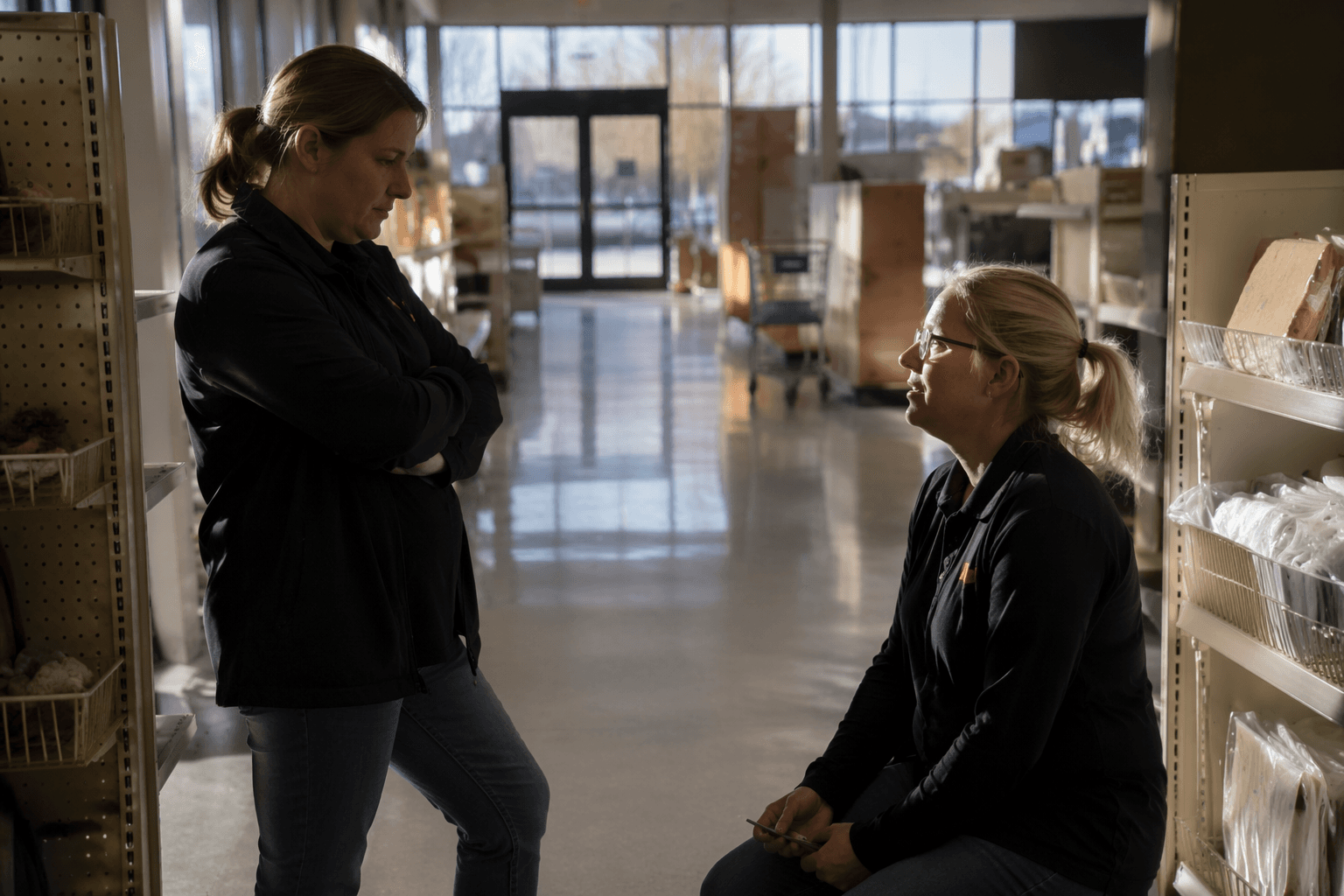
For workers, that is not just corporate drama. It changes the rhythm of the week. A store that is trying to keep shelves full while cutting hours will move labor toward whatever is most urgent: a freight unload, a register rush, a recovery push, or a last-minute gap from a callout. The old idea of a stable retail week becomes less useful when the company is shrinking store by store.
How to read the week before it reads you
Retail scheduling is rarely random, even when it feels that way. At Big Lots, the real drivers are the same ones that drive most stores: customer traffic, freight arrival, labor budgets, holidays, promotions, weekends, and major resets. The trick is that those forces do not line up neatly, so hours often shift to cover the most pressured parts of the week instead of staying evenly spread.
That means the best time to ask for hours is usually before the schedule gets locked in, not after it is posted. If you know your store is getting a truck, running a sale, or facing a busy weekend, that is when managers are most likely to need people who can cover cash, stock, recovery, or go-backs. A worker who asks early, with a clear availability window, is easier to place than someone trying to squeeze in after the schedule is already built.
The same logic applies to cutbacks. If sales are soft and hours are thin, managers will protect the tasks that keep the store moving and trim the rest. Knowing that helps workers spot the pattern instead of taking each change personally. In a shrinking chain, a short schedule often says more about labor budgets and traffic forecasts than about one person’s performance.
Why cross-training matters more now
Being scheduled is one thing. Being useful across the store is another. Big Lots, like other retailers, may need a cashier at one point in the day, a recovery worker later, and freight help when pallets hit the dock. Workers who can move between those jobs are often the ones managers can depend on when the week changes fast.
That flexibility matters more in a company under restructuring because every open shift has to do more work. If a store is short on labor, someone who can ring, stock, and recover sales floor areas gives the manager more options. In practical terms, cross-training can make your hours easier to protect because you are filling more than one need.
There is also a simple reality in retail: workers who show up reliably and make scheduling easier are usually the ones managers remember when they are trying to cover a hard week. That does not guarantee more hours, but it does make you harder to overlook when the store is deciding who can absorb a freight day, a holiday rush, or a last-minute gap.
What the distribution center closure means for store labor
Big Lots’ restructuring did not stop at the store level. In Ohio, the company filed a WARN notice saying its Columbus distribution center at 300 Phillipi Road would permanently close by October 31, 2024. That kind of move matters because store schedules are tied to supply-chain flow: when freight gets delayed, stores scramble; when shipments slow down or shift, labor gets redistributed.
A distribution-center closure also signals that the pressure is wider than one underperforming location. It means the company is changing how product moves, which can affect freight days, truck timing, and the amount of recovery work stores can expect in a given week. In a system like that, store workers are often asked to do more with less predictability, especially when closures and go-out-of-business sales are pulling staff attention in different directions.
For workers, the lesson is to watch for ripple effects. If trucks are coming in unevenly, if backroom product builds up, or if a store is getting reprioritized because nearby locations have already closed, the schedule will usually reflect that before anyone says it out loud.
The legal floor is one thing, but local rules can matter more
Workers do not need to be labor-law experts to protect themselves, but a basic grasp of break rules and schedule notice can help. Under federal law, lunch or coffee breaks are not required, but short breaks that employers do offer are generally compensable work time. Meal periods of at least 30 minutes are generally not compensable under federal rules.
That baseline still leaves room for stronger local rules. New York City’s Fair Workweek retail law requires schedules to be provided 72 hours before the first shift and bars last-minute cancellations with less than 72 hours’ notice. Oregon is the only U.S. state with a statewide predictive-scheduling law, and it applies to certain retail, food, and hospitality employers with 500 or more employees. These laws exist because unstable schedules can make it harder to manage child care, schooling, and second jobs.
For Big Lots workers, that means the rules that matter depend on location. A schedule that feels chaotic is not just a personal inconvenience in places with fair-workweek protections; it may also raise compliance questions. The practical move is to know which rules apply where you work, then document shift changes, break issues, and repeated schedule swings so you can spot a pattern early.
How to make a shifting schedule feel less random
- Check the weekly schedule as soon as it posts.
- Save screenshots or keep a personal record of shifts, changes, and approvals.
- Tell management early about school, child care, transportation, or second-job limits.
- Ask for the hours you want before the week is over, especially around freight, resets, and promotions.
- Build skills that let you move between cashier, recovery, and freight work.
The workers who stay ahead of retail chaos usually do the same few things well:
That kind of discipline matters more when the company is closing stores and trimming operations. Big Lots is no longer operating as if every location has a long runway, and the schedule reflects that. The workers most likely to keep some control are the ones who treat scheduling as part of the job, not an afterthought.
In a business this unsettled, the schedule is not just a calendar. It is one of the clearest signs of where the company is putting its remaining energy, and it is the main tool workers have for protecting their income, their time, and their footing in a store that keeps changing around them.
This article was produced by Prism’s automated news system from verified source data, official records, and press releases, then run through automated quality and moderation checks before publishing. The system is built and supervised by the people who set the standards it runs under. Read our full AI policy.
Know something we missed? Have a correction or additional information?
Submit a Tip