Big Lots workers need to know their compensation rights
A Big Lots injury can turn on the first 24 hours. Report it, write down the details, get care, and protect your restrictions before the paper trail slips.
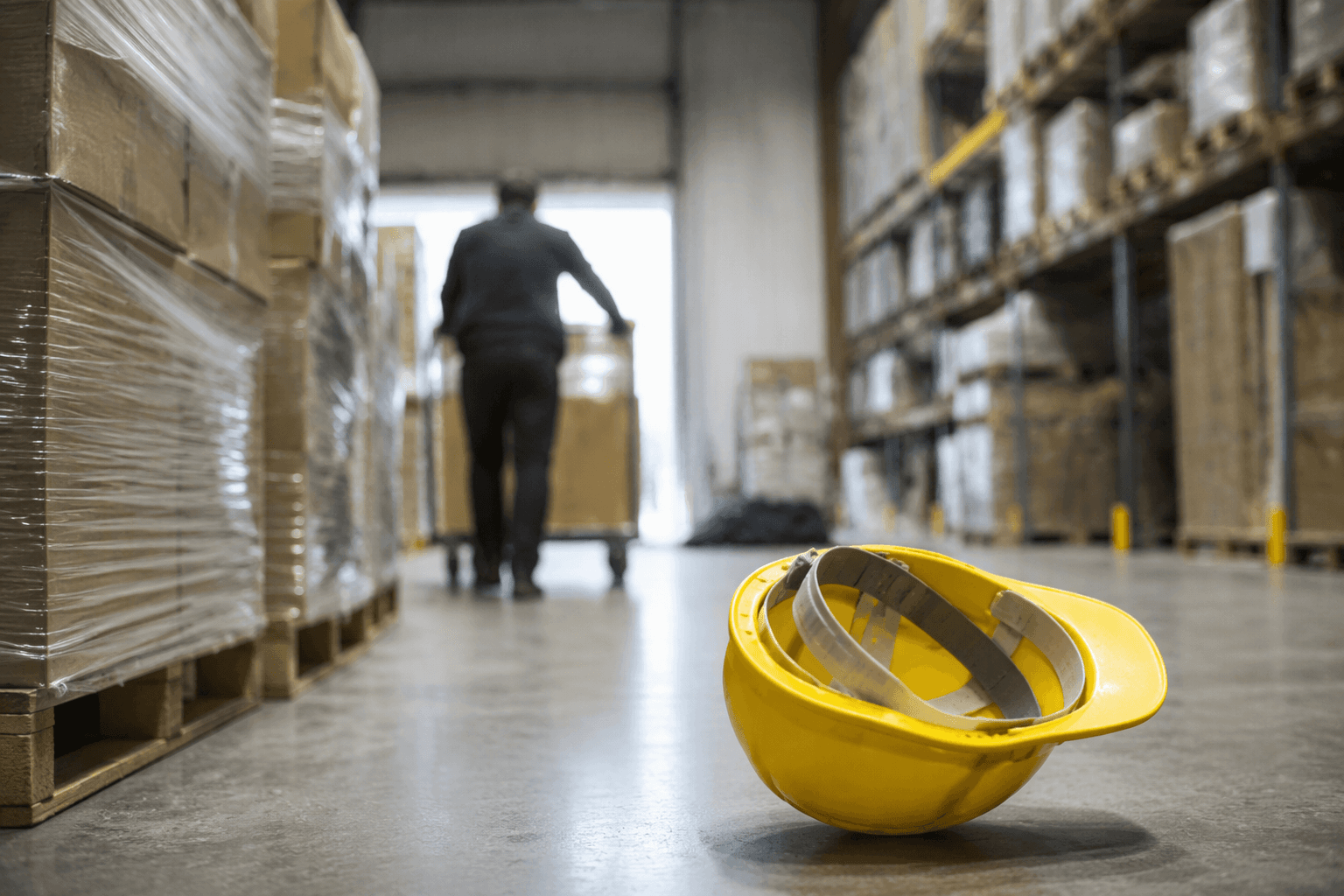
A stockroom slip, a bad lift, or a falling box can turn an ordinary Big Lots shift into a workers’ compensation claim in minutes. The first day matters most because that is when injuries get reported, facts are still fresh, and the paperwork starts to decide whether a claim is clean or disputed.
The first 24 hours after the injury
1. Tell a supervisor right away.
A work-related injury or illness should be reported to the employer as soon as possible, and no later than 30 days after the accident in Florida. In Missouri, missing that 30-day window may jeopardize benefits, so a worker who keeps quiet until the end of the week can lose ground before the claim even starts.
2. Write down exactly what happened.
The report should include the date, time and place of the injury, the nature of the injury, and the name and address of the injured person. For a Big Lots associate, that means noting whether the injury happened while unloading freight, stocking shelves, moving carts, climbing a ladder, slipping on a spill, or getting struck by merchandise in the stockroom or on the sales floor.
3. Get medical care and keep the paperwork.
Injured workers should seek medical care, and Massachusetts’ workers’ compensation informational brochure is available in multiple languages. Retail workers often minimize back strains, repetitive-motion pain, and injuries that start as a sore shoulder or wrist and get worse over time.
4. Save every restriction and form.
A doctor’s note that limits lifting, bending, standing, or climbing is part of the claim record, not a side detail. Keep copies of incident reports, discharge papers, work-restriction notes, and any messages about modified duty, because a missing form can become the reason a claim stalls.
5. Document any pressure to stay quiet.
Under OSHA worker-rights guidance, workers have the right to a safe workplace and to report hazards or injuries. It applies when a supervisor suggests toughing it out, waiting until the next shift, or treating a back pull or fall like something too small to bother with.
Why routine retail injuries still count
Retail injuries are often built out of ordinary motions: lifting boxes, stocking shelves, climbing ladders, handling carts, and repeating the same movements all day. Repetitive motions and material handling can contribute to workplace injury risk, which is why a sore back after unloading freight or a wrist injury after constant stocking is not just a nuisance. A claim does not need to come from a dramatic accident to be work-related, and many compensation fights begin because a worker assumed a minor ache would disappear on its own.
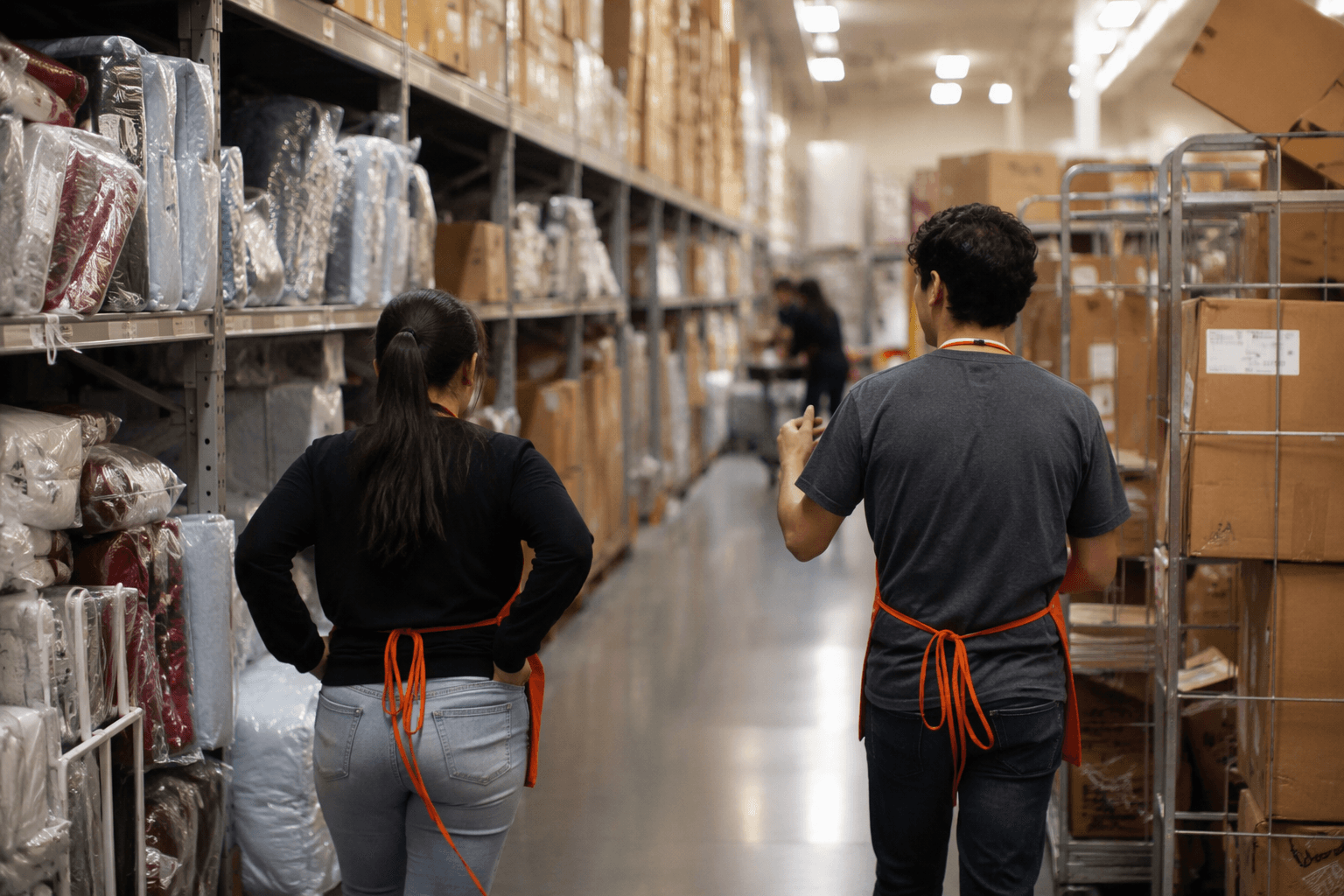
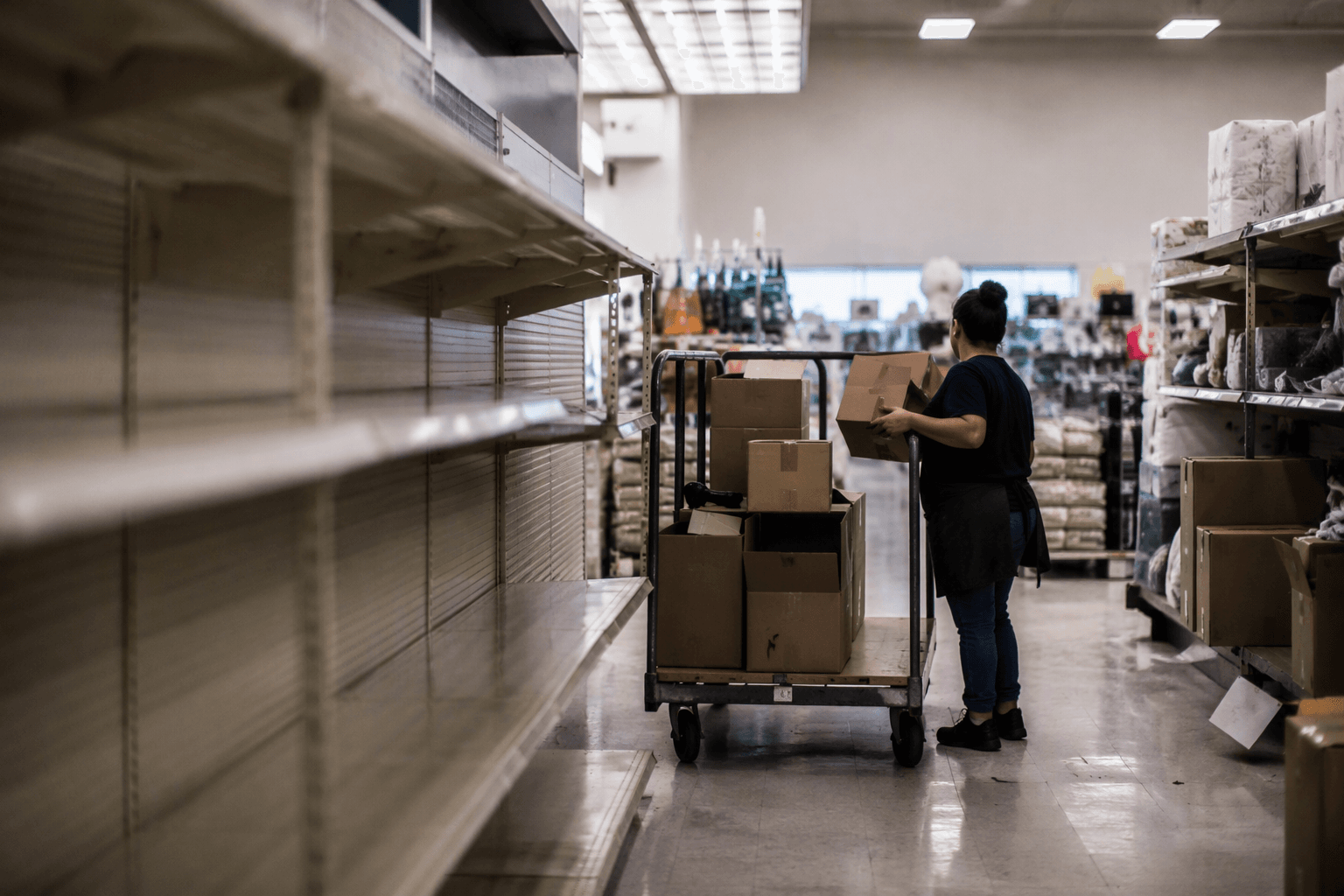
For Big Lots employees, the day-to-day work can involve crowded stockrooms, heavy freight, and merchandise stacked above head level. Falls, lifting strain, and box-related injuries are common retail hazards, and they often become compensable only if the worker reports them quickly and leaves a written trail that matches the medical record.
Big Lots has seen the kinds of hazards workers worry about
In October 2015, falling boxes of patio furniture at a Massachusetts Big Lots store struck an employee and caused hospitalization. Heavy boxes later fell from Big Lots shelves and seriously injured an employee.
OSHA also maintains an accident-report entry for Big Lots, Inc. showing a hospitalized injury. In West Babylon, New York, a Big Lots store was fined $169,000 by OSHA for hazards in 2013.
Bankruptcy and closures made the stakes feel higher
Big Lots filed for Chapter 11 bankruptcy protection in September 2024, with roughly 300 stores already set to close. In December 2024, the company said it would begin going-out-of-business sales at all remaining locations, totaling 963 stores, and 555 corporate workers at the Columbus headquarters were scheduled to be laid off starting December 29. Big Lots later struck a deal to keep hundreds of stores open and save jobs.
This article was produced by Prism’s automated news system from verified source data, official records, and press releases, then run through automated quality and moderation checks before publishing. The system is built and supervised by the people who set the standards it runs under. Read our full AI policy.
Did this article answer your question?