Former Big Lots site in Pennsylvania bought for ICE detention use
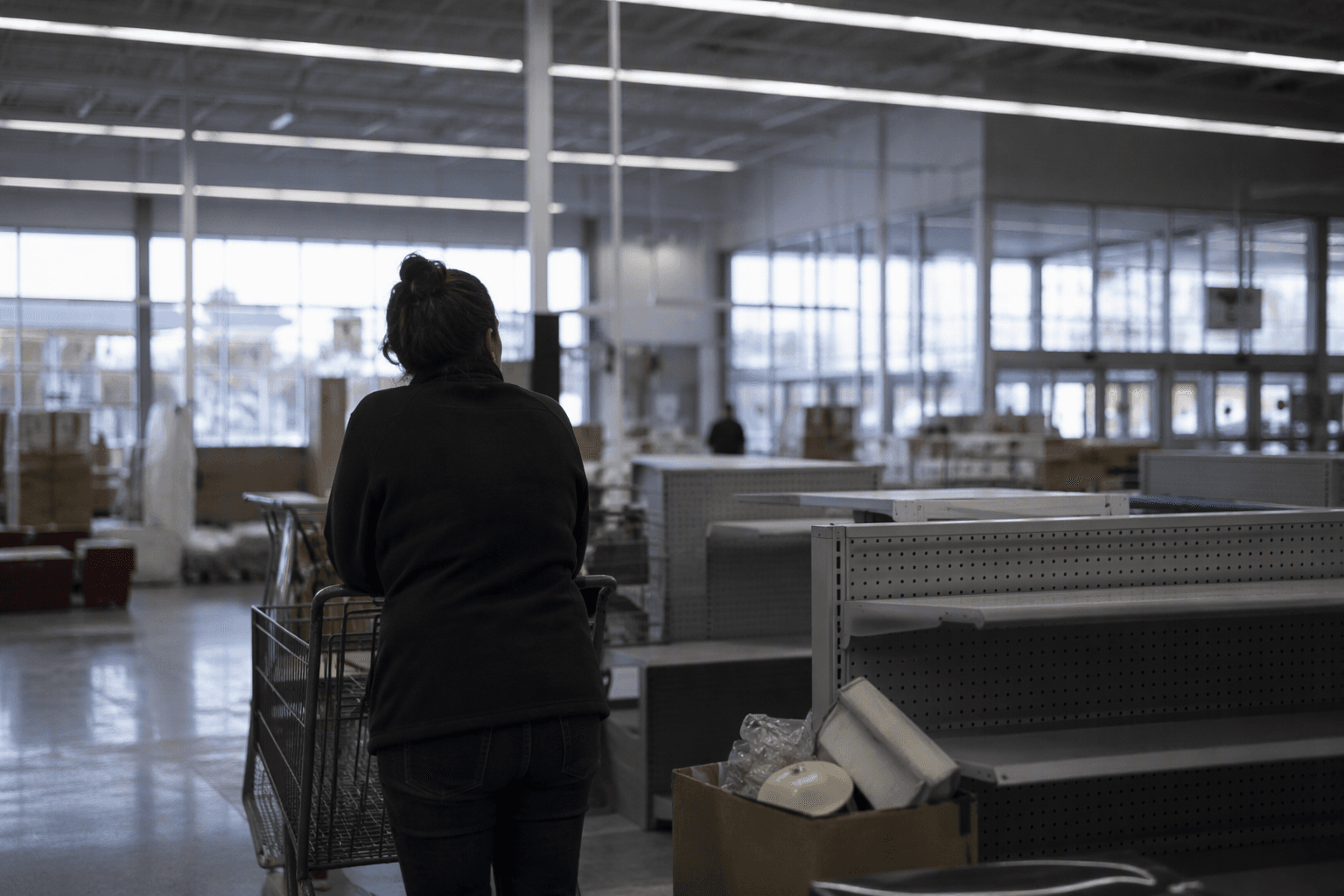
A closed Big Lots warehouse in Tremont Township was pulled into a federal detention plan that threatened more than $1 million a year in local school and municipal taxes.
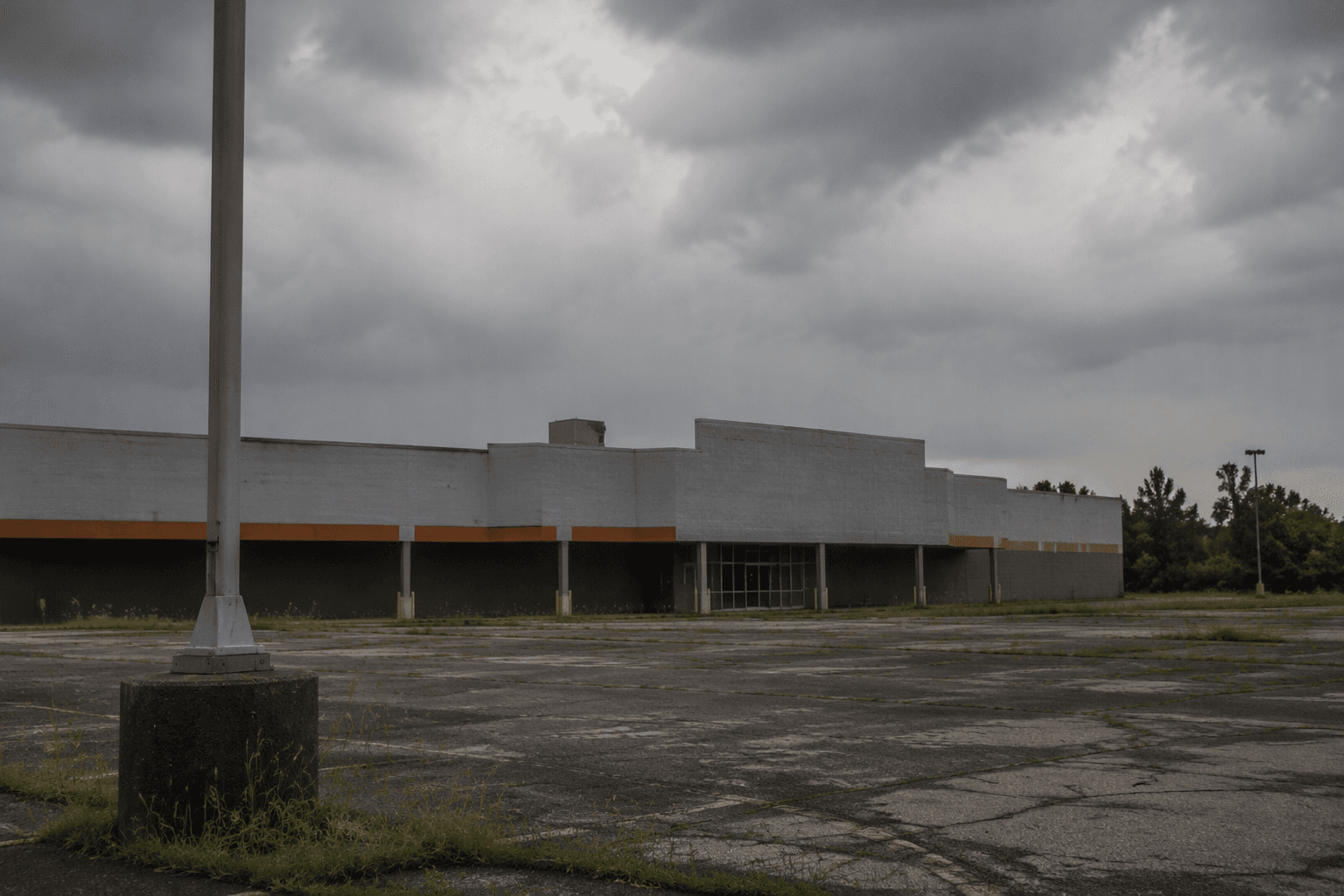
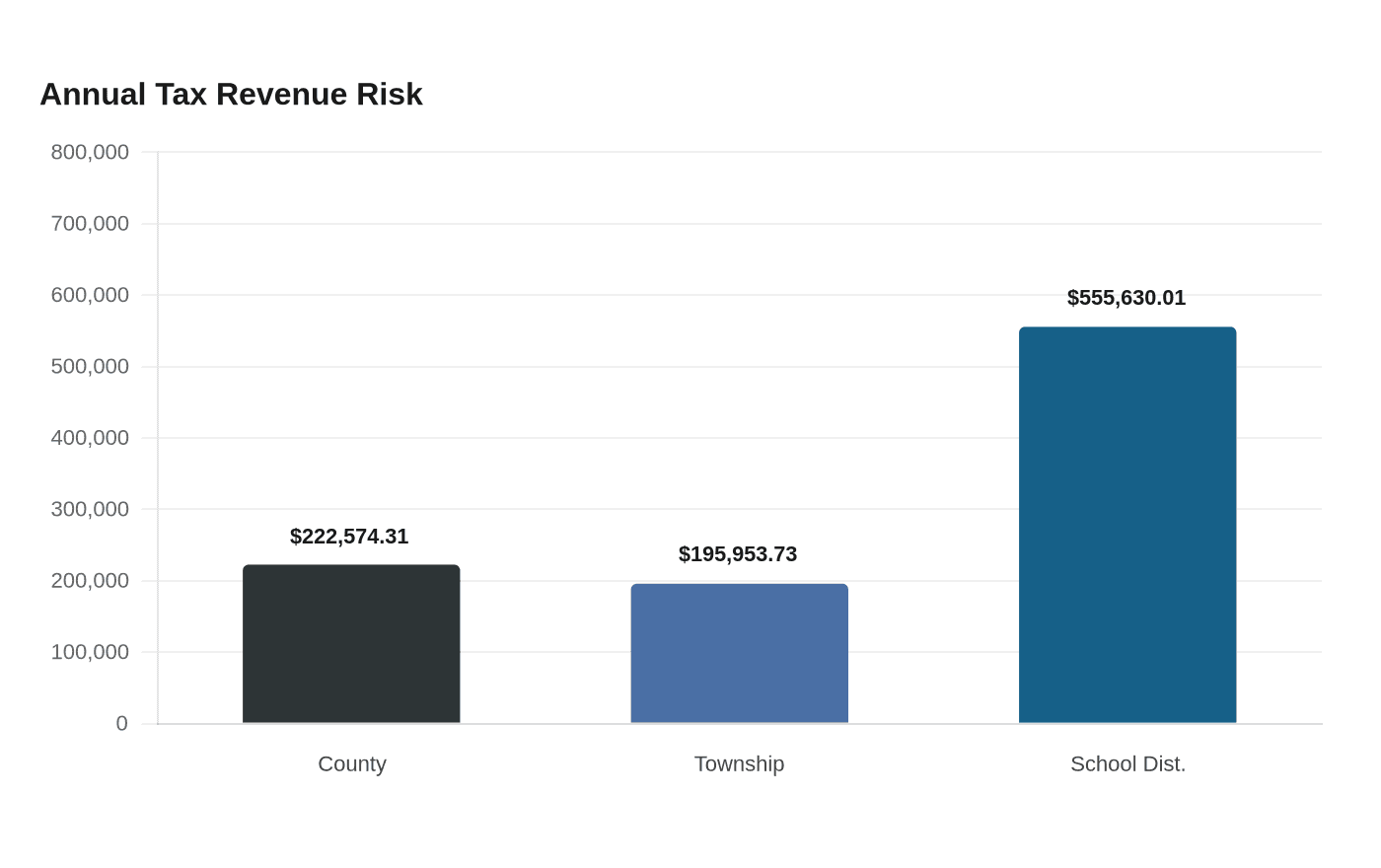
A former Big Lots warehouse in Tremont Township, Schuylkill County, became part of the Trump administration’s plan to turn Pennsylvania industrial sites into ICE detention facilities, putting nearly $1 million a year in local property tax revenue at risk. The roughly 1.3-million-square-foot building would have cost Schuylkill County $222,574.31 a year, Tremont Township $195,953.73 and the Pine Grove Area School District $555,630.01.
The loss went beyond one vacant retail box. Because Department of Homeland Security property is not eligible for federal payments in lieu of taxes, the revenue hit would have landed directly on the county, township and school district budgets that help pay for classrooms, roads, emergency services and other basic functions. For a community that had already absorbed the loss of a Big Lots store, the federal reuse plan would have replaced one local commercial footprint with a use that did little for the surrounding tax base.
Local officials in Schuylkill County and Tremont Township raised concerns about more than money. Water and sewer capacity, along with public safety impacts, surfaced as immediate questions as federal agencies pursued warehouse conversions in Pennsylvania. The political setting was complicated too: the region leans conservative, but the proposed use still put county commissioners, township leaders and school officials in a defensive position over a facility they did not control.
The Tremont site was part of a wider federal push. On Feb. 2, 2026, the Trump administration finalized an $87.4 million purchase of a warehouse in Upper Bern Township, Berks County. Six days later, Gov. Josh Shapiro wrote to DHS Secretary Kristi Noem that he had learned DHS bought two large warehouses in Pennsylvania and planned to convert them into mass immigration detention centers capable of housing up to 9,000 people total.
Sen. John Fetterman later sent his own letter to DHS Secretary Markwayne Mullin, reiterating his opposition to the proposed detention centers. The warehouse plan became a flash point for Pennsylvania officials who worried that federal use would leave communities with the costs of large facilities but without the tax revenue that usually comes with a private industrial property.
By July 2026, ICE told the Shapiro administration it would not use the Pennsylvania warehouses as detention centers, ending months of uncertainty over the sites’ future. In one Upper Bern Township warehouse case, developers later agreed to pay $82,390 to address outstanding issues left before the sale to ICE, underscoring how much cleanup and fiscal wrangling remained after the detention plan changed.
This article was produced by Prism’s automated news system from verified source data, official records, and press releases, then run through automated quality and moderation checks before publishing. The system is built and supervised by the people who set the standards it runs under. Read our full AI policy.
Did this article answer your question?