July wage hikes and new quota rules affect Big Lots workers
Big Lots workers in Alaska, D.C. and Oregon saw July 1 wage floors rise, while warehouse crews in Connecticut face new quota notices and records rules.
Big Lots workers in Alaska, the District of Columbia and Oregon were among the employees who saw new wage floors take effect with the July payroll cycle, a reminder that pay can now shift by state, city and even worksite. For hourly associates, the first pay period after July 1 was the one to watch: if the base rate did not move to match the new local floor, the stub would show it quickly.
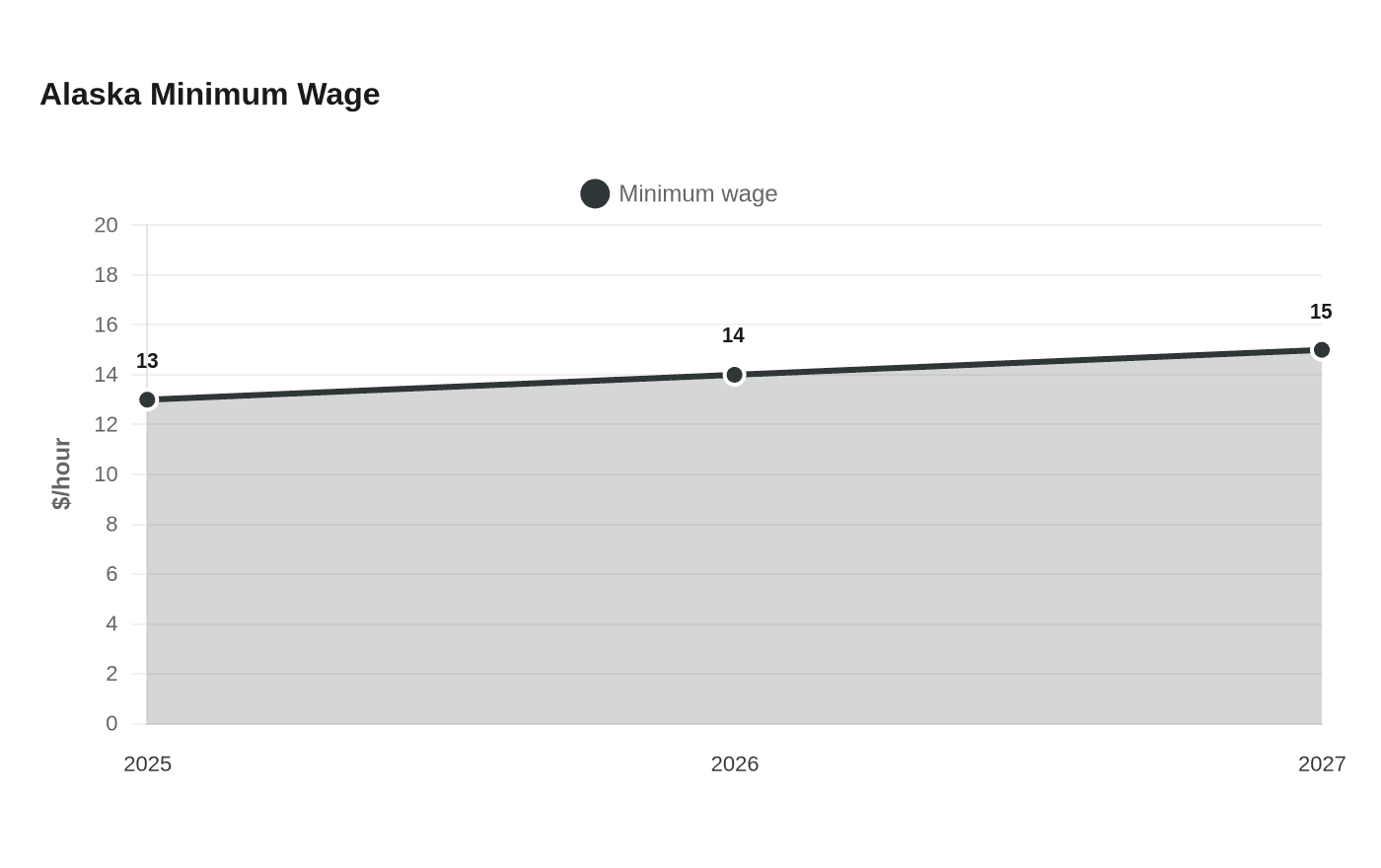
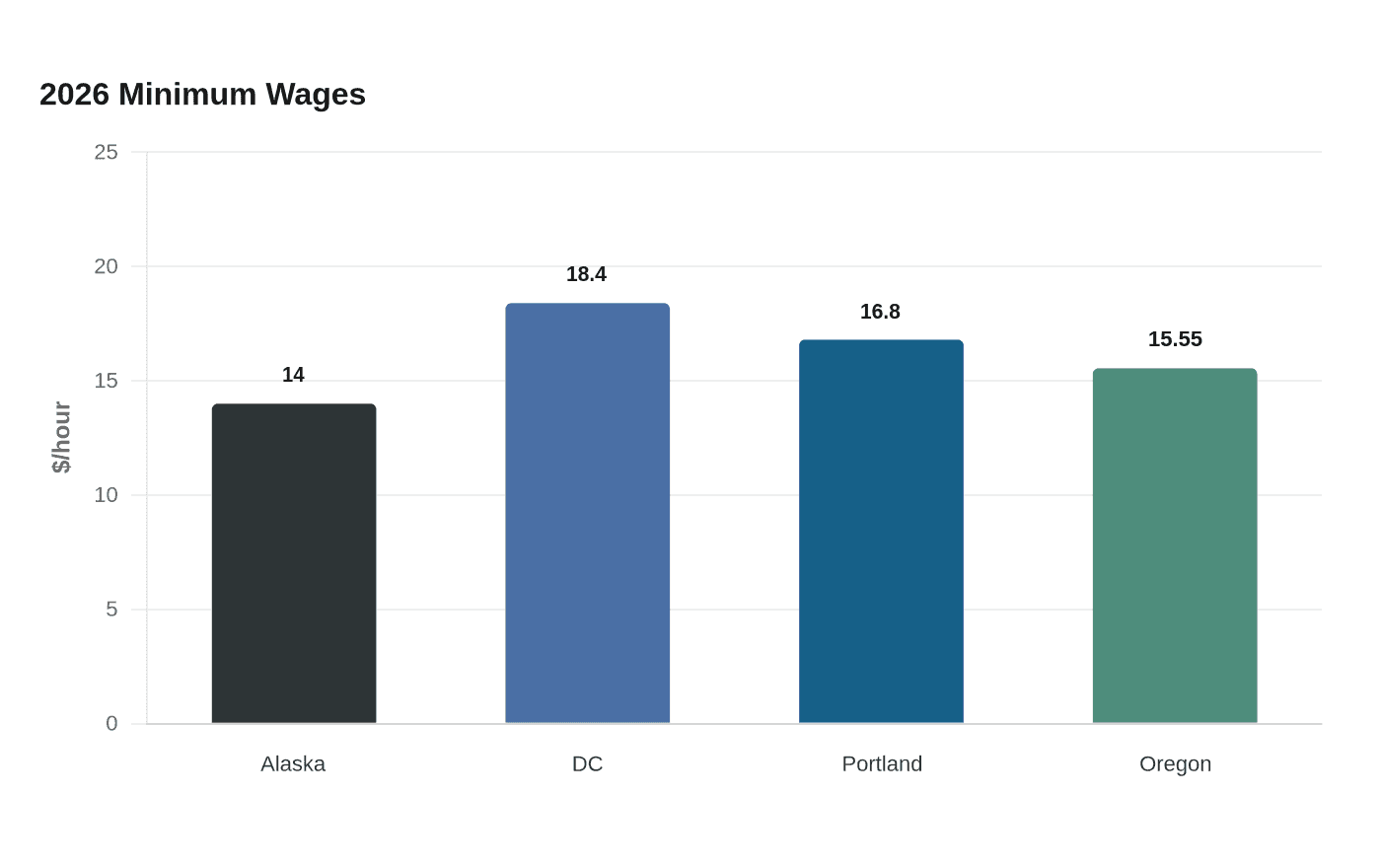
Alaska’s minimum wage rose to $14 an hour on July 1, 2026 under Ballot Measure 1, which set the state on a path from $13 in 2025 to $15 in 2027 and then inflation indexing after that. In the District of Columbia, the tipped base wage climbed from $10.00 to $10.30 an hour on July 1, while the 2026 non-tipped minimum wage sat at $18.40 an hour. Oregon’s official 2026-27 wage poster put the Portland metro rate at $16.80 and the standard rate at $15.55, both in effect from July 1, 2026 through June 30, 2027.

ADP’s July compliance calendar also flagged other local increases in California, Illinois, Maryland, Minnesota and Washington, a sign that the biggest payroll problem for a chain like Big Lots is no longer just a single state minimum. If a worker’s store, warehouse or distribution role crosses a city line, the higher rate controls, and employers are expected to update pay notices and posters when required.
The shift on warehouse floors is just as concrete. Connecticut’s warehouse distribution center quota law took effect July 1, 2026, with current-employee notices due by August 1. Covered employers must give non-exempt workers written quota descriptions, spell out any possible discipline tied to missing a quota, and keep records of individual work-speed data, aggregate work-speed data for similar employees, and the quota descriptions themselves.
Workers can also ask for a written copy of the quota, their own work-speed data for the prior 90 days, and comparator data for the prior 90 days, and the employer must answer within 10 calendar days in the employee’s primary language and in English. Connecticut General Assembly materials say the state Workers’ Compensation Commission will monitor injury rates at warehouse distribution centers, putting safety and production pressure in the same file.
The timing matters for Big Lots because the company entered Chapter 11 on September 9, 2024, and later restructuring plans called for Variety Wholesalers to acquire 200 to 400 Big Lots stores and two distribution centers. In a company still moving through that transition, pay floors and quota paperwork are not abstract compliance items. They are the kind of changes workers see on a stub, on a notice board or at the start of a shift.
This article was produced by Prism’s automated news system from verified source data, official records, and press releases, then run through automated quality and moderation checks before publishing. The system is built and supervised by the people who set the standards it runs under. Read our full AI policy.
Did this article answer your question?