Missouri retail workers win second union contract, boosting wages and schedules
Missouri cannabis retail workers won the state’s second union contract, locking in wage increases, bonuses, paid time off and stable schedules after three years of bargaining.
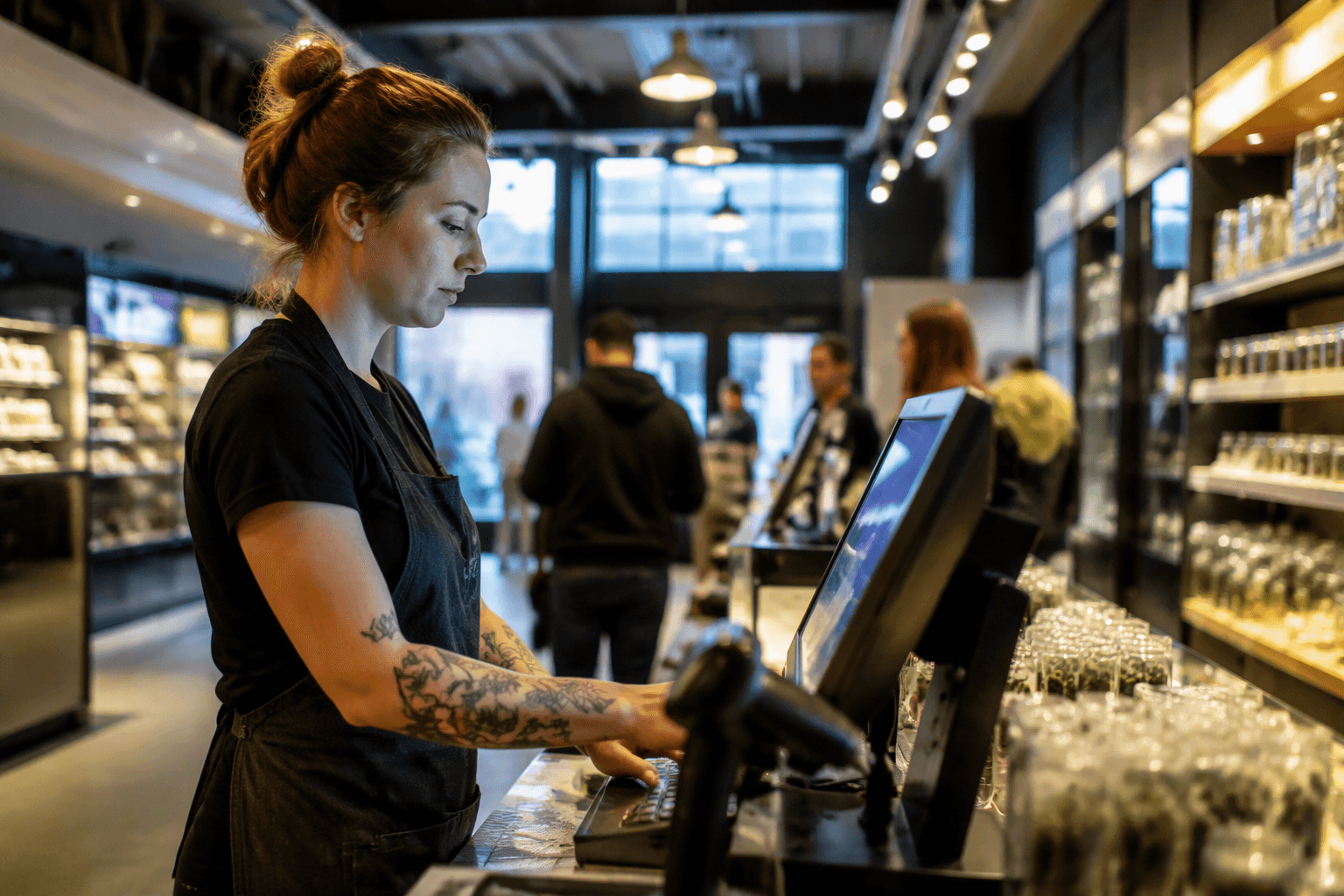
Workers at Key Cannabis Dispensary in Springfield ratified their first union contract on July 30, giving Missouri cannabis retail its second union agreement and a new benchmark for hourly workers watching how hard-won terms get written into binding language. The deal at 751 S. Glenstone Ave. will bring significant wage increases, bonuses and additional time off.
The contract also adds stable scheduling and formalized anti-harassment policies, two issues that often decide whether retail jobs feel predictable or chaotic. The United Food and Commercial Workers International Union marked the ratification as the second union collective bargaining agreement won by cannabis workers in Missouri, and said the deal came after three years of bargaining. That timeline matters: it shows the workforce did not stop after the first organizing push, but stayed at the table long enough to turn campaign promises into contract terms.
Missouri’s cannabis sector has been building toward this point for months. On May 18, St. Louis marijuana workers won a union vote after a two-year ballot fight, and on May 22 more Missouri marijuana workers moved toward a union election after a federal labor ruling. By July 6 and July 7, Missouri cannabis workers were still logging additional wins as organizing spread through the industry. The Key Cannabis ratification fits that pattern of persistence, with workers converting a first agreement into a second, more durable one.
For Big Lots workers and other big-box retail employees, the lesson is not about cannabis specifically. It is about what a contract can force management to put in writing: predictable schedules, pay increases, paid time off and clear rules on harassment. In stores where staffing is tight and customer traffic can swing fast, those terms can matter as much as an hourly wage. Missouri’s second contract showed that once workers win the first agreement, they can use it as a base to press for more practical protections in the next round.
This article was produced by Prism’s automated news system from verified source data, official records, and press releases, then run through automated quality and moderation checks before publishing. The system is built and supervised by the people who set the standards it runs under. Read our full AI policy.
Did this article answer your question?