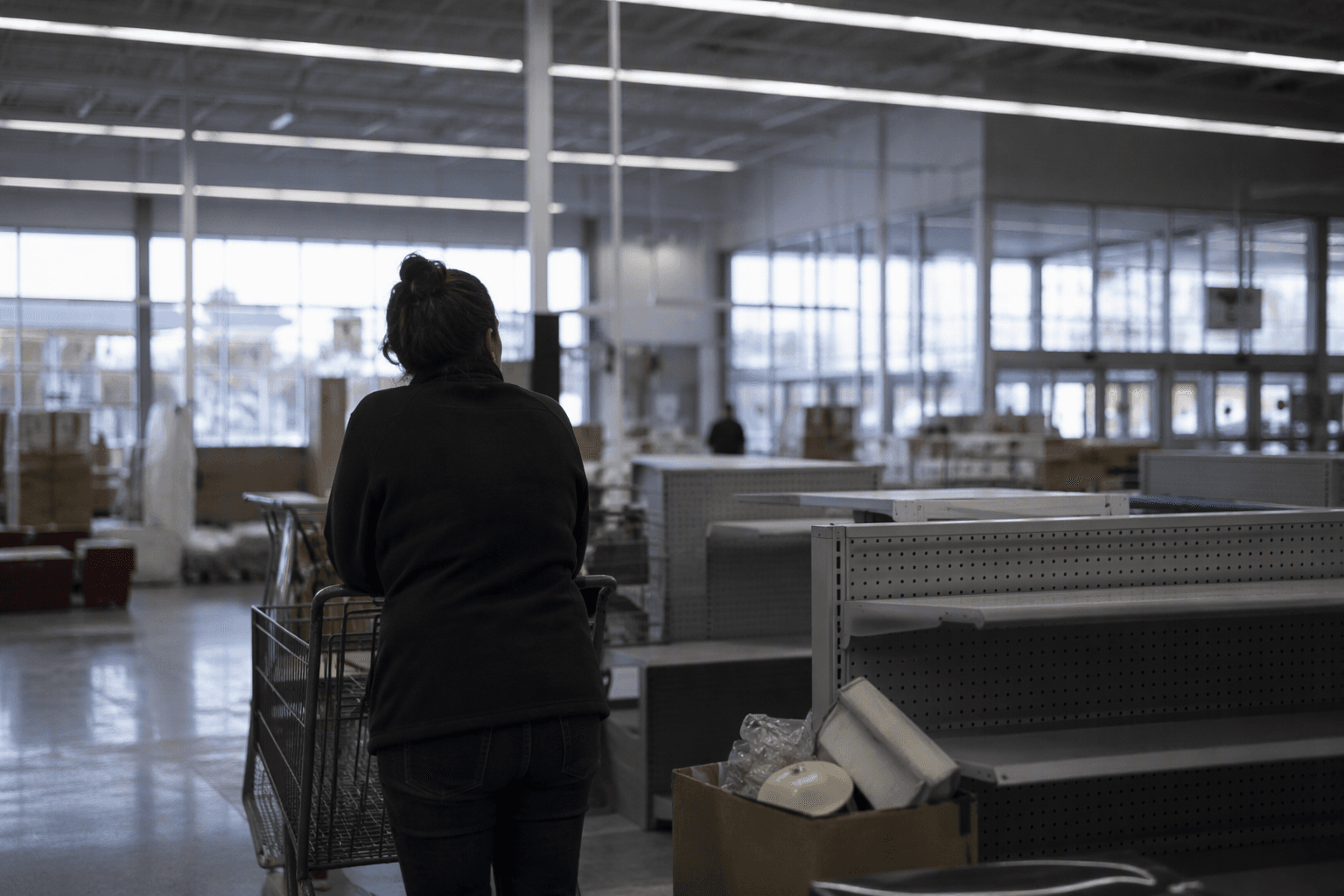
NIOSH lifting guide helps Big Lots workers avoid back injuries
The real risk in Big Lots stockrooms is not one heavy box but the mix of reach, twist, pace and repetition. NIOSH's lifting guide shows when to use help, not muscle.
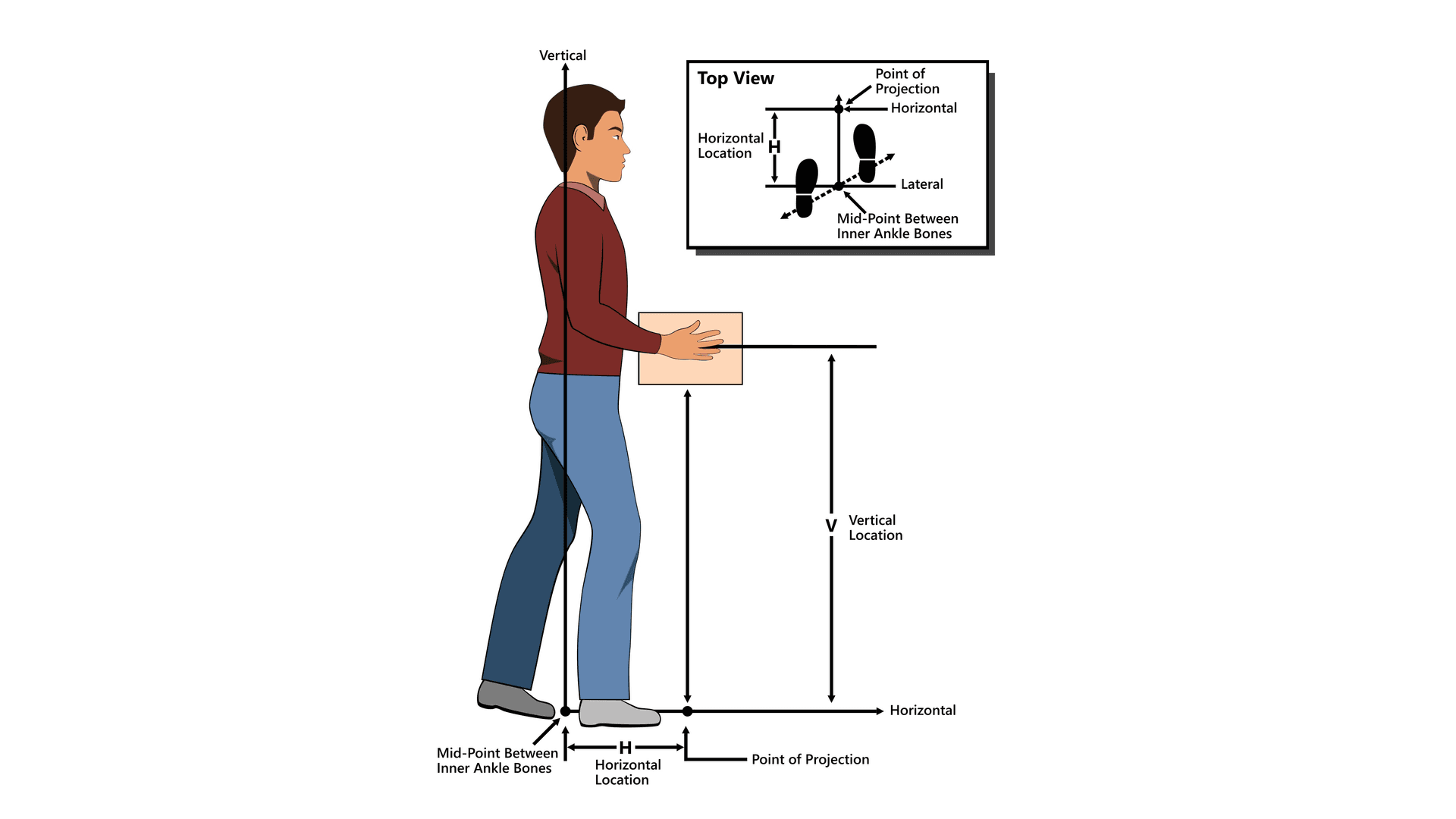
The box that looks manageable at the dock can become a back injury the moment it sits too far from your body, arrives above shoulder height or has to be lifted again and again. NIOSH’s Revised Lifting Equation turns that reality into a simple check: some lifts are within a safe range, and some should be changed before anyone grabs them.
What the NIOSH lifting guide is really measuring
The National Institute for Occupational Safety and Health uses the Revised Lifting Equation to estimate risk for work-related musculoskeletal disorders in both single and multiple manual lifting tasks. In plain terms, it asks whether the lift is straightforward enough for a worker to handle repeatedly, or whether the load, the reach or the pace makes injury more likely.
The equation folds in the details stockroom workers know by feel: how much the object weighs, how far the hands are from the body, how high the load starts and ends, how far it travels, how often the task is repeated, how long the work lasts and how good the grip is. It is commonly written as LC × HM × VM × DM × AM × FM × CM = RWL, with the load constant set at 23 kilograms, about 51 pounds. That makes it a planning tool, not a dare. It is intended for designing and evaluating manual lifting tasks, and it is not a one-size-fits-all answer for every move.
A lift that feels “normal” can still be the wrong lift when the box is awkward, the shelf is high, the trailer is behind schedule or the same motion has already been repeated a dozen times.
What risky lifting looks like on a Big Lots floor
NIOSH’s retail booklet puts a hard number on the problem: manual material handling injuries, also called overexertion injuries, account for 60 percent of injuries and lost work in select retail businesses.
The booklet was published in October 2014 as DHHS (NIOSH) Publication No. 2015-100 and was designed for retailers and safety experts to prevent manual materials handling injuries in grocery stores. The lessons carry straight into Big Lots stockrooms, where the same hazards show up in a different aisle: unloading pallets from a trailer, stacking freight for the floor, pulling product off a conveyor, or moving boxes that are too bulky to grip cleanly.
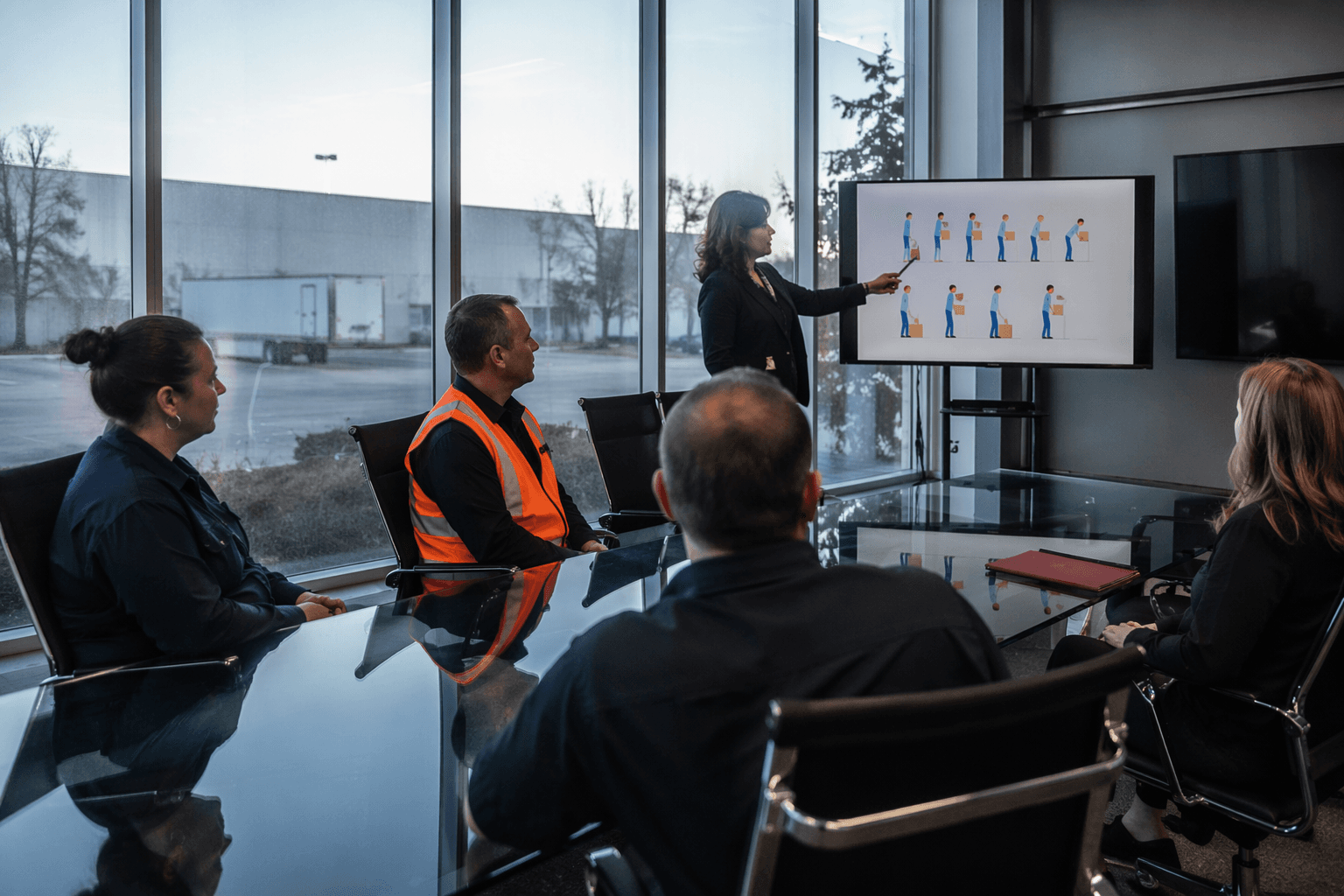
The lifts that cause trouble usually have a few things in common:
- the box is far from your body, so your back takes the load instead of your legs
- you have to reach up, bend low or twist to set it down
- the task repeats fast enough that fatigue starts changing your form
- the item has a poor grip, torn packaging or an odd shape
- the lift happens in a rush, with no pause to use a cart, handcart or partner
The tools and work changes that actually help
Specific mechanical assists help in exactly these situations. A powered-pallet mover can take the strain out of unloading pallets from a trailer. A conveyor can move product across the store instead of through someone’s back. Removing boxes from a conveyor to a handcart turns a long carry into a short transfer.
OSHA’s ergonomics guidance backs that approach: modifying equipment, changing work practices and buying new tools or devices can reduce physical demands, lower injury rates and workers’ compensation costs, and in many cases improve productivity. Training is part of the ergonomic process, and employers should identify and assess ergonomic problems before they turn into musculoskeletal disorders.
For a Big Lots stockroom, that translates into everyday choices that look small but add up:
- use carts and handcarts when the route is longer than the carry
- use team lifts for bulky or unstable freight
- keep the load close to the body instead of reaching out to grab it
- reset the task when the box is above shoulder height or below knee level
- bring in mechanical aid before fatigue turns a routine move into a strain
Why the injury pressure is already high
The National Safety Council says overexertion, repetitive motion and bodily conditions produced the most DART cases and the second most DAFW cases in 2023 and 2024, with 946,290 DART cases and 492,140 DAFW cases in that two-year period. It also reported 12 worker deaths in 2024. DART cases involve days away from work, restricted activity or transfer, which is exactly the kind of disruption a back strain can trigger in a store that is already short on time.
The Bureau of Labor Statistics said private industry employers reported 2.5 million injury and illness cases in 2024, down 3.1 percent from 2023. The U.S. Government Accountability Office has found that as e-commerce retail sales have risen, injuries among warehouse and delivery workers have risen too, with overexertion among the most common injury types.
Why Big Lots has even more reason to treat lifting as a system issue
Big Lots entered 2024 under severe business stress. In July, the company planned to close 35 to 40 stores that year. By August, it was preparing to close as many as 315 stores nationwide. By December, Big Lots was preparing to close all of its locations after filing for Chapter 11 bankruptcy protection. It was trying to stabilize through store-footprint reductions and closing sales.
When staffing is tight and freight still has to be processed, one strain can lead to restricted duty, missed shifts and more turnover at the exact moment a store needs steadier execution. OSHA’s ergonomics guidance says better equipment and better work methods can lower physical demands, reduce injury rates and cut compensation costs.
This article was produced by Prism’s automated news system from verified source data, official records, and press releases, then run through automated quality and moderation checks before publishing. The system is built and supervised by the people who set the standards it runs under. Read our full AI policy.
Did this article answer your question?