North Carolina break rules differ from federal standards for Big Lots workers
North Carolina gives Big Lots workers a different break baseline than federal law, and that gap can affect lunches, short breaks and missed pay when stores are stretched thin.
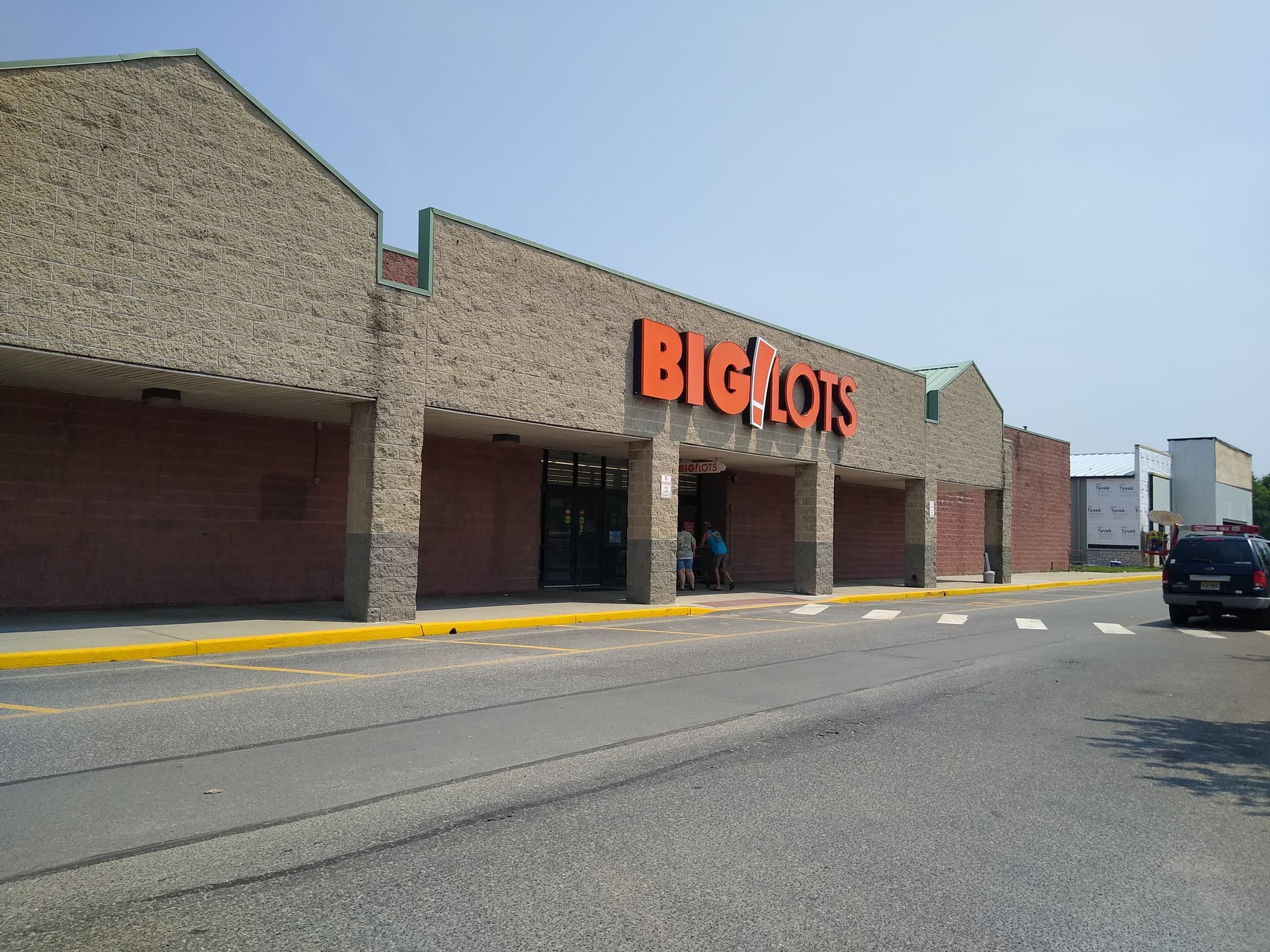
North Carolina’s Wage and Hour Act does not require mandatory rest breaks or meal breaks for employees 16 and older. Big Lots workers can run into trouble when they treat break rules like a single nationwide standard. Federal law sets one baseline, North Carolina sets another, and a store’s own policy sits on top of both, which is where missed lunches, interrupted breaks and overtime confusion usually start.
Federal floor: breaks are not guaranteed, pay rules still matter
Under the Fair Labor Standards Act, employers are not required to provide meal periods or rest breaks. That is the federal floor Big Lots associates need to keep in mind before assuming a manager can simply promise, cut or move a break without touching pay rights.
Breaks of 5 to 20 minutes are generally treated as hours worked, while bona fide meal periods can be unpaid if the employee is fully relieved of duties. In a store setting, that distinction matters when a cashier, stocker or recovery associate is told to keep working through a “break” or to stay near the sales floor while eating.
North Carolina law gives adults no mandatory break right
The state’s break requirement applies only to youths under 16, which means many adult Big Lots workers in North Carolina may have no state-law right to a meal or rest period even if they expect one.
That is where the confusion starts. A store may still run on a written break policy, but a policy is not the same thing as a legal entitlement, and a manager’s choice is not the same thing as the law. For younger hires, seasonal workers and part-time associates, the age difference matters as much as the clock, because North Carolina treats minors differently from adults.
The practical issue on the sales floor is simple: if a manager shortens a lunch, changes a break or asks someone to skip a meal period because the store is busy, the problem may be a company-policy issue, a wage issue, or both. Big Lots workers in North Carolina need to know which rule is in play before they accept the loss as normal.
Overtime is a separate issue from breaks
Break rights and overtime rights are often discussed together, but they are not the same thing. The U.S. Department of Labor finalized a rule in April 2024 increasing compensation thresholds for overtime eligibility, with a salary level equivalent to $43,888 a year effective July 1, 2024 and a scheduled increase to $58,656 on Jan. 1, 2025.
Acting Secretary of Labor Su said on July 1, 2024, “This rule helps ensure that more lower-paid salaried workers who should receive overtime protections under the law actually receive those ...” In a retail chain, a worker’s title does not decide overtime on its own. Federal exemption rules depend on salary level and duties, not just whether someone is called a manager, supervisor or lead.
For Big Lots, that distinction can split the workforce into two very different pay worlds. Hourly associates are generally easier to track for overtime, while salaried store leaders may need a closer look at whether they meet the duties test and the salary threshold. If a leader is working extra hours during a liquidation shift, the question is not only how long the shift ran, but whether the job classification really supports the exemption.
Why Big Lots’ financial strain can turn rules into disputes
Big Lots’ recent financial problems made scheduling pressure more intense. On July 10, 2024, Big Lots planned to close 35 to 40 stores that year. By Sept. 10, 2024, Big Lots was closing stores and filing for bankruptcy, and by Nov. 20, 2024 more closures could occur in the Chapter 11 case.
By Dec. 19, 2024, Big Lots would begin going-out-of-business sales at all remaining locations after failing to complete a sales deal, and the chain had 963 locations at that point. That kind of environment tends to compress labor: fewer people on the floor, more rushes at the register, more inventory pressure and more chances that a meal period gets cut short or a shift stretches past the posted schedule.
The bankruptcy process added another layer. Kroll’s Big Lots restructuring site listed a general bar date of Jan. 31, 2025, a government bar date of March 10, 2025 and a pre-closing administrative expense claims bar date of April 3, 2025 at 5:00 p.m.
A wage-and-hour history workers should not ignore
Big Lots has already lived through wage-and-hour litigation before. Big Lots, Inc. settled a wage-and-hour case for $7 million, and the chain had more than 1,400 stores in 47 states and 22 stores in Massachusetts at the time.
What to watch for on the clock
The safest approach is to separate three questions that are often lumped together on a busy shift:
- Is this a company policy issue, or does state or federal law require something different?
- Was the break short, interrupted or skipped, and was the time actually recorded?
- Does the worker’s job status, age or salary level change the answer?
For Big Lots workers in North Carolina, the key warning sign is off-the-clock work. If a manager asks someone to finish a task after clocking out, keep working through a “meal break” or stay available during a supposedly unpaid pause, that time can become a wage issue fast. The easiest disputes to fix are the ones workers can document with the date, shift, manager instruction and the punch record before the next schedule change rolls through.
This article was produced by Prism’s automated news system from verified source data, official records, and press releases, then run through automated quality and moderation checks before publishing. The system is built and supervised by the people who set the standards it runs under. Read our full AI policy.
Did this article answer your question?