OSHA reminds Big Lots workers they can report hazards without retaliation
A broken ladder, a spill, or a missing guard can turn a routine Big Lots shift into a reportable hazard, and federal law says you can speak up without punishment.
A backroom shift at Big Lots can change fast: a pallet jack clips a display, a box cutter slips, or a damaged ladder gets pulled into unloading because the truck is behind schedule. OSHA says that is exactly the moment to slow down, report the hazard, and refuse to treat unsafe work as part of the job.
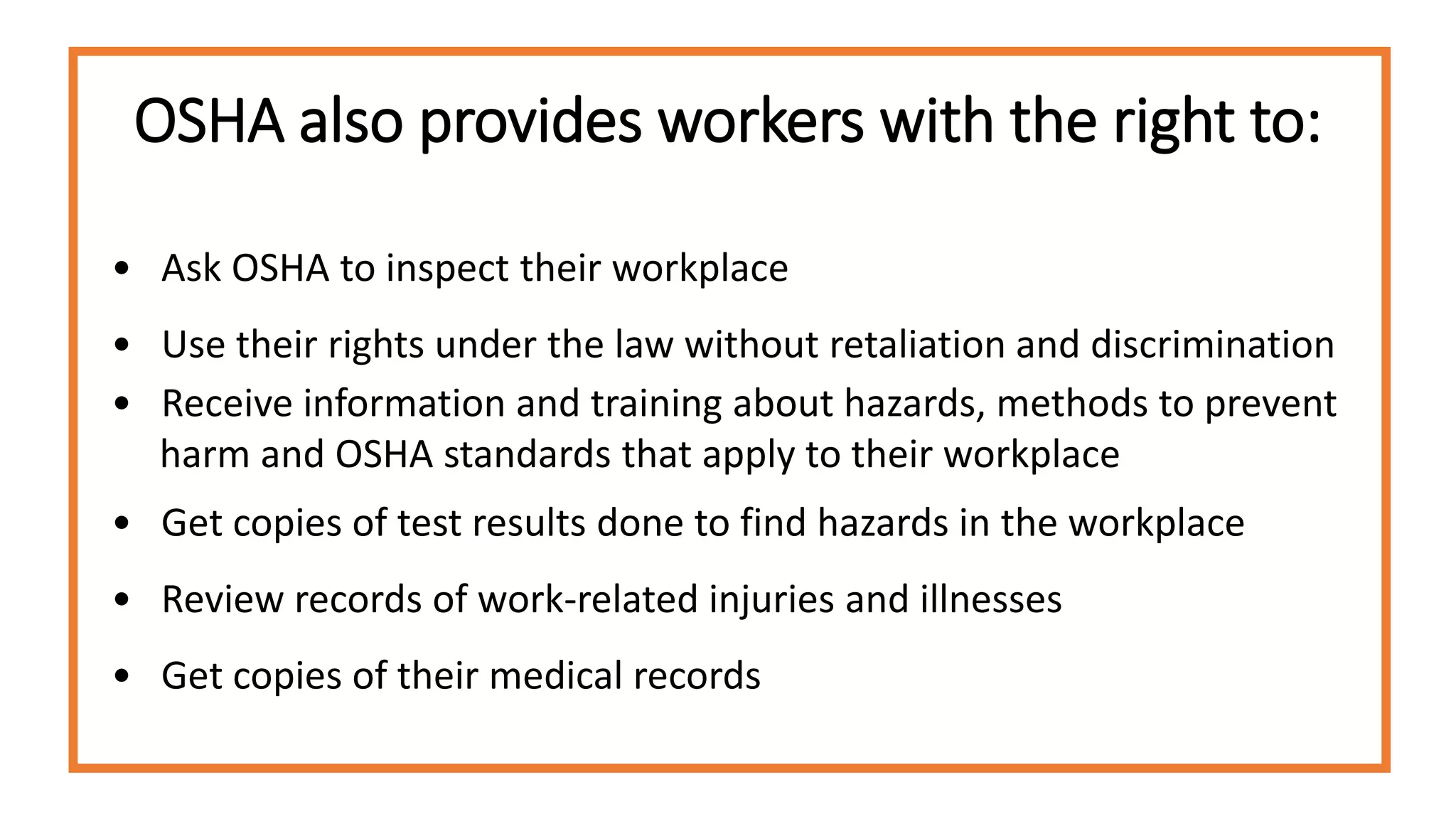
Federal law gives Big Lots workers the right to a safe workplace and the right to speak up about hazards without being punished or treated unfairly. OSHA says that protection covers more than complaints after an injury. Workers can report a spill, a missing machine guard, a broken ladder, heat in a poorly cooled stockroom, or clutter that blocks a loading path before anyone gets hurt.
If you are injured or exposed to danger on the floor, the first move is simple: get medical help, alert a supervisor, and document what happened while the details are fresh. Write down the time, the exact location, who was present, what task you were doing, and what equipment was involved. If a ladder was damaged, if a compactor area was blocked, or if a box-stacking task felt unsafe, keep a copy of your report and any photo you took. OSHA’s worker-rights pages say employees can request an inspection if a workplace is unsafe or unhealthy, and can file a confidential complaint online, by phone or by letter.
That matters in retail because injuries can linger. A 2024 retail injury report found employees missed an average of 70 days of work after an injury, and more than 60% of industry injuries involved workers under 30 and over 50. In a business like Big Lots, where freight handling, stockroom work and unloading can shift quickly during store closures and staffing changes, small hazards are easy to ignore until they are not.
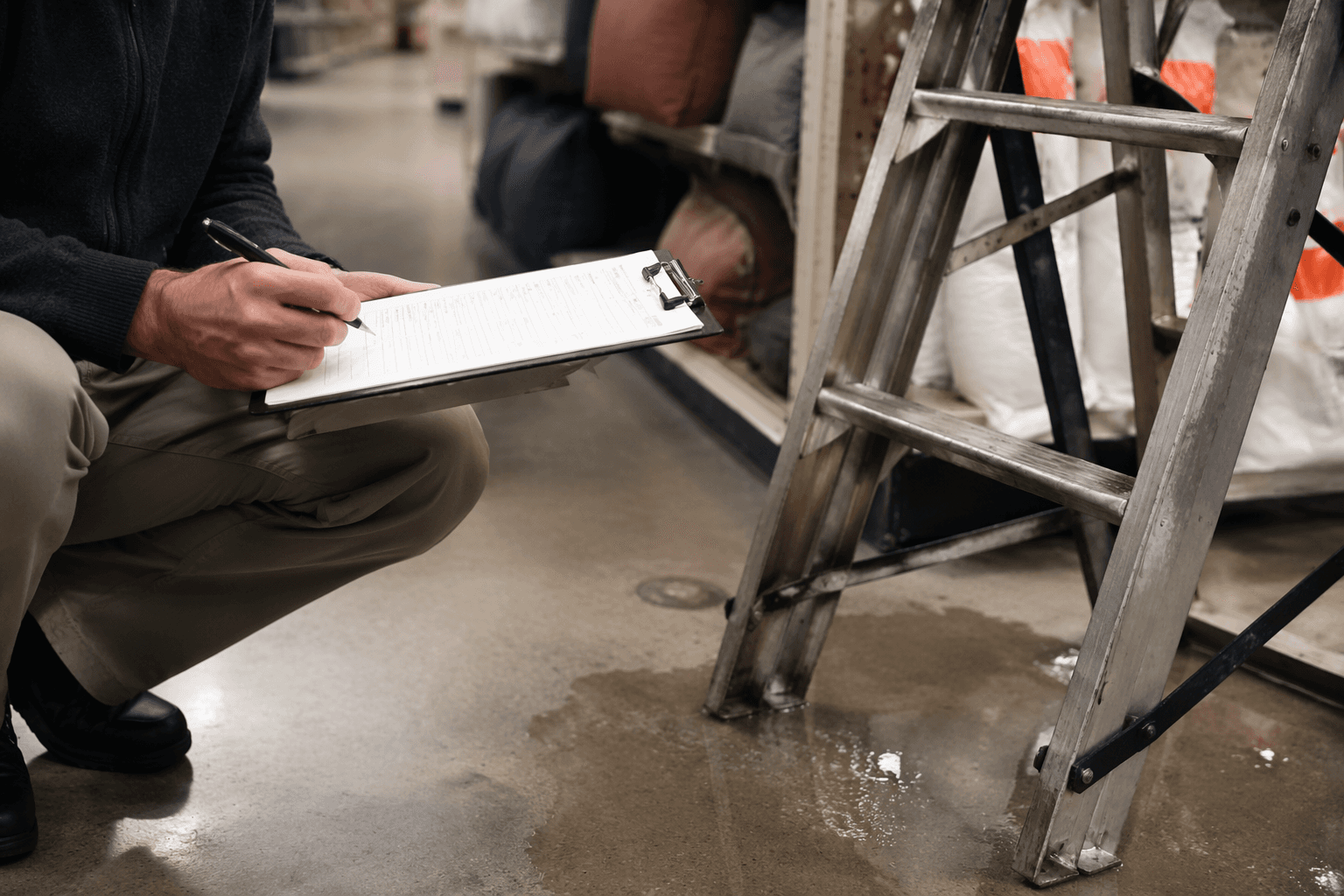
Big Lots has already shown up in OSHA records before. One public citation for Big Lots #4038 in West Babylon, New York, involved a ladder-fall hazard tied to damaged fiberglass ladders. That is a reminder that ladder safety is not a theoretical issue in retail; it is a live one.
If management brushes off a complaint, OSHA also says workers can file a retaliation complaint if they are fired, demoted, disciplined or otherwise punished for raising a safety concern. The agency’s whistleblower program covers more than 20 federal whistleblower laws, and retaliation complaints under Section 11(c) generally must be filed within 30 days of the alleged retaliation. OSHA’s public enforcement search also holds more than 3 million inspections dating to 1972, with daily updates, so workers can check whether an establishment has a history of citations.
For Big Lots, the timing is sensitive. The company filed for Chapter 11 bankruptcy in 2024, said it would close roughly 300 stores and later roughly 250 more, and reported that it operated more than 1,300 U.S. stores that year. When freight, staffing and store conditions are changing at that scale, OSHA’s message is blunt: do not wait for someone to get hurt before you speak up.
This article was produced by Prism’s automated news system from verified source data, official records, and press releases, then run through automated quality and moderation checks before publishing. The system is built and supervised by the people who set the standards it runs under. Read our full AI policy.
Did this article answer your question?