OSHA urges Big Lots to plan for indoor heat hazards
Big Lots workers can face heat danger in stockrooms and loading docks, and OSHA says a real plan starts with water, breaks and someone watching conditions.
The danger for Big Lots workers is not limited to outdoor labor. It can start in a stockroom with poor airflow, a trailer at the dock, a backroom near open bay doors, or a cart run across a hot parking lot, where heat can build before anyone notices.
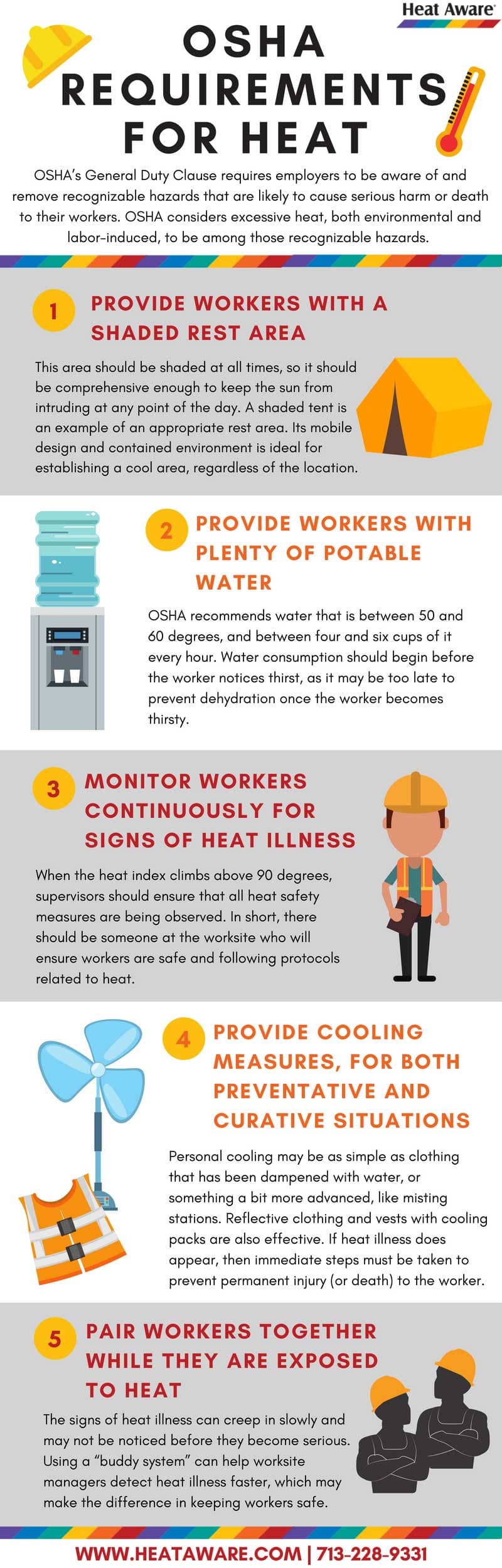
That is why OSHA is pressing employers to treat indoor heat as a workplace hazard, not a summer inconvenience. The agency says workplaces should be free from known hazards, including heat-related ones, and recommends that employers build and carry out a heat safety plan whenever indoor or outdoor work may expose people to high temperatures. OSHA says that plan should include cool water, rest, shade where possible, and training so workers know the warning signs of heat illness.
For Big Lots associates, the risk is practical and immediate. Stockroom teams unloading freight, recovery crews working long aisles, and workers near hot dock doors or uncooled sales floors can overheat during ordinary shifts. OSHA says millions of U.S. workers are exposed to heat, and thousands become sick every year from occupational heat exposure. The agency also says almost half of heat-related deaths happen on a worker’s first day on the job or first day back after an extended absence, and more than 70 percent happen during a worker’s first week.
That makes onboarding and return-to-work periods especially important. The Centers for Disease Control and Prevention and the National Institute for Occupational Safety and Health say acclimatization should be gradual over seven to 14 days for new and returning workers. In a store setting, that means managers cannot assume a new hire, a borrowed worker, or someone back after time off is ready for the hottest task on the schedule.
OSHA’s guidance also gets specific about what a prevention plan should look like on the floor. Employers should provide cool water, and for jobs lasting two hours or more, additional fluids with electrolytes can help. Management should assign someone at the worksite to monitor conditions and implement the heat plan throughout the day, adjusting controls as temperatures rise. If a worker starts feeling dizzy, weak, confused or nauseated, that should trigger a response, not a toughness test.
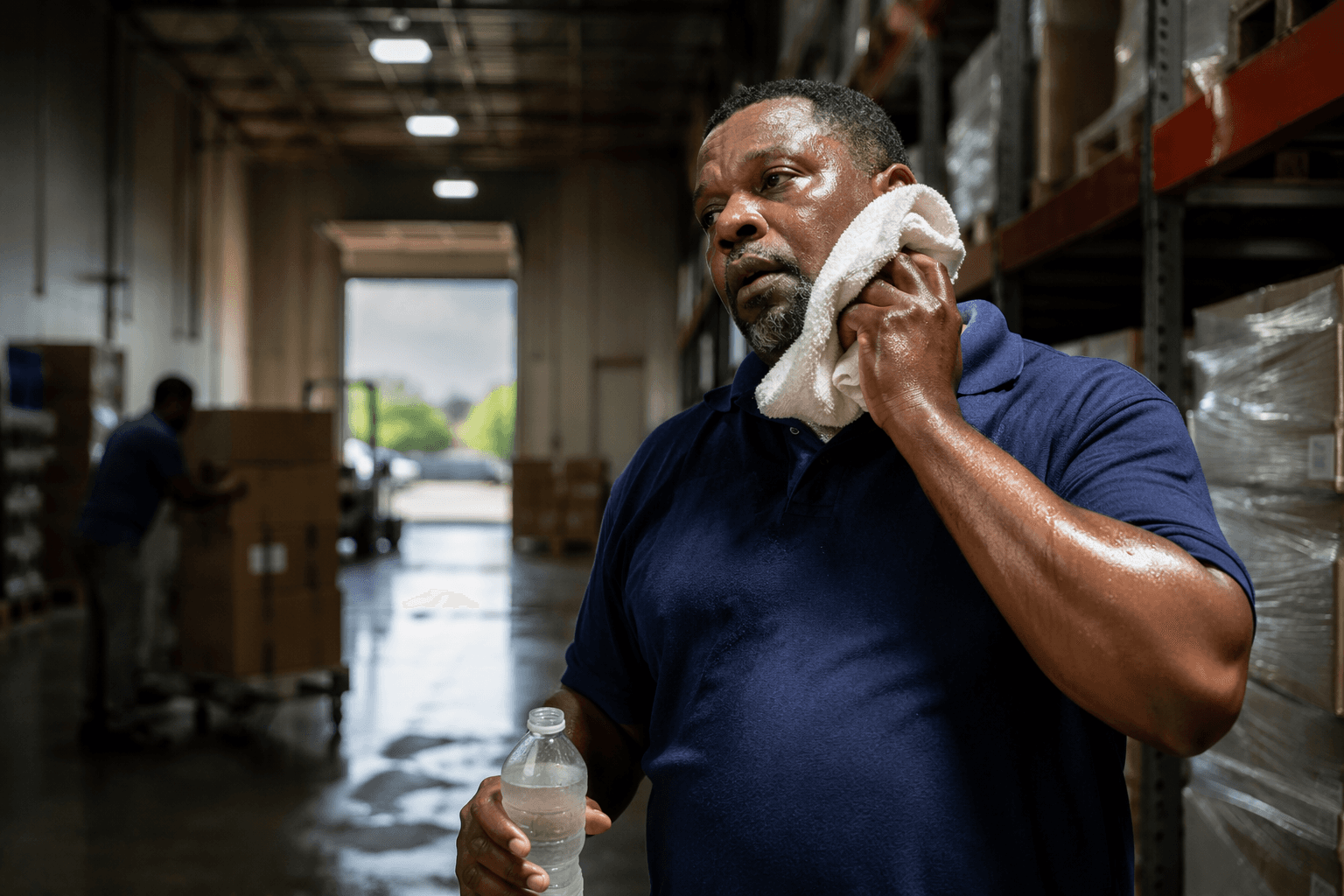
Heat stroke is a medical emergency. OSHA says signs can include confusion, loss of consciousness and seizures, and workers should call 911 immediately. That is one reason heat training matters in retail: symptoms can look minor until they suddenly are not.
The issue has sharpened as Big Lots has been through a major restructuring. Big Lots and its subsidiaries filed voluntary Chapter 11 petitions on September 9, 2024, and public reporting at the time said the company had agreed to a sale process with Nexus Capital Management LP. Big Lots’ store locator now shows 219 locations, a reminder that many workers are still doing frontline retail in a company with a changed footprint and uneven operating conditions.
OSHA also published a proposed federal Heat Injury and Illness Prevention rule on November 29, 2024, covering outdoor and indoor work settings. For Big Lots, the message is not abstract: if a store can plan for freight, payroll and staffing, it can plan for heat too.
This article was produced by Prism’s automated news system from verified source data, official records, and press releases, then run through automated quality and moderation checks before publishing. The system is built and supervised by the people who set the standards it runs under. Read our full AI policy.
Know something we missed? Have a correction or additional information?
Submit a Tip