Proposed rule could let Big Lots offer standalone fertility benefits
A proposed federal rule could let Big Lots and other employers offer fertility coverage as a separate benefit, a change that may affect job offers and retention.
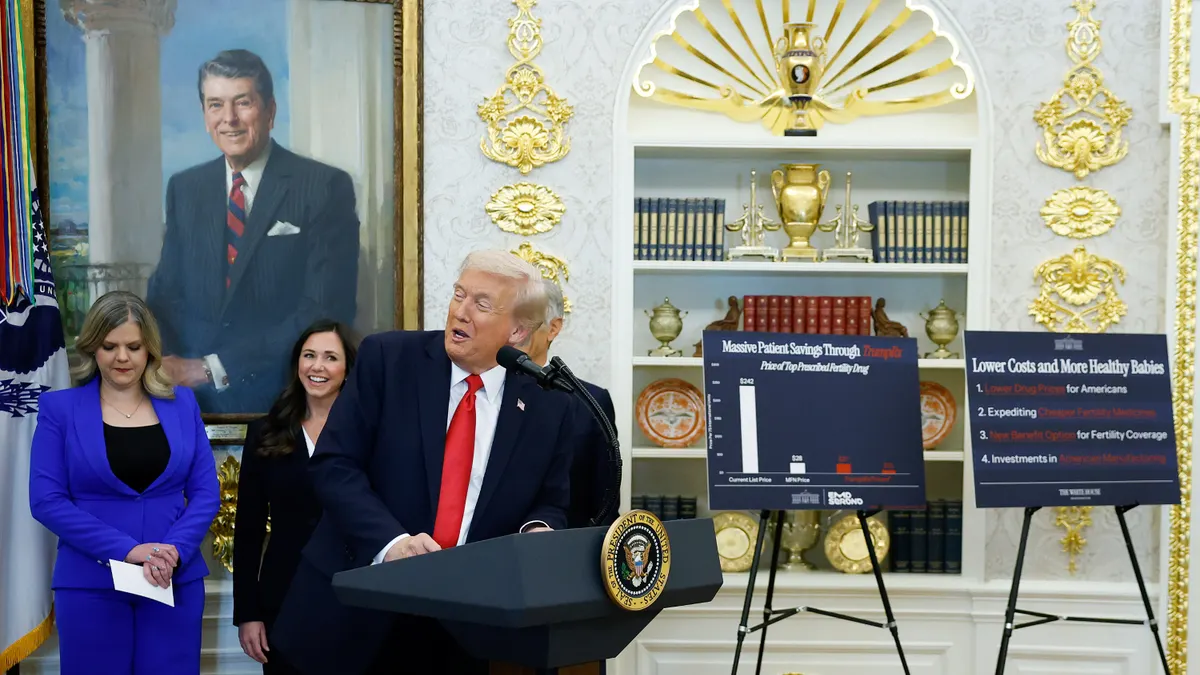
Big Lots workers could one day see fertility coverage offered like dental or vision: as a separate benefit they can use without signing up for the company’s main health plan. On May 10, 2026, the U.S. departments of Labor, Health and Human Services, and Treasury proposed a rule that would create a new category of limited excepted benefits for fertility coverage, opening a legal path for employers to offer that coverage directly.
The practical appeal is cost and access. The Labor Department says the proposal is meant to expand meaningful fertility benefits and could help workers get diagnosis, mitigation and treatment for infertility and related reproductive health conditions. It would also let employees use the fertility benefit even if they are not enrolled in the employer’s other non-excepted group health plan. For workers comparing retail jobs, that matters because a separate fertility benefit could be cheaper for an employer to add than a full overhaul of its medical plan.
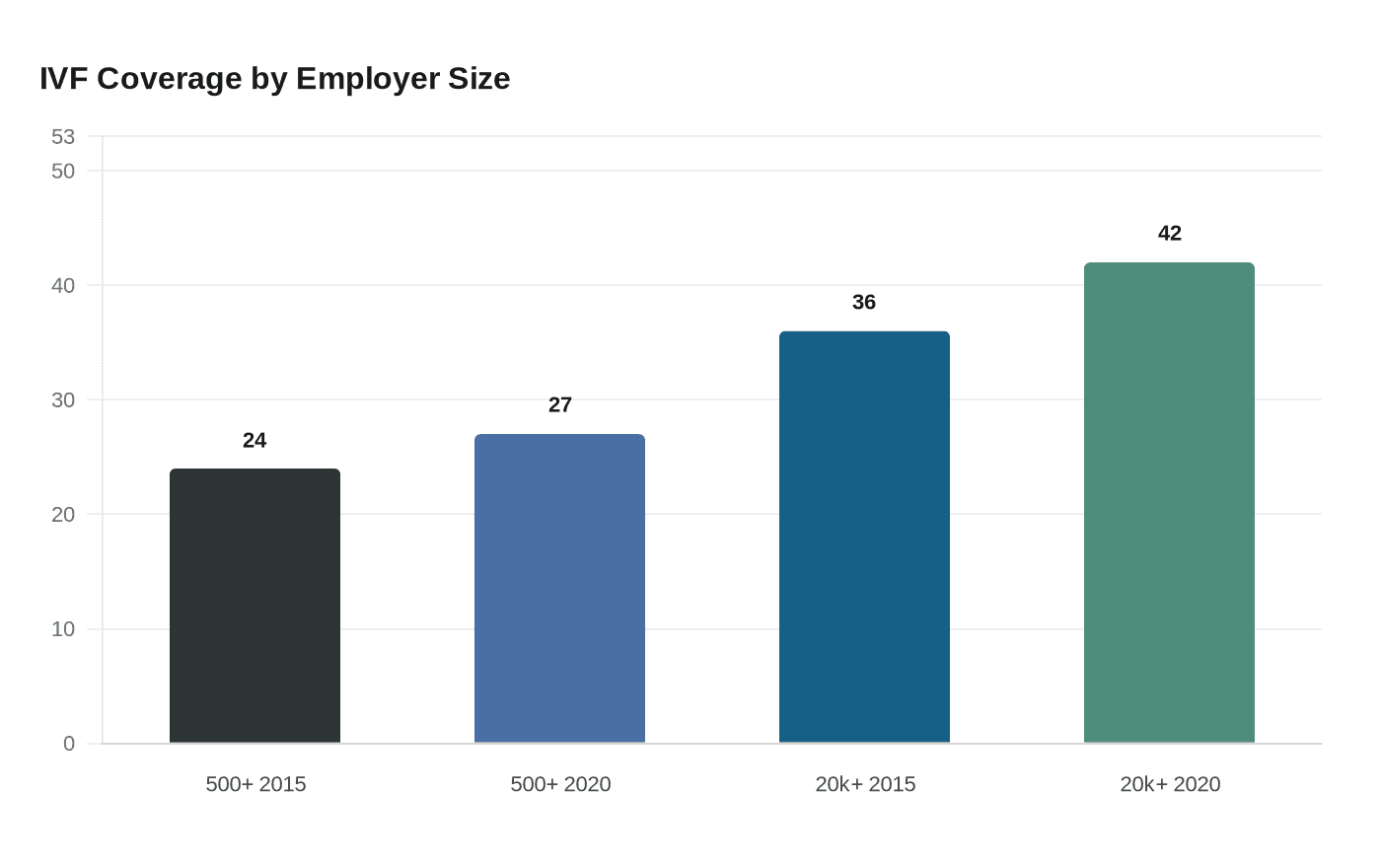
The timing reflects a real gap in the market. KFF says 27% of larger employers with 200 or more workers offer IVF coverage, while about one in eight women ages 18 to 49 say they or their partner needed fertility assistance services at some point. KFF also says cost is the single largest barrier. Mercer found the benefit has crept upward, with IVF coverage among employers with 500 or more employees rising from 24% in 2015 to 27% in 2020, and among employers with 20,000 or more employees rising from 36% to 42%.
The proposal is not a guarantee. Excepted benefits are generally exempt from many federal market rules under HIPAA, the Affordable Care Act and the No Surprises Act, which is part of what makes the structure attractive to employers. But workers should not assume anything has changed yet. Before counting on fertility help, ask HR whether the company offers any fertility coverage now, whether it is a separate excepted benefit, whether it requires enrollment in the main health plan, and what services it actually covers.
That question is especially relevant at Big Lots, where the company has been through a bankruptcy process that has reshaped its operating structure. Kroll says former Big Lots, Inc. and subsidiaries filed voluntary Chapter 11 cases on September 9, 2024, and an SEC filing in 2025 repeated that date. In a business that has been under pressure, benefits can become part of the retention pitch for associates, department leads and managers.
The broader trend is moving in one direction. RESOLVE says fewer than a fourth of large employers covered IVF for many years, and California’s SB 729 took effect January 1, 2026 for eligible fully insured large-group plans covering 101 or more employees. The federal proposal does not require Big Lots to add fertility coverage, but it gives employers a new way to do it if they decide that benefits, not just wages, are what will keep workers in place.
This article was produced by Prism’s automated news system from verified source data, official records, and press releases, then run through automated quality and moderation checks before publishing. The system is built and supervised by the people who set the standards it runs under. Read our full AI policy.
Did this article answer your question?