TJX, Ross, Target and Dollar Tree shape Big Lots competition
Big Lots is fighting four different value promises at once. TJX, Ross, Target and Dollar Tree are teaching shoppers to expect surprise finds, low prices, convenience and bigger baskets.
On August 3, 2026, Zacks Equity Research grouped The TJX Companies, Ross Stores, Target and Dollar Tree in a discount-retail industry outlook.
The competitor set Big Lots has to read
It is not a neat apples-to-apples matchup. It is off-price, mass merchant, and dollar retail all pressing on the same customer, each teaching a different lesson about value.
Zacks had already used a different mix earlier in the year, putting Costco Wholesale, Ross Stores, Target and Dollar General in an industry outlook on February 27, 2026. For Big Lots teams, the nearest competitor is often not the same from one district to the next, but shopper expectation is always being reset somewhere else.
What TJX and Ross teach shoppers to expect
TJX and Ross are the cleanest reminders that discount retail still thrives on the treasure hunt. Their model depends on opportunistic buying and rapid merchandise turnover, so the shopper learns to expect surprise finds, short runs, and inventory that can change quickly.
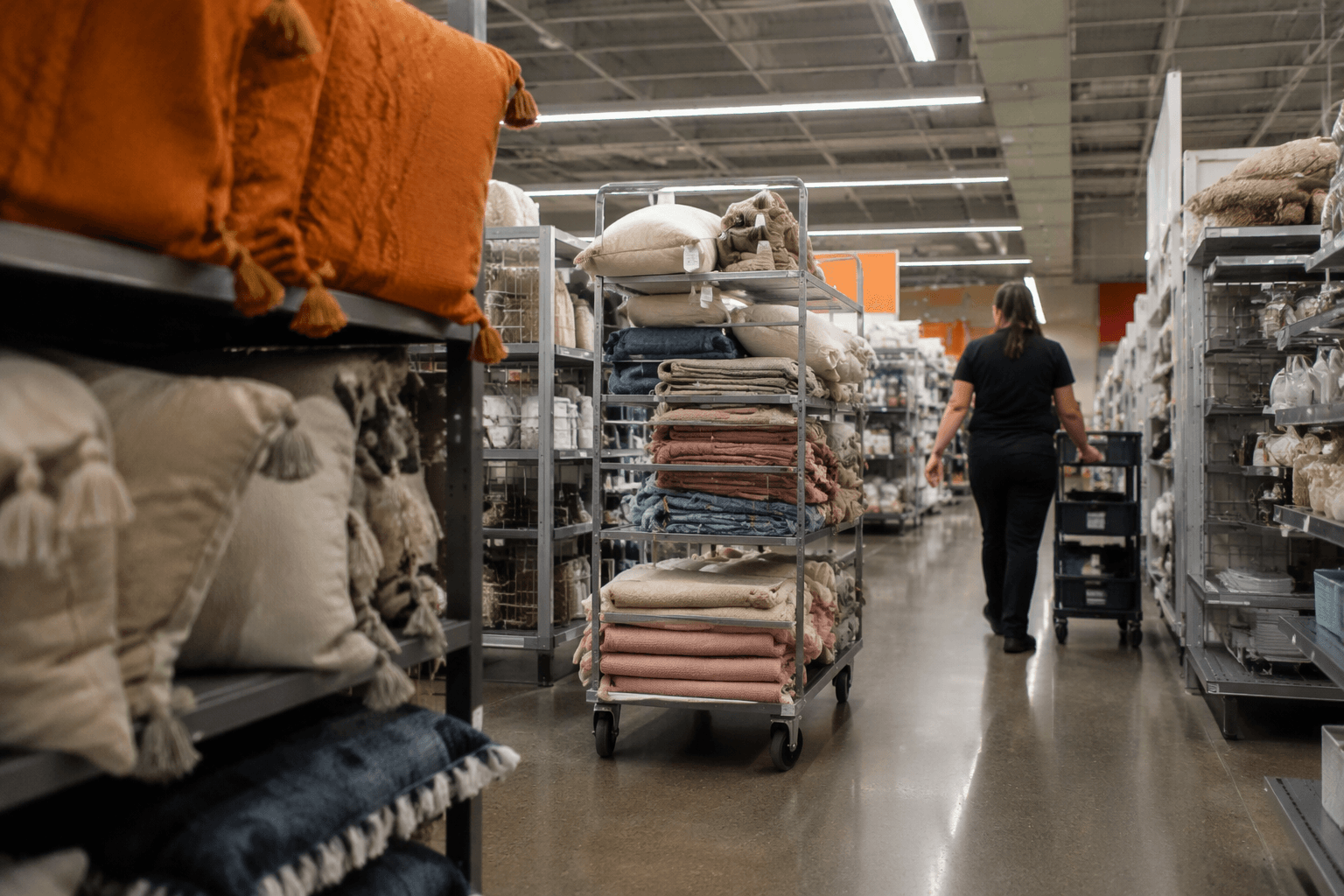
For Big Lots associates, the pressure from that model shows up in merchandising priorities. Endcaps, feature tables, and closeout stories matter because they create the sense that something new is always appearing on the floor. A slow week in traffic can hurt, but a stale floor can hurt just as much, because TJX and Ross train customers to believe that if they do not buy now, the best deal may be gone.
How Target changes the standard on convenience
Target pulls on a different lever: price perception paired with convenience. It does not need to win every item on the lowest tag if shoppers believe the trip will be easy, the store will be organized, and the basket will be broad enough to cover several needs at once. That matters for Big Lots because it puts pressure on execution, not just markdowns.
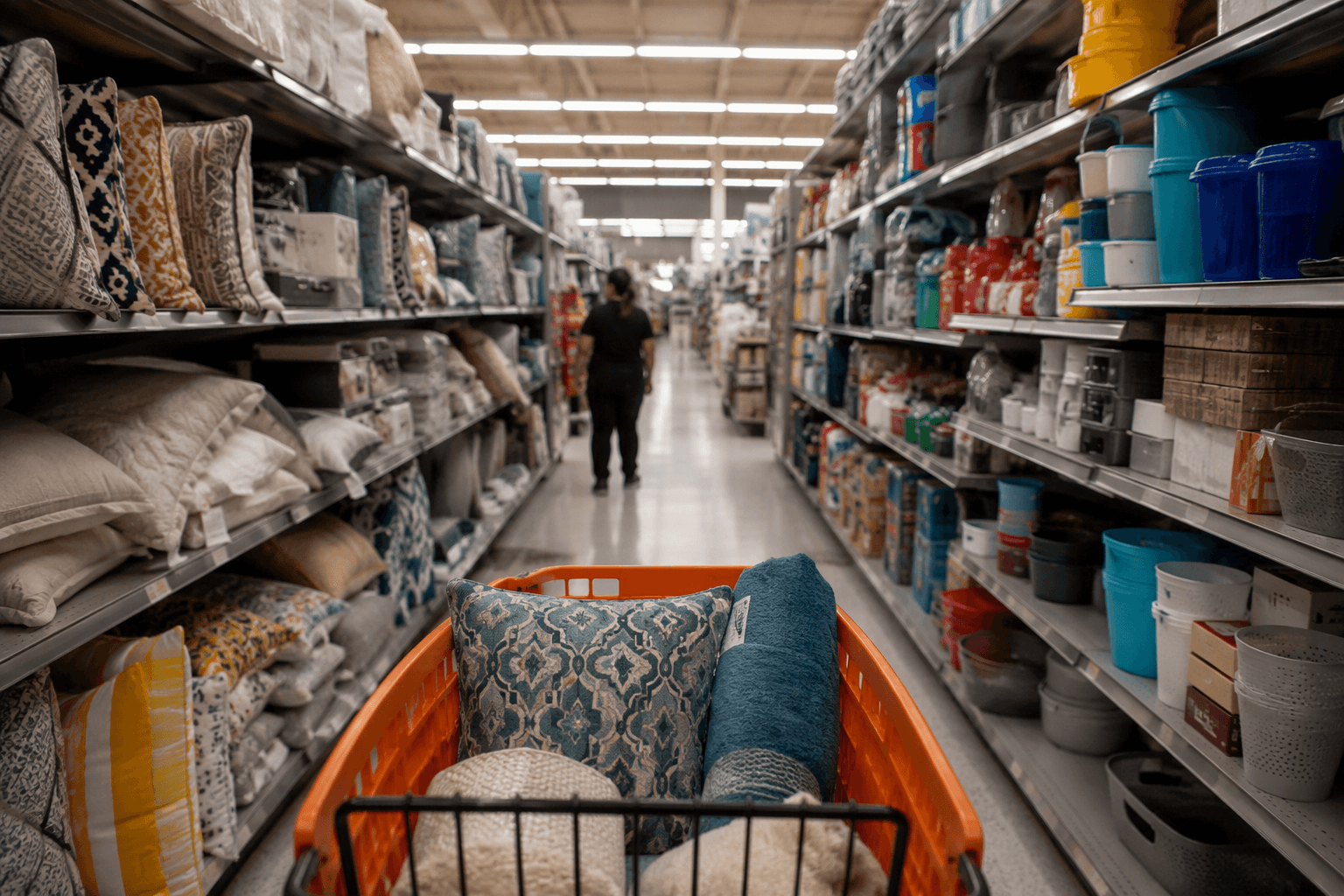
In practical terms, that means better in-stocks, sharper local assortments, and cleaner floor presentation can matter as much as a deep discount on one item. When Target sets the expectation that a value stop can also be a convenient one, Big Lots has to defend the trip itself. Managers feel that pressure in how they allocate labor, how fast they want the floor recovered, and how much time can be spent explaining a deal versus keeping traffic moving.
Why Dollar Tree keeps small-ticket value front and center
Dollar Tree reported fourth-quarter comparable store net sales growth of 5.0%, fiscal 2025 net sales growth of 10%, and fiscal 2025 comparable store net sales growth of 5.3% in its March 16, 2026 results. The company also said it returned $1.548 billion to shareholders through share repurchases in fiscal 2025.
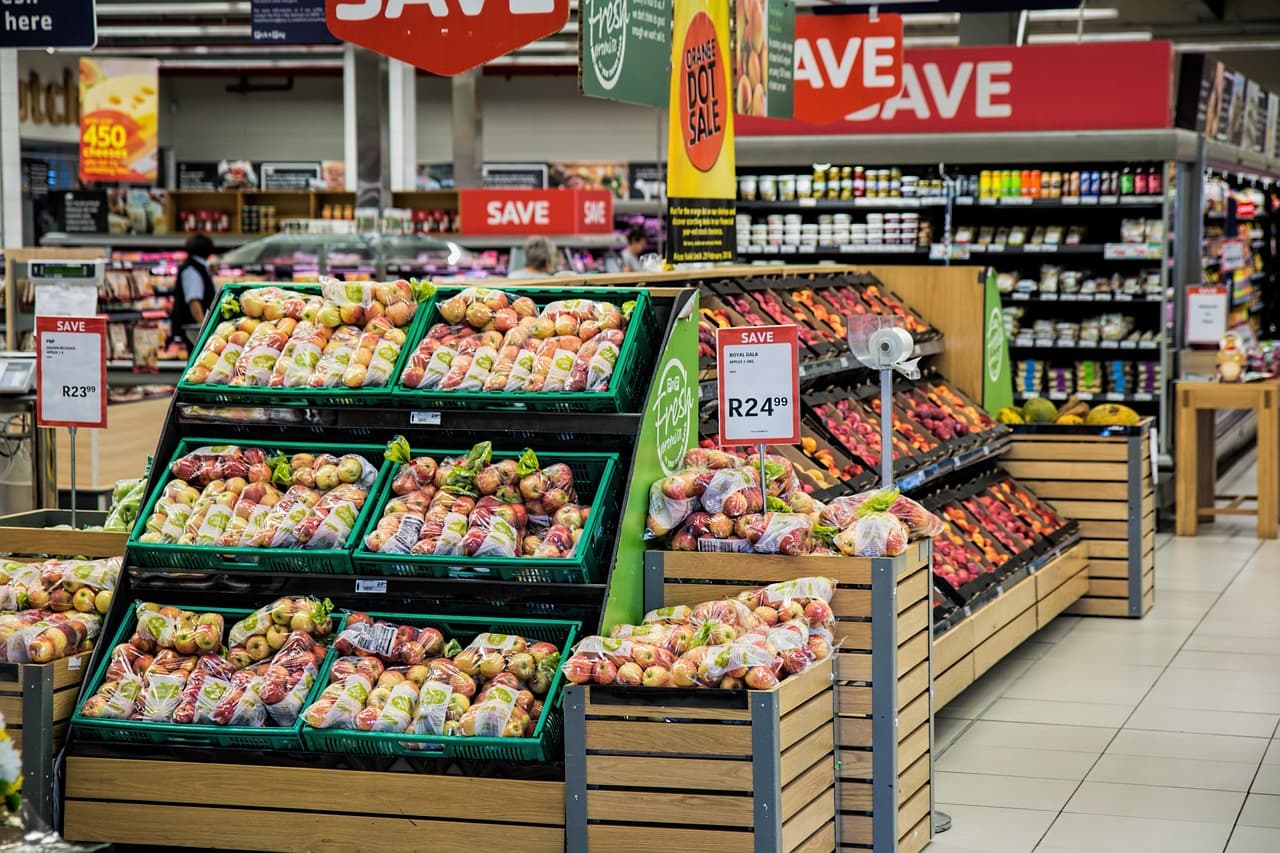
Shoppers remain sensitive to small-ticket price points and pack sizes. For Big Lots, that can affect basket size directly: shoppers may split trips, buy fewer units, or compare every basic against a lower-ticket alternative before deciding where to spend.
Where the pressure lands inside a Big Lots store
The pressure shows up in traffic patterns, basket size, and what gets emphasized on the sales floor. If TJX or Ross is pulling shoppers with a fresh mix of surprises, Big Lots has to keep its own floor feeling alive. If Target is winning with a smoother trip, the store has to make convenience visible. If Dollar Tree is the price benchmark for small essentials, Big Lots has to make its value story clear fast.
That pressure affects day-to-day work in a few concrete ways:
- Endcaps and feature zones have to work harder, because they are often the first place a shopper decides whether the trip has value.
- Associates end up explaining why a closeout is unique, while also helping shoppers compare price points across categories.
- Managers have to balance customer service with speed, because traffic can swing quickly when competitors run promotions or refresh assortments.
- Merchandising priorities tilt toward flexibility, since a value chain cannot afford a floor that looks static for long.
The wider market is still squeezing the category
IBISWorld projected U.S. discount department store revenue at $107.3 billion for 2025, with growth at -0.8%, a sign that the sector is still being squeezed by e-commerce and by competition among established chains.
By March 17, 2026, discount retailers had posted strong earnings in 2025 but expected sales to slow in 2026. Dollar Tree and Dollar General had both seen same-store sales rise last year.
Why this hits Big Lots especially hard
Big Lots filed for bankruptcy in September 2024, and the chain spent the next months in a severe store-closure cycle. On December 19, 2024, Big Lots said it would begin going-out-of-business sales at all locations after a sale fell through. On December 27, 2024, Big Lots struck a deal that could save 200 to 400 stores, and by January 23, 2025, locations were facing closure in the bankruptcy process.
By February 5, 2025, a court filing listed 200 likely stores to stay open. The Chapter 11 cases were converted to Chapter 7 effective November 10, 2025, according to Kroll Restructuring Administration. The competitive pressure from TJX, Ross, Target and Dollar Tree is landing on a company that has already been forced to rebuild its footprint, rethink its assortment, and tighten its operating model.
This article was produced by Prism’s automated news system from verified source data, official records, and press releases, then run through automated quality and moderation checks before publishing. The system is built and supervised by the people who set the standards it runs under. Read our full AI policy.
Did this article answer your question?