Costco front-end workers do more than ring up members
Costco’s front end is the warehouse’s gatekeeper, traffic cop, and pressure valve. Membership checks, receipts, and exit control shape everything inside.
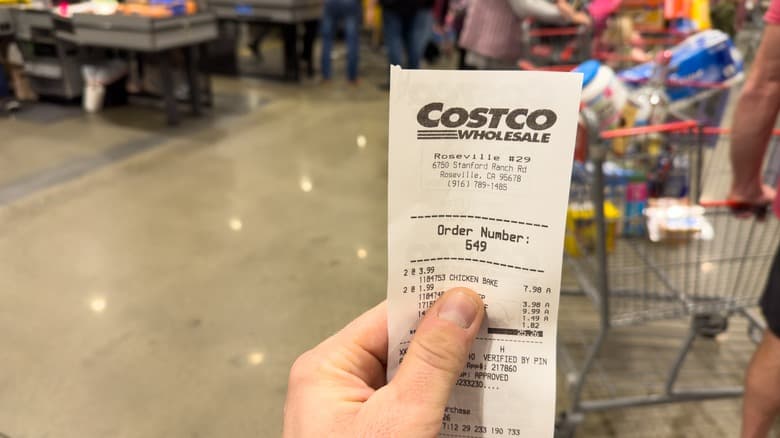
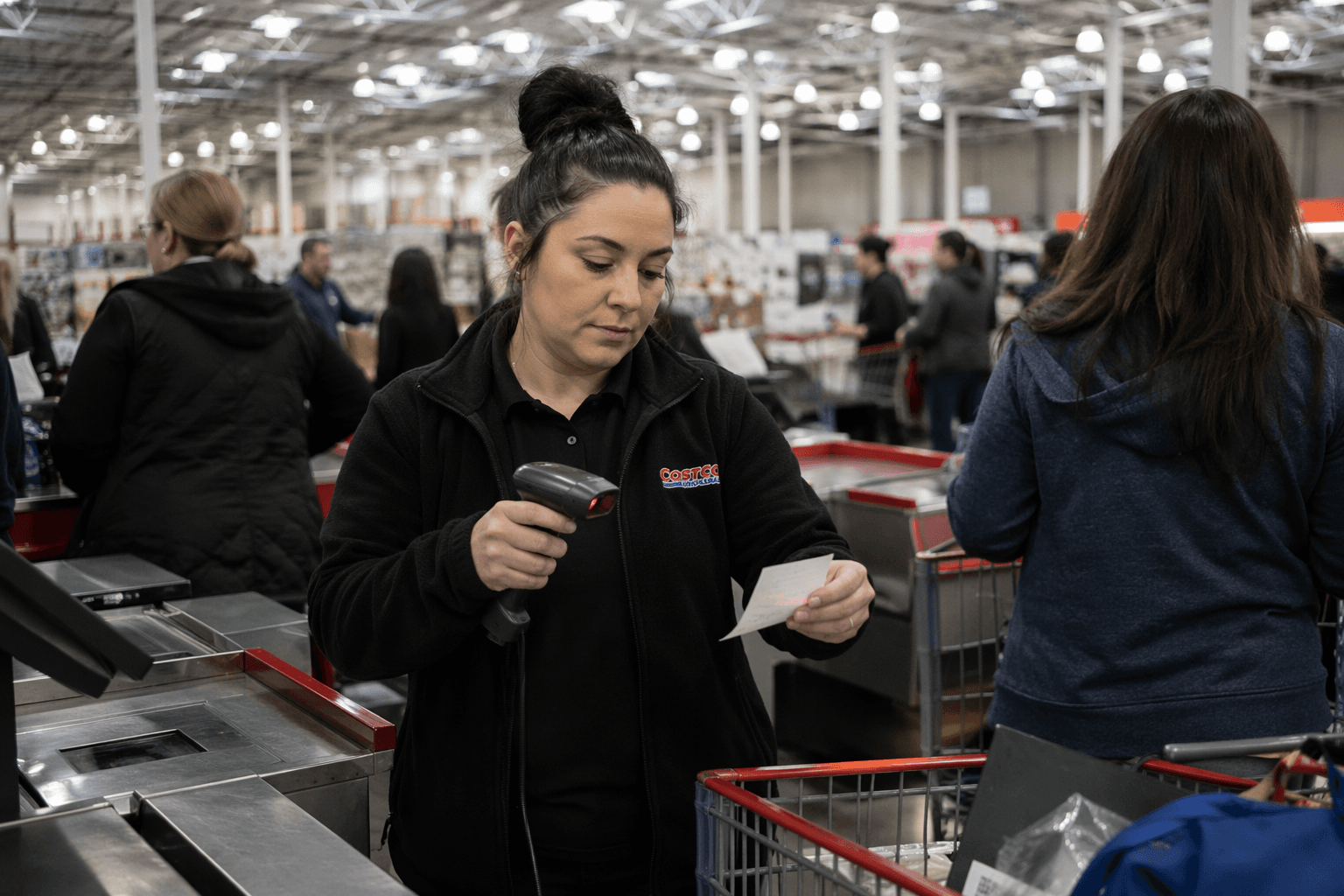
Front-end work at Costco is not just about scanning items and moving the line. Member service assistants and front-end assistants greet members, verify cards, keep entry counts, check receipts at the exit, and document safety and security checks, which makes the job part customer service and part control room. It is also where new hires often first learn the Costco rhythm, because those roles sit alongside food court, member service, and merchandise stocking as common entry-level jobs.
The front end is where the warehouse becomes operational
The work looks simple from the parking lot, but the front end is one of the warehouse’s main pressure points. Every cart, every card check, every exit receipt, and every membership question passes through a small number of hands, so the pace there shapes the rest of the building. That is why the role carries more than a friendly greeting: it sets the tone for the warehouse, watches the flow of members, and helps keep the exit process orderly.
That mix matters because the front end is where member frustration usually shows up first. Crowded carts, returns questions, card issues, receipt checks, and impatient lines all land there before they reach a supervisor or become a bigger problem. If communication breaks down at the door, the rest of the warehouse feels it quickly.
Membership enforcement is now part of the job, not a side task
Costco’s membership system is not just a billing detail. The company raised membership fees effective September 1, 2024, to $65 for Gold Star and Business memberships and $130 for Executive membership, up from $60 and $120. That makes the front end even more important, because employees are not just moving people through a checkout area, they are enforcing a paid-entry model that members have more reason to question if a card is missing, borrowed, or outdated.
That shift has also made card verification more visible on the floor. Costco has expanded card-scanning and ID checks at some locations, and the move toward digital scanning has been tied to a broader crackdown on membership sharing. For front-end workers, that means more moments where the job turns from routine service into a decision point: Is this the right card, is this the right member, and does the exit stay orderly when the answer is no?
Why the company leans on these jobs so hard
The front end matters because Costco’s business model depends on tight control of movement in and out of the warehouse. Costco Wholesale Corporation says its warehouses and e-commerce sites are built around low prices, a limited selection of nationally branded and private-label products, and rapid inventory turnover. That only works smoothly if entry, exit, and receipt checks are controlled with enough consistency that the warehouse can keep volume high without losing track of who is coming and going.
The scale makes that control even more important. Costco reported fiscal 2025 net sales of $269.9 billion, up 8.1 percent from $249.6 billion the year before. It also reported 79.6 million paid memberships, including 37.6 million Executive memberships. At that size, even small breakdowns at the front end can ripple through a building that depends on fast throughput and standardized routines.
A front-end job is often a first lesson in the Costco model
Costco’s careers guidance shows why these positions become the on-ramp for many workers. Most candidates are hired into part-time, entry-level roles such as front end assistant, food court, member service, and merchandise stocking. That structure helps explain why the front end often becomes the first place a worker learns how Costco actually runs, from member interaction to line management to the basic discipline of checking and rechecking details.
The company’s broad benefits package across many roles also matters here. It signals that front-end jobs are treated as core warehouse work, not throwaway positions that exist only to absorb turnover. For workers, that changes the meaning of the job: it is less a temporary stop and more a place where the company expects consistency, reliability, and a standard of service that can carry into other warehouse roles.
What the pressure looks like on the floor
The real skill in the front-end role is not just speed. It is calm, clear communication while multiple systems are moving at once: membership, cashier flow, exit checks, and warehouse security. A front-end worker has to keep lines moving without letting the exits become sloppy, and that balance is what turns the role into a buffer between the member experience and the building’s operating needs.
That is why the front end has hidden value for the whole warehouse. It absorbs customer-service pressure before it reaches the rest of the crew, enforces the membership system that funds the model, and keeps the line from stalling at the place where Costco is most exposed. In a warehouse built on volume, the people at the front are not standing still. They are holding the whole system together.
This article was produced by Prism’s automated news system from verified source data, official records, and press releases, then run through automated quality and moderation checks before publishing. The system is built and supervised by the people who set the standards it runs under. Read our full AI policy.
Did this article answer your question?