Costco links employee belonging and supplier diversity to business success
Costco says belonging and supplier diversity are part of how it runs the business, but its public materials leave workers without clear targets to measure progress.
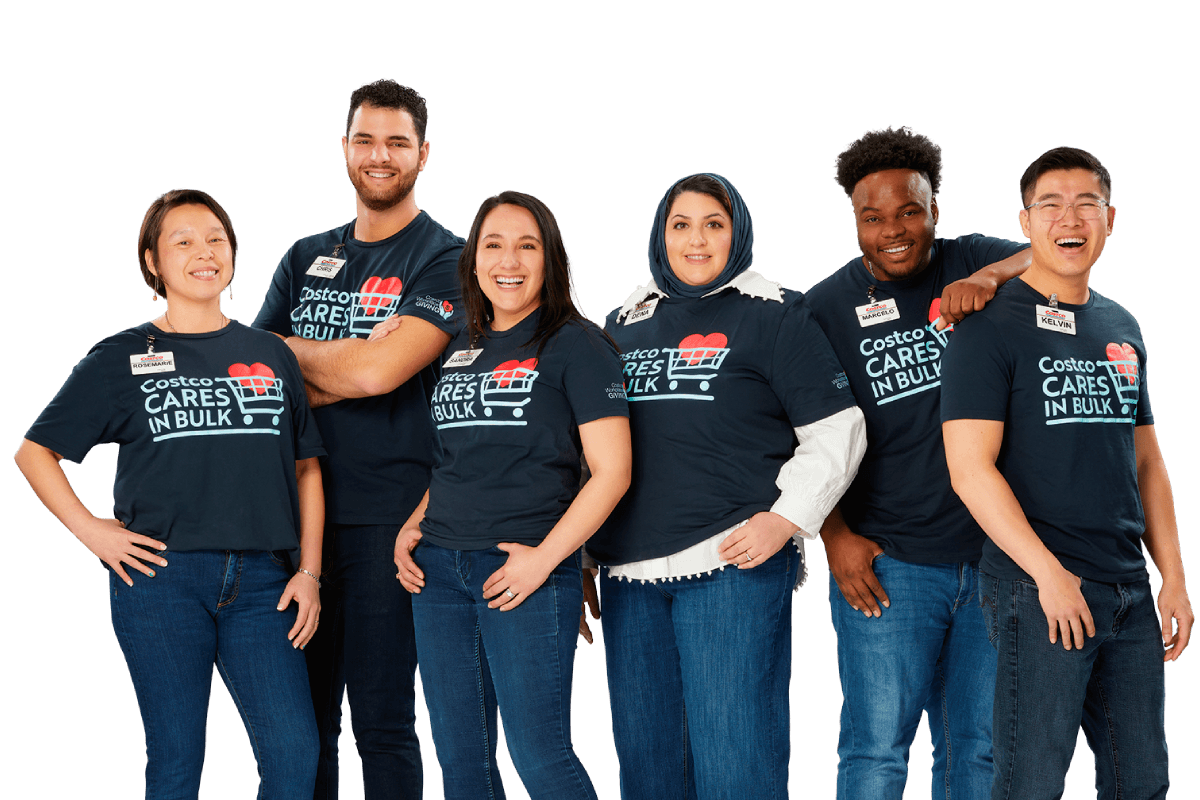
Costco is framing employee belonging and supplier diversity as operating essentials, not side projects. The company says it wants an environment where employees, members, and suppliers feel accepted, included, respected, and valued, and it ties that directly to business success, its code of ethics, and the way it manages a workforce of 341,000 people worldwide.
What Costco says inclusion is for
The clearest message on Costco’s inclusion materials is that belonging is supposed to make the business work better. Costco says its teams reflect the communities where it does business, and that the company hires employees and engages suppliers who bring different perspectives and diverse products to the warehouse floor. It also says its inclusive community team works to promote a diverse and inclusive workforce and to create opportunities for all.
That framing matters because Costco is not presenting inclusion as a separate program that sits off to the side of the business. In its own language, it is folded into the company’s operating philosophy, alongside doing the right thing, taking care of members, taking care of employees, respecting suppliers, and rewarding shareholders. For workers, that means inclusion is being treated as part of how the company expects the business to function, from hiring to merchandising to supplier relationships.
What that looks like on the warehouse floor
For front-end assistants, stockers, forklift operators, and department employees, supplier inclusion is the part of this story that shows up in the aisles. Costco says its supplier inclusion program has worked with small, diverse, and veteran-owned businesses since 2005 to evaluate and feature their products. The practical effect can be a broader mix of items in the building and a better understanding of why certain products are on the pallets or endcaps in the first place.
The company is careful to say that purchasing decisions are not made based on protected characteristics. Instead, it says it works with qualified small and diverse suppliers and partners with community organizations. That distinction matters on the floor, where product mix affects everything from pallet resets to member questions at the end of an aisle. If Costco is adding more suppliers through this program, the result is not just a corporate label, but a different assortment that employees have to receive, stock, explain, and sometimes defend to members asking why one item is in the building instead of another.
The ethics piece is part of the same argument
Costco also links inclusion to ethics, not just representation. The company’s materials connect belonging to its guiding principle of doing the right thing and to a code of ethics built around taking care of members, taking care of employees, respecting suppliers, and rewarding shareholders. In other words, Costco is presenting inclusion as part of governance, not just culture.
That same logic extends into the supply chain. In its 2025 sustainability report, Costco says suppliers in higher-risk supply chains must provide anonymous and confidential grievance reporting mechanisms for workers, with protection against retaliation. For warehouse employees, that is a reminder that Costco is trying to extend its values beyond the store, where the company’s reputation can depend on labor conditions and accountability far upstream from the loading dock.
The numbers behind the culture
Costco backs up the culture talk with some unusually sturdy workforce numbers. The company says it has 341,000 employees globally, 145.2 million members globally, more than 900 locations, and operations in 14 countries and regions. That scale helps explain why Costco treats employee inclusion as an enterprise issue rather than a single-store initiative. A policy that shapes 900-plus locations and a global membership base is not just about internal morale. It affects staffing, training, merchandising, and the consistency of the member experience.
The people page adds another important data point: average employee tenure is nine years, and more than 55% of U.S. employees have five years or more of service. In retail, where turnover often chews through staffing plans and training budgets, those numbers suggest a model built around staying power. They also help explain why inclusion is not being pitched as abstract messaging. If workers stay that long, the company has a strong incentive to make culture and belonging part of the job, not just the onboarding packet.
Costco also says it budgets 1% of pretax profits for selected charitable contributions focused on children, education, and health and human services. That does not tell workers everything about how the company spends money, but it does show that Costco is connecting its internal culture to external community investment in a structured way.
The shareholder vote turned inclusion into a governance issue
Costco’s position became especially visible during the January 23, 2025 shareholder meeting, when investors overwhelmingly rejected an anti-DEI proposal from the National Center for Public Policy Research. Preliminary results showed more than 98% of shares voted against the measure, and the Costco board of directors had recommended that shareholders oppose it.
That vote matters because it turned Costco’s inclusion stance into a formal test of governance. The proposal warned that DEI efforts could create litigation, reputational, and financial risk. Costco’s board answered that its commitment to an enterprise rooted in respect and inclusion was appropriate and necessary. For employees, the signal was hard to miss: the company was willing to defend its approach in front of shareholders, not just on a webpage.
Why workers should care about the missing metrics
What Costco does not publish on this page is just as important as what it does say. The company lays out its values clearly, but it does not give workers a public scoreboard with supplier-diversity percentages, store-by-store belonging targets, hiring or promotion benchmarks, or timelines for measuring progress. It also does not spell out how employees in specific departments would track whether inclusion is changing day-to-day work.
That leaves the page strong on philosophy and lighter on accountability. Workers can see that Costco wants inclusion to shape hiring, supplier selection, community investment, and ethics. What they cannot see is how the company plans to measure whether those promises are improving the experience inside each warehouse, from the receiving dock to the front end. The real test is whether Costco’s values keep showing up in the work itself, in the products on the floor, the length of careers it sustains, and the standards it expects from the suppliers behind the pallets.
This article was produced by Prism’s automated news system from verified source data, official records, and press releases, then run through automated quality and moderation checks before publishing. The system is built and supervised by the people who set the standards it runs under. Read our full AI policy.
Know something we missed? Have a correction or additional information?
Submit a Tip