Costco magazine spotlights meat quality and food safety basics
Costco’s meat feature is a reminder that clean, cold, well-labeled handling protects quality, cuts shrink, and keeps fresh departments out of trouble.
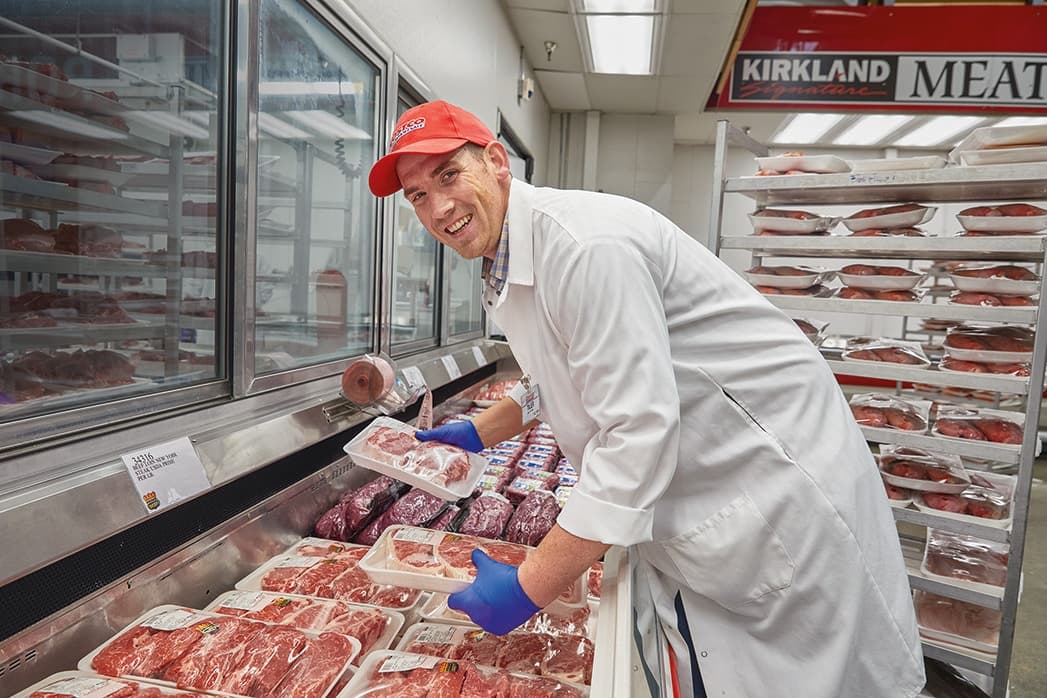
Costco’s latest magazine spotlight on meat is more than a shopping tip sheet. It points to a basic truth on the warehouse floor: quality is built after the product arrives, through temperature control, date marking, clean equipment, and disciplined handoffs in meat and bakery.
Why the meat case is also a food-safety story
The June 2026 issue of Costco Connection puts meat quality front and center with its “Buying Smart: Meat” feature, but the bigger lesson reaches beyond the aisle. In a warehouse that moves high volume through meat, bakery, deli-style prep, and display, the gap between good sourcing and good execution is where quality is won or lost.
That is why the U.S. Food and Drug Administration’s Food Code matters to frontline teams. The agency describes the Food Code as its best advice for a uniform system of provisions that address the safety and protection of food offered at retail and in food service. In plain terms, it is a practical operating guide, not just a compliance binder, and it is built for the exact environments where Costco teams work every day.
Date marking is a quality control tool, not paperwork
One of the most useful parts of the Food Code for retail teams is section 3-501.17 on date marking. It says refrigerated ready-to-eat time and temperature control for safety foods prepared in a food establishment and held longer than 24 hours must be marked so they are consumed, sold, or discarded within 7 days when kept at 41 degrees Fahrenheit or less.
That rule matters in meat, bakery, and any department handling ready-to-eat product because it gives teams a clear cutoff for rotation. It also keeps products moving while they are still within a safe window, which helps limit waste and shrink. When labels are accurate and the clock is tracked correctly, employees have a better chance of selling good product instead of throwing away product that simply sat too long.
The FDA says the date-marking guidance is intended to help control the growth of Listeria monocytogenes, a pathogen that is especially concerning in refrigerated foods. The Centers for Disease Control and Prevention notes that refrigerated ready-to-eat foods such as deli meats and salads are especially vulnerable because Listeria can grow at refrigeration temperatures. That is exactly why the label on a tray or pan is not just a formality. It is part of the safety system.
What this means on the floor in meat and bakery
For meat teams, the basics start with temperature discipline. Cold chain breaks can hurt texture, color, shelf life, and customer confidence long before they trigger a formal food-safety problem. Careful rotation, clean tools, and a habit of checking storage temperatures help preserve the quality members expect when they open a package at home.
Bakery crews face their own version of the same problem. Products move from prep to display to packaging, and every transfer creates an opportunity for contamination, labeling mistakes, or time-and-temperature errors. A cake, loaf, or ready-to-eat baked item can look perfect while still being handled poorly if staff lose track of time, mix zones, or let surfaces drift into messy condition.
A practical warehouse standard looks like this:
- Keep product cold during storage, staging, and display.
- Label ready-to-eat items clearly and on time.
- Separate raw and ready-to-eat foods whenever possible.
- Clean equipment and high-touch surfaces between tasks.
- Pull product before the date-marking window expires, not after.
Those habits reduce spoilage and complaint calls, but they also help departments move faster because fewer decisions are left to guesswork.
The old basics still govern the whole building
USDA’s Food Safety and Inspection Service keeps its message simple: Clean, Separate, Cook, and Chill. That sounds elementary, and that is exactly the point. In a warehouse with bulk volume and constant movement, simple rules are the ones that fail first when the pace gets hectic.
For Costco employees, the value of those basics is operational. Clean prevents cross-contamination from building up across shifts. Separate keeps raw product away from ready-to-eat food. Cook ensures proteins hit safe temperatures before service. Chill protects shelf life, appearance, and food safety once product is out of the heat. Together, those steps are not abstract safety slogans. They are the daily habits that keep departments from wasting labor, product, and time.
Why Costco leans so hard on training
Costco has long presented food safety as part of its internal culture, not an afterthought. A Food Safety Magazine profile from 2002 said the company had more than 38 million members and 411 membership warehouse stores at the time, along with a U.S.-based food safety staff of 16 professionals. The profile also described training as a core part of the company’s approach and quoted R. Craig Wilson saying food safety should be “invisible” to members.
That word matters. Invisible does not mean unimportant. It means members should never have to think about the systems that protect the steak, the rotisserie chicken, the prepared items, or the bakery case. If the process is working, customers see consistency, and employees see fewer emergencies, fewer waste problems, and fewer escalations from the floor.
For warehouse managers, that is where food safety becomes more than a rulebook issue. It becomes a labor issue, a quality issue, and a brand-protection issue all at once. Costco’s high-volume model depends on members trusting that what looks fresh is actually being handled correctly behind the scenes. The company’s own public messaging around meat quality only reinforces that point.
The bottom line for frontline teams
The real message behind Costco’s meat feature is that food safety protects the product before it protects the company. In meat and bakery, the difference between a good day and a costly one often comes down to whether teams kept the product cold, labels current, and surfaces clean.
That is why the rules matter on the warehouse floor. They cut shrink, reduce the chance of waste, and help employees avoid mistakes that are expensive in both money and trust. In a Costco operation built on scale, discipline is not extra work. It is the system that keeps quality intact.
This article was produced by Prism’s automated news system from verified source data, official records, and press releases, then run through automated quality and moderation checks before publishing. The system is built and supervised by the people who set the standards it runs under. Read our full AI policy.
Know something we missed? Have a correction or additional information?
Submit a Tip