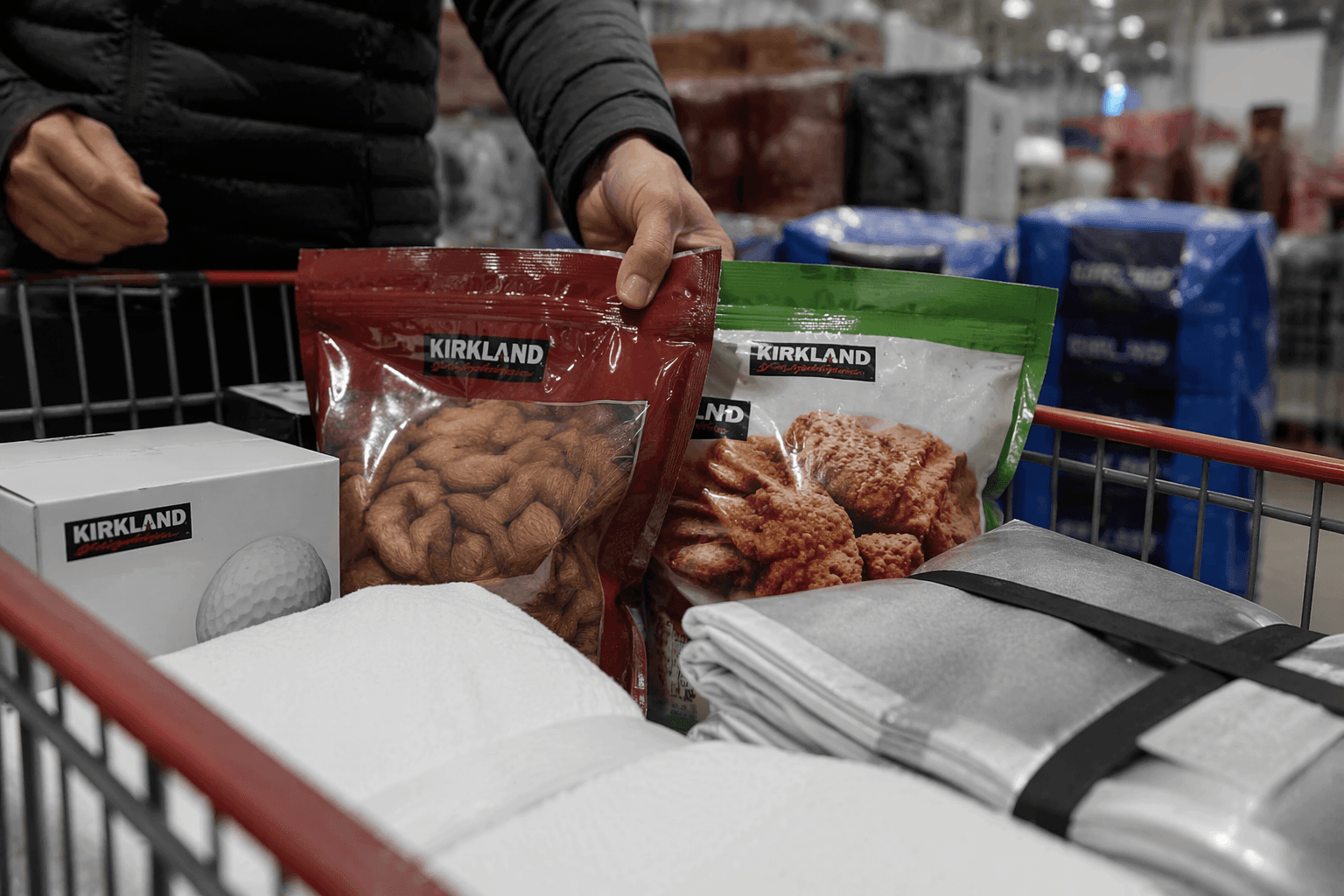
Costco special events drive fast-turn merchandise and floor setup
Costco’s 199-item Special Events page turns the floor into a short-fuse setup, where pallets, demos and member questions all move on the same clock.
A 199-item Special Events page turns a Costco warehouse into a short-fuse merchandise operation. The current page includes a Python II Home Gaming Chair with Lumbar Support ending June 14, 2026, and that kind of timing is the point: these are not just online promos, they are floor events that force receiving, staging, merchandising and member service to happen in a tighter window than normal core inventory.
Special events are built into Costco’s operating rhythm
Costco customer service tells shoppers to find the Special Events schedule on Costco.com and use the regional map to locate events in their area. That matters because it shows this is a recurring, organized program, not a random clearance section or a one-off markdown. When the company treats the program as regional and scheduled, the warehouse has to treat it that way too.
The current page makes the cadence obvious. It shows items ending on June 14, 2026 and others ending on June 21, 2026, which means the floor is carrying multiple deadlines at once. That creates a live clock for the building, with the merchandising team, front end and dock all working against product that can disappear as quickly as it arrived.
Why the floor gets busier than a normal replenishment cycle
Costco says its business model is based on low prices on a limited selection of nationally branded and private-label products, designed to produce high sales volumes and rapid inventory turnover. Special Events are a practical expression of that model. They compress decision-making around what gets featured, where it gets placed and how long it stays visible before the event window closes.
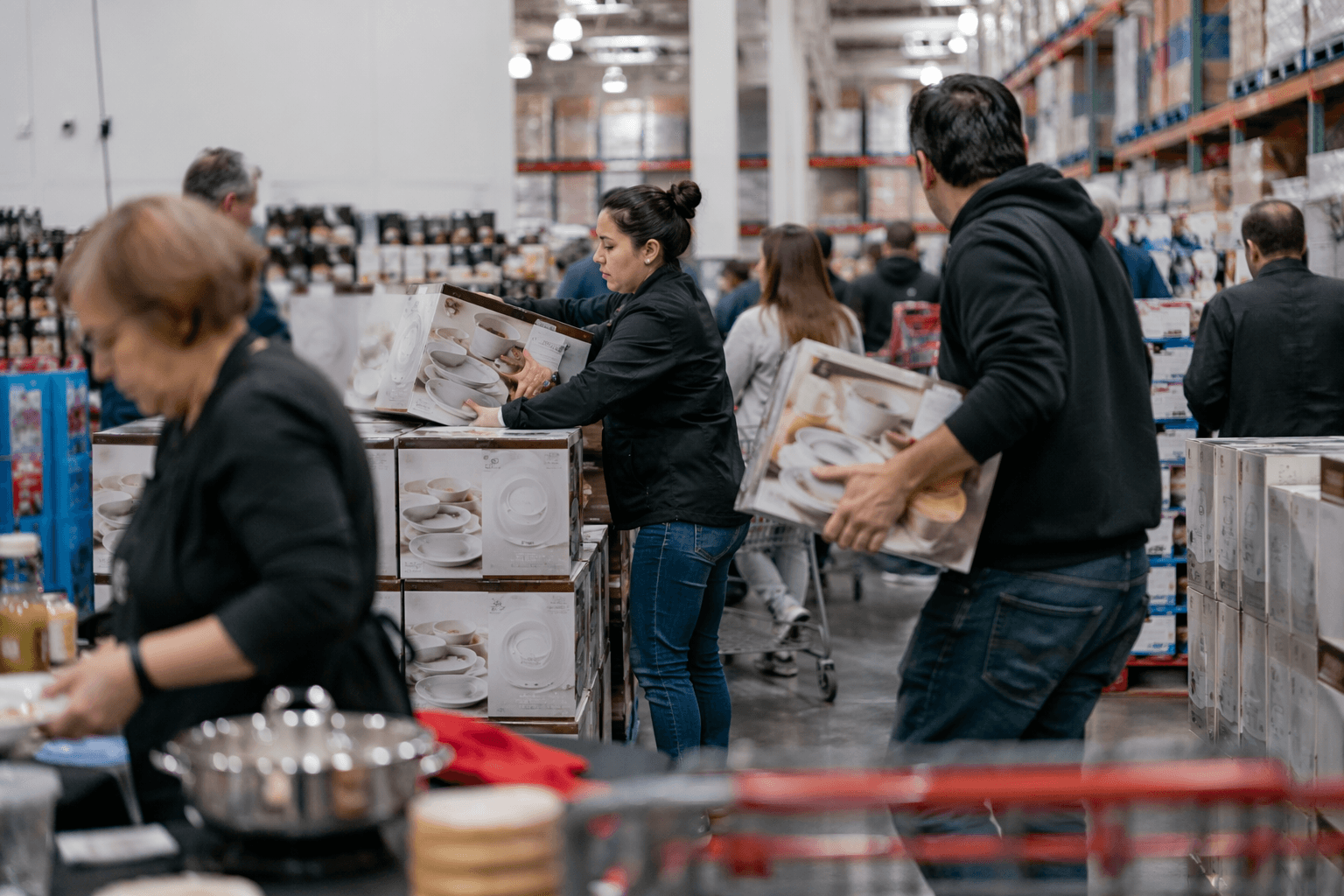
That compression changes traffic flow. Endcaps, feature tables and in-warehouse demos all become part of the same merchandising lane, so a special event is not only about putting product on display. It is also about managing how members move through the building, where they stop, and how quickly they can find the item before it sells through or expires from the page.
For workers on the floor, this is the difference between a steady day and a deadline day. Core items can be replenished on a predictable loop. Special event product has to be received, staged, pushed to the sales floor and sold through before the event ends, which creates extra pressure on back-room space and makes clean, fast execution more important than ever.
What stockers and forklift operators feel first
Stockers and forklift operators usually feel the impact before anyone else. A short-run special event can mean pallets need to move quickly from receiving to the sales floor, then out of the way again once the event is over or the display is full. If the timing slips, the result is not just a missed sale. It can mean a cluttered aisle, a blocked walkway or a display that never gets the chance to do its job.
That is where the operational intensity shows up. The event itself may last only days, but the work around it starts earlier, with staging and placement, and continues after the product has sold through, with cleanup and reset. When Costco is running roughly 199 items in the same lane, the pressure is not just on inventory control. It is on floor discipline.
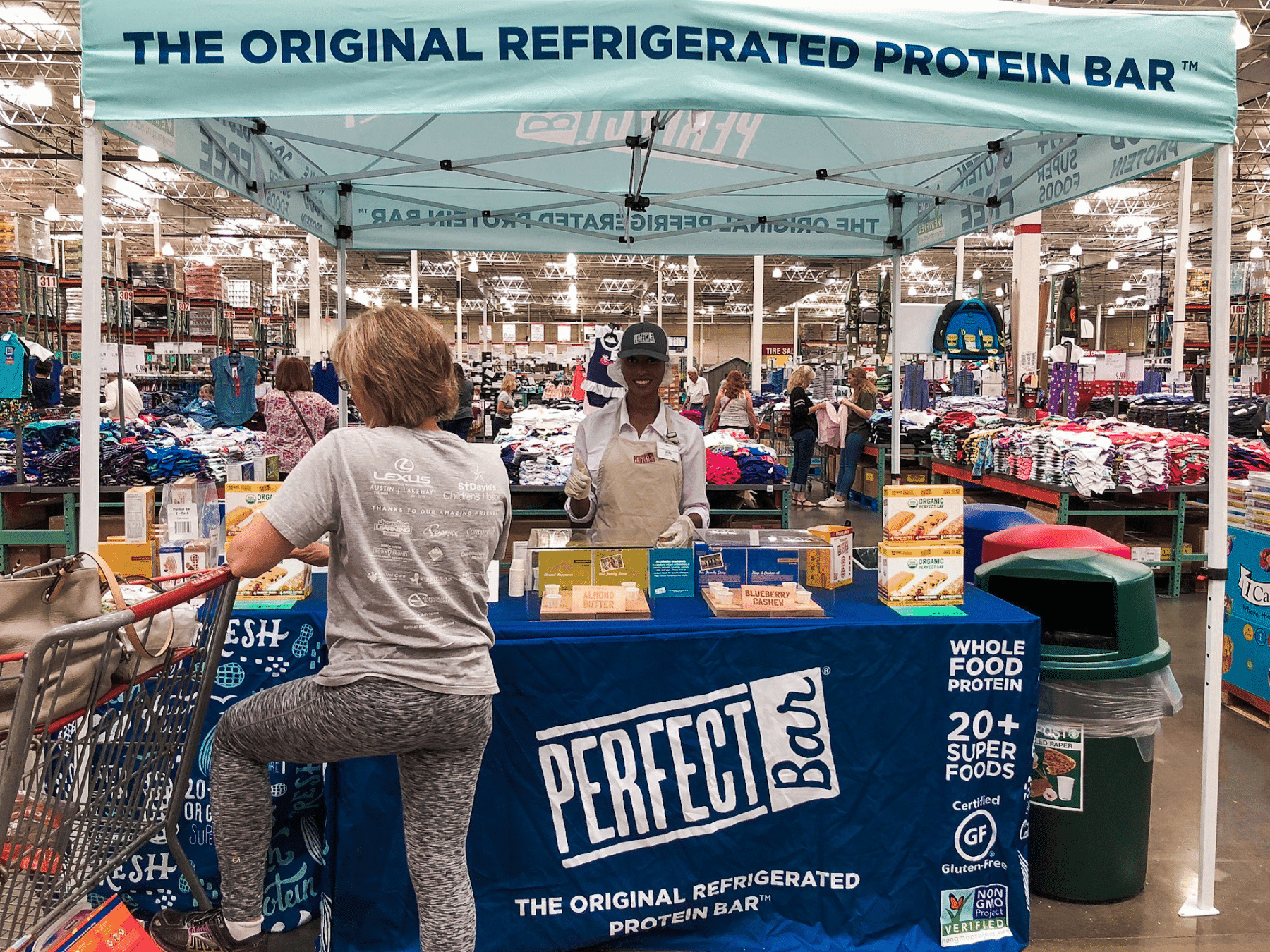
The company’s own materials on roadshows reinforce that point. Club Demonstration Services says these events take place at a Costco warehouse for a limited time, usually four days, before moving to another location. That is a very short merchandising window, which is exactly why the building has to be ready when the product hits the floor.
Front-end teams get the member questions that follow the urgency
Special Events also create a predictable wave of questions at the front end and membership desk. Members want to know why a price is only visible for a short time, whether the product is still in stock, and whether it will come back after the event ends. Front-end assistants are often the first people who have to translate a fast-changing floor set into an answer a shopper can use.
That interaction load is easy to underestimate. A special event can drive excitement, but it also creates friction when members are trying to decide quickly. If the chair, appliance or specialty item they wanted is gone by the time they reach the aisle, the conversation shifts from selling to explaining, and that takes time on a busy front end.
For managers, that means the event has to be planned as a service issue as much as a merchandising issue. Product placement has to line up with the event dates, and demos have to be coordinated with the floor layout. A missed setup can mean lost sales; it can also mean more questions at checkout and more congestion in the aisles.
Why Costco uses this format so often
The Special Events page is useful because it shows how Costco turns scarcity into a standard operating tool. The company is not just moving product quickly by accident. It is using a recurring format to spotlight rotating items, keep the selection limited and drive urgency without breaking the larger warehouse model.
That is why the special events lane feels different from ordinary inventory shifts. It is not only a merchandising change. It is a test of execution, especially in a workplace built around fast turnover, narrow assortment and constant member traffic. When the page changes, the floor changes with it.
For the people working the dock, the sales floor and the front end, the lesson is simple: special events are a time clock attached to merchandise. In a Costco warehouse, that clock drives everything from pallet movement to aisle flow, and when the event ends, the work of resetting the building starts all over again.
This article was produced by Prism’s automated news system from verified source data, official records, and press releases, then run through automated quality and moderation checks before publishing. The system is built and supervised by the people who set the standards it runs under. Read our full AI policy.
Know something we missed? Have a correction or additional information?
Submit a Tip