Costco workers’ rights to organize, overtime and schedules explained
Costco’s pay and scheduling rules matter most when the shift runs long, the calendar changes, or coworkers start talking together. Federal law protects overtime pay and collective action.
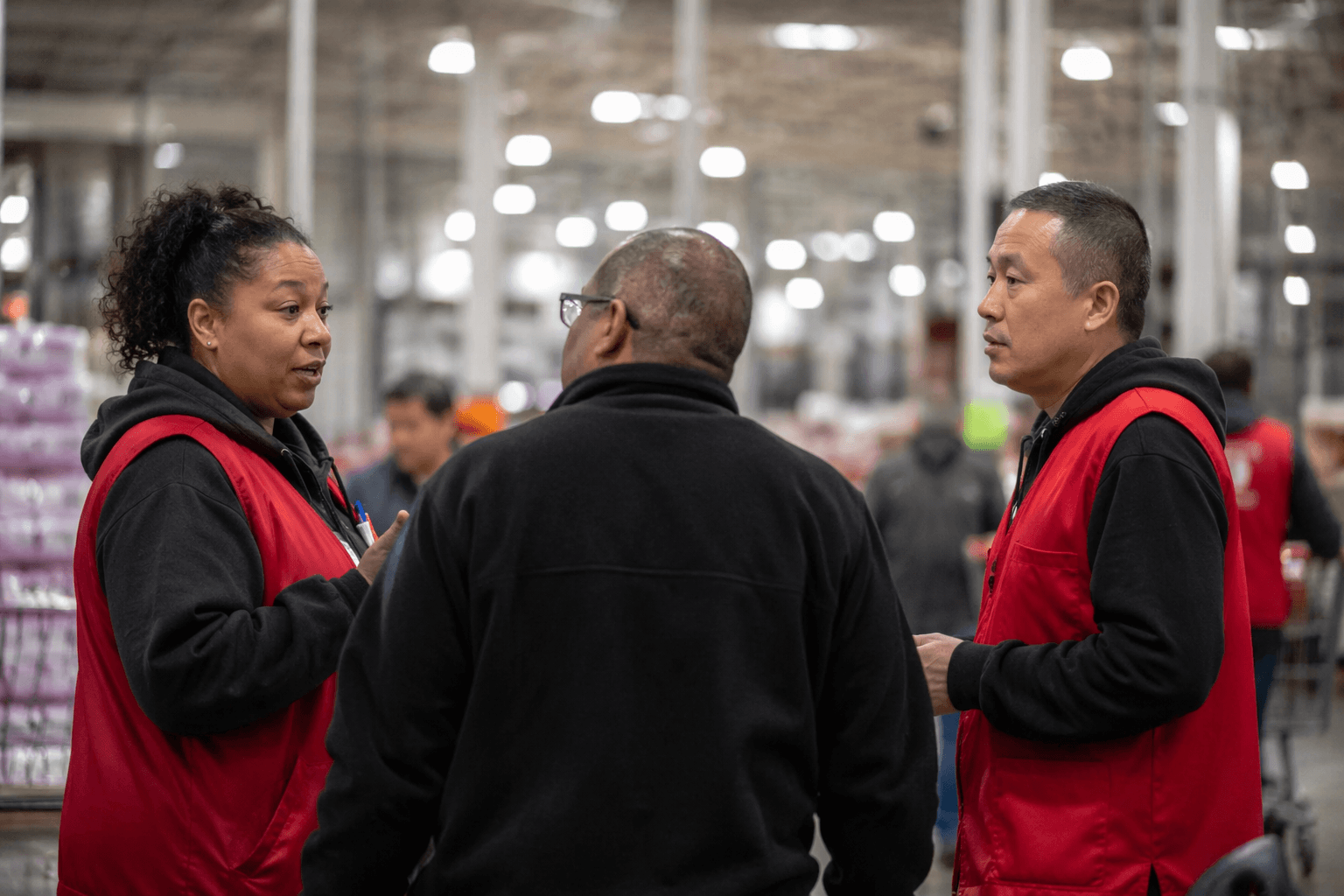
Costco’s reputation for strong wages and health benefits does not erase the basic rules of warehouse work. If you stock shelves, run a forklift, work the front end, or manage a department, three things shape your day fast: whether extra hours must be paid, whether you know your schedule far enough ahead, and whether you can talk with coworkers about working conditions without crossing a legal line.
Those questions are not abstract. A late truck, a holiday rush, or a new warehouse ramp-up can turn a normal week into a long one. A school pickup, a second job, or a medical appointment can turn an unclear schedule into a real hardship. And when workers start comparing notes about pay, staffing, safety, or schedules, they are often doing the kind of workplace organizing that federal law protects.
When the shift runs long
If you are a nonexempt employee, federal wage law generally requires overtime pay at time and one-half for hours worked over 40 in a workweek. That matters in a Costco warehouse because busy retail operations can pile up hours quickly, especially when freight arrives late or demand spikes around holidays. In practice, overtime is not a bonus to be handed out casually. It is pay you should be able to track and verify.
The first question to ask is simple: are all of your hours being counted correctly? Keep your own record of start times, end times, meal periods, and any work you do before or after the clock-out, including staying to finish a pallet, helping cover a gap, or answering manager questions after hours. If your check does not match your notes, document the difference right away and save any schedule screenshots, text messages, or shift notes that show what you actually worked.
This is especially important in a warehouse culture that runs on speed and constant movement. Costco’s wage model may be better than much of retail, but a strong hourly rate does not replace overtime pay. If you are working past 40 hours, the law still matters, and if you are a manager, so does the discipline of making sure people are not quietly pushed into unpaid labor.
- Am I nonexempt, and am I being paid time and one-half after 40 hours?
- Are pre-shift or post-shift tasks being counted as work time?
- If I was asked to stay late, did my record reflect it?
Useful questions to ask:
When the schedule arrives late or changes without warning
Costco says it guarantees minimum scheduled hours for both full-time and part-time employees, and it posts weekly schedules at least three weeks in advance. That is not a minor perk. Predictability is part of the deal, because a schedule that lands too late can affect childcare, transit, second jobs, and even whether you can accept extra shifts without blowing up your week.
For workers, the first step is to check the posted schedule against your own availability and write down any mismatch. If you were promised a set pattern, or if your hours change in a way that cuts into your minimums, raise it quickly and keep a copy of what was posted. A warehouse manager may see a schedule as a staffing tool; for the worker on the floor, it is often the difference between stable income and constant scramble.
The three-week posting window also tells you something about the company’s expectations. Costco is saying that planning ahead is part of how it keeps people and fills shifts. If your schedule keeps shifting inside that window, or if the posted hours do not match what you actually work, that is the moment to document the change rather than rely on memory later.
- What are my minimum scheduled hours?
- When was the schedule posted, and did it change afterward?
- If I was moved, who approved it and why?
Questions worth asking:
When coworkers start talking about pay, staffing, or safety
The National Labor Relations Board says workers covered by the National Labor Relations Act have the right to join together to improve wages and working conditions, with or without a union. That protection covers attempts to form a union, assist one, or even decertify one. In plain terms, the law protects collective workplace action, not just formal union drives.
That matters at Costco because the company’s labor model sits in a broader industry fight over wages, benefits, and control of the schedule. When workers compare notes about hours, staffing, or treatment on the floor, that conversation can be protected if it is aimed at improving working conditions. The key point is that you do not have to wait for a union election to have protected rights under federal law.
For employees, the practical line is this: ordinary workplace conversation is one thing, and coordinated action about workplace conditions is another. If you are talking with coworkers about pay, schedule fairness, safety concerns, or whether staffing levels are creating overload, write down what was discussed and who was involved if the issue later turns into discipline or retaliation. If a supervisor pushes back, keep the messages and note exactly what was said.
For managers, the better response is not to treat every group conversation as a threat. Workers at a high-wage employer still have the right to talk about the terms of their work. A warehouse that claims to value retention should expect those conversations, especially when bargaining tensions or strike threats put a spotlight on labor standards across the company.
What to document before the problem gets bigger
The safest habit is to build a paper trail while everything is still routine. If you wait until a paycheck is short, a schedule is changed, or a coworker is disciplined for speaking up, it becomes much harder to reconstruct what happened. Documentation is not about escalating every issue. It is about making sure you can prove the pattern if you need to.
- Weekly schedules, including screenshots if they are posted electronically
- Time records, pay stubs, and any edits to punches
- Texts or emails about extra shifts, late starts, or schedule swaps
- Notes from conversations about overtime, staffing, or workplace concerns
Keep these records:
That file can protect both hourly employees and managers trying to keep things fair. Costco’s pay and benefits may set it apart in retail, but the everyday rights that matter most are still the basics: be paid for the hours you work, know your schedule, and be able to talk with coworkers about improving the job. In a warehouse, those rights are not paperwork. They are the difference between a manageable shift and a workplace that slowly wears people down.
This article was produced by Prism’s automated news system from verified source data, official records, and press releases, then run through automated quality and moderation checks before publishing. The system is built and supervised by the people who set the standards it runs under. Read our full AI policy.
Know something we missed? Have a correction or additional information?
Submit a Tip