18-Year-Old Charged After Dollar General Robbery Kills Man, Alleged Teen Shooter
An 18-year-old was charged with murder after a robbery near a Cumberland Dollar General left a 37-year-old man dead; a 14-year-old is accused of firing the shot. The case highlights safety risks for front-line retail workers.

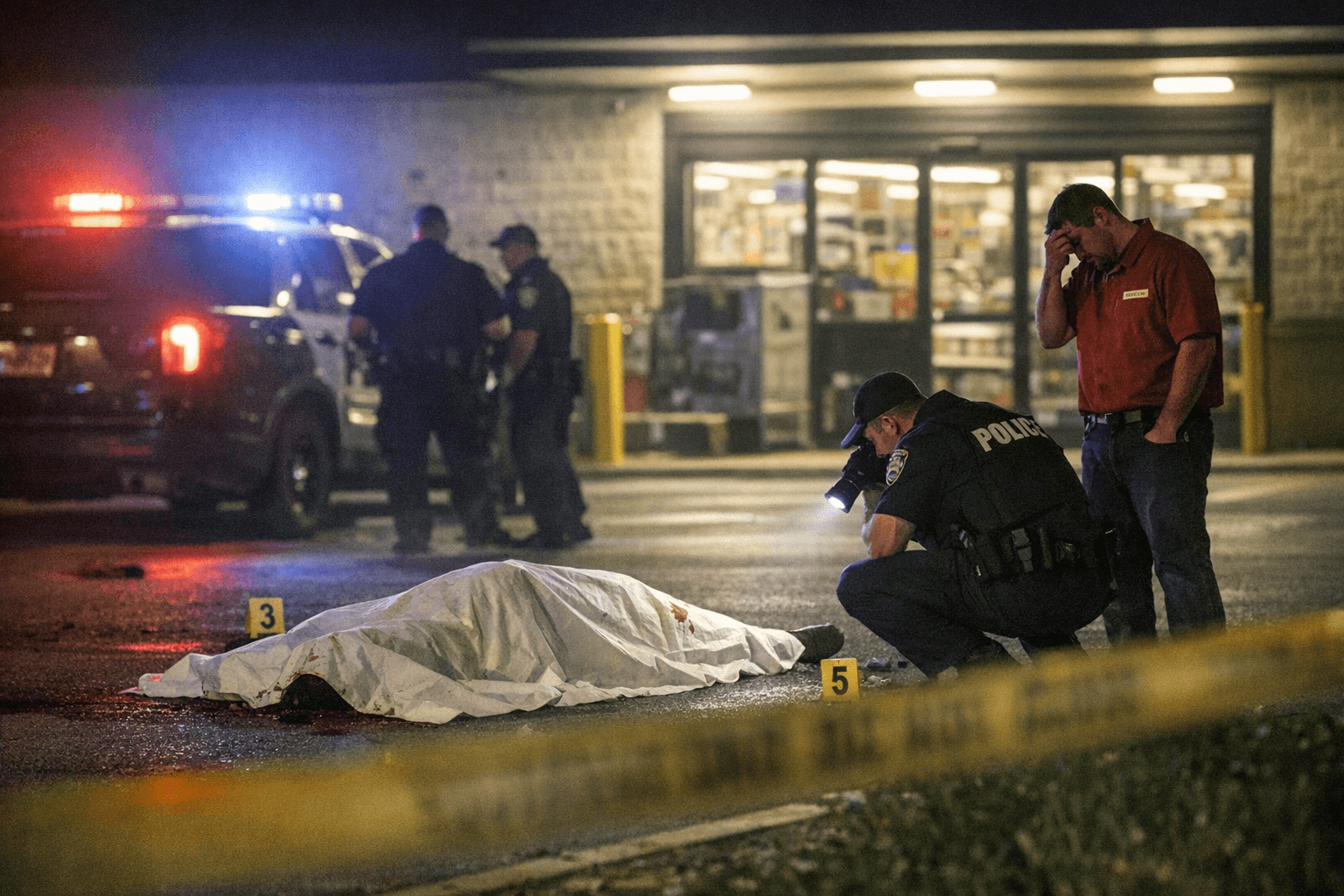
Police charged an 18-year-old with murder and burglary resulting in serious bodily injury after a robbery near the Cumberland Dollar General on Jan. 14, 2026, ended with a 37-year-old man shot and killed outside the store. Authorities say a 14-year-old allegedly pulled the trigger; the younger teen’s status in the case was not detailed in initial filings.
Officers who responded to the scene found the victim outside the store with gunshot wounds. Emergency personnel pronounced him dead at the scene. Law enforcement arrested an 18-year-old in connection with the robbery and subsequent shooting; prosecutors have filed charges and further legal proceedings are pending.
The incident occurred during a type of encounter that many retail employees fear: a robbery that escalated to lethal violence in immediate proximity to a store entrance. For Dollar General workers, who often staff small-format stores with limited security and understaffed shifts, the shooting underscores vulnerabilities that can surface at any hour. Front-end cashiers, overnight stock crews, and managers who handle robbery aftermaths are the staff most likely to be directly affected by violent incidents outside a storefront.
Beyond the immediate human toll, the shooting is likely to influence workplace dynamics and employer decisions. Store managers and district leadership commonly review policies after incidents like this, including cash-handling limits, two-person closing policies, lock-up procedures, visibility and lighting in parking areas, and security-camera coverage. Employers may also expand training on de-escalation, robbery response and emergency reporting, and they may increase outreach to municipal law enforcement for patrol or rapid-response coordination.
There are also lasting effects on employees’ well-being and retention. Workers who witness or learn of a coworker’s death face trauma that can translate into increased absences, turnover and requests for transfers. Companies can respond with critical incident stress debriefings, employee assistance programs, and temporary schedule adjustments to support grieving staff. Any decisions about staffing levels or safety investments will play out at the district and store level in the weeks ahead.
Prosecutors will move the criminal case through the courts, while company and local leaders will weigh operational and safety changes for nearby stores. For front-line retail workers, the episode is a stark reminder to review store emergency plans, keep managers informed of security concerns and seek employer support when incidents occur. The outcome of the criminal case and any changes to store practices will shape how employers and employees address safety at small-format retail locations going forward.
Know something we missed? Have a correction or additional information?
Submit a Tip