Apple store closure fight shows how retail labor disputes reach Congress
Forty lawmakers pressed Apple over its Towson closure, saying the first unionized U.S. Apple store was being singled out after organizing. For retail workers, the lesson is that a closure can become a labor fight fast.
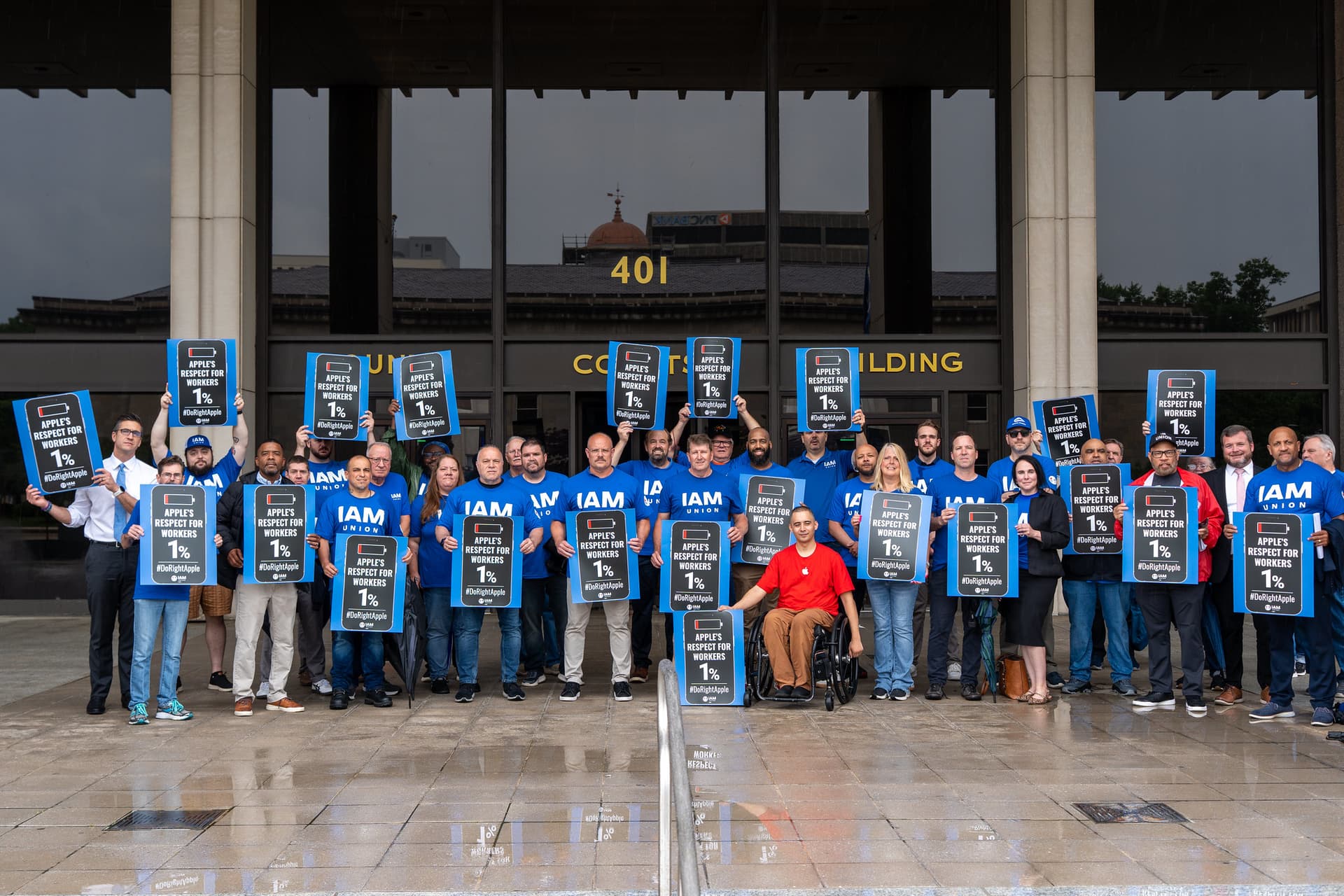
Apple’s planned shutdown of its Towson Town Center store turned into a congressional test case after 40 members of Congress urged the company to reverse course and keep open the first unionized Apple retail store in the United States.
The June 1 letter, led by Greg Casar, Ilhan Omar and Jesús “Chuy” García, came after Apple announced on April 9 that it intended to close the Towson, Maryland, location on June 20. The lawmakers said the store is a high-performing site with about 100 technologically skilled workers, and they framed the move as more than a normal business decision: in their view, it could weaken collective bargaining and other organizing rights for retail workers.
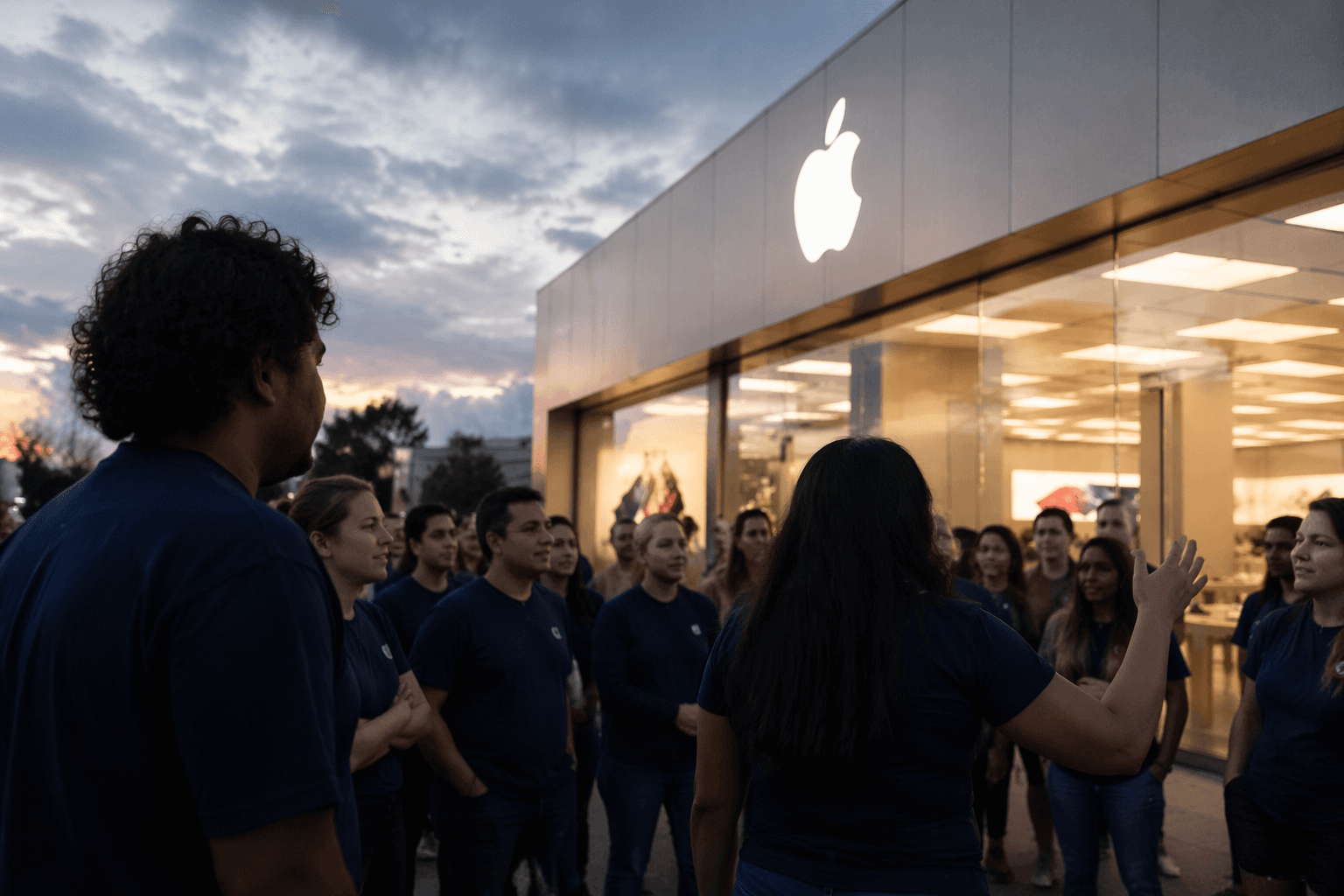
The central dispute is not just whether a store closes. It is what happens to the workers when it does. The congressional letter said Towson employees are the only Apple workers at a closing location who are not being offered direct transfers to nearby stores and instead are being told to reapply for jobs. The lawmakers said that raises the possibility of an unfair labor practice under Section 7 of the National Labor Relations Act. The International Association of Machinists and Aerospace Workers has already filed an unfair labor practice charge, and it is exploring further legal options.
Apple has said the closure stems from the departure of several retailers and declining conditions at Towson Town Center. The company has also announced closures at Trumbull Mall in Connecticut and the Shops at North County in Escondido, California for similar reasons. Apple also said Towson employees will be able to apply for open roles under the collective bargaining agreement. The contrast between those explanations is exactly why the fight has escalated: one side sees a business move, the other sees retaliation dressed up as real estate management.
For retail workers, including Dollar General associates, the practical lesson is to track the paper trail early. Store closure notices, staffing changes, transfer offers, reapplication demands, and management messaging can all matter if a dispute later turns into a labor complaint. Once lawmakers, unions and local officials start treating a closure as a rights issue, a local decision can become a national symbol quickly.
That is what happened here. Towson was the first Apple store in the country to unionize on June 18, 2022, when more than 100 workers voted to join the IAM. IAM announced a tentative agreement with Apple on July 26, 2024, and workers ratified the company’s first union contract in August 2024. Maryland lawmakers had already sent a separate letter, and Gov. Wes Moore publicly backed the workers, saying the store had been a retail anchor for the region. In a labor fight, timing and documentation can determine whether a closure stays local or becomes Congress’s problem.
This article was produced by Prism’s automated news system from verified source data, official records, and press releases, then run through automated quality and moderation checks before publishing. The system is built and supervised by the people who set the standards it runs under. Read our full AI policy.
Know something we missed? Have a correction or additional information?
Submit a Tip