Dollar General Agrees to $12 Million Settlement, Must Overhaul Store Safety
Dollar General reached a corporate settlement with the U.S. Department of Labor and OSHA in 2024 to resolve systemic store-safety violations, agreeing to pay about $12 million in civil penalties and to carry out company-wide safety reforms. The agreement requires changes that directly affect store operations and employee reporting, and it has become a benchmark in discussions about retail workplace safety and corporate compliance.
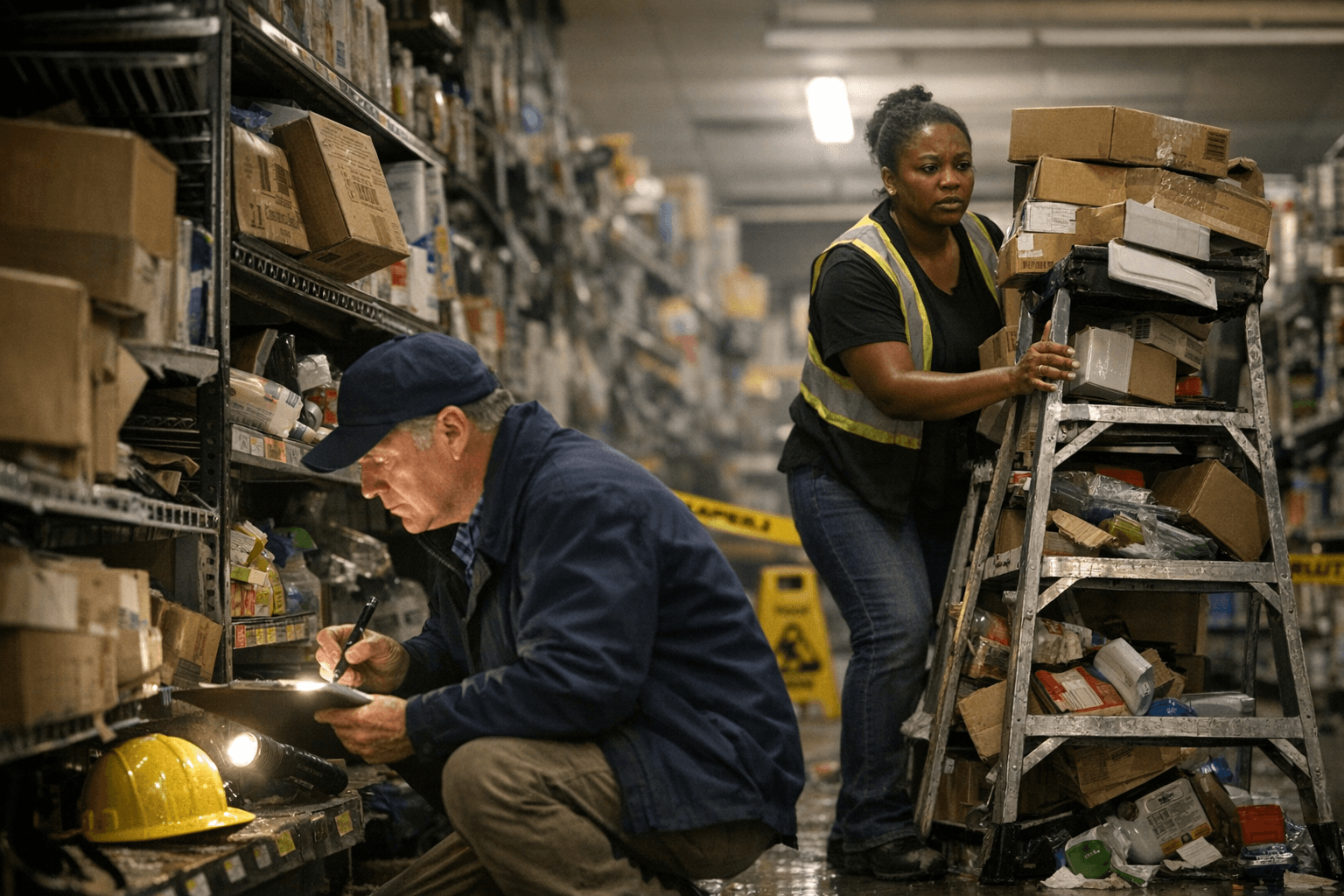
Dollar General's 2024 settlement with federal labor authorities addressed a pattern of store-level safety issues that regulators said posed risks to employees and customers. As part of the resolution, the company agreed to pay roughly $12 million in civil penalties and to implement a suite of corrective measures designed to prevent blocked exits, obstructed electrical panels, and other hazards identified during inspections.
The settlement requires the company to hire dedicated safety managers, reduce in-store inventory levels and excess stock that can obstruct pathways and emergency equipment, and expand formal safety committees and reporting channels. Those steps are intended to create clearer lines of responsibility, improve hazard identification, and give frontline workers more opportunities to report unsafe conditions without retaliation.
For employees, the most immediate effects are likely to be changes on the sales floor and in daily routines. Stores may limit how much inventory is stored on the floor and how shipments are staged, altering restocking schedules and potentially increasing the pace of receiving shifts. The addition of safety managers and expanded safety committees could give workers more access to trained personnel when they raise concerns and more formal mechanisms for follow-up. Over time, firms that adopt these remedies may reduce the frequency of injuries, compliance citations, and emergency disruptions that can affect staffing and morale.
The settlement has also become a reference point in broader conversations among labor advocates, workplace safety professionals, and other retailers. Human resources and store leaders often cite the required reforms, hiring specialized safety staff, instituting regular hazard reporting, and limiting floor inventory, as examples of the kinds of systemic fixes OSHA may seek when violations are found. For companies facing similar issues, the agreement illustrates how enforcement can lead to sustained operational changes rather than one-time corrections.
Implementing the settlement's requirements poses operational and managerial challenges. Store leaders must balance sales goals and inventory turnover with stricter controls on where merchandise can be stored and how quickly shipments are processed. Corporate HR and loss-prevention teams will need to integrate new reporting channels and train staff on escalation procedures and committee participation. For workers, the success of the reforms will depend on whether reporting mechanisms are accessible and whether management acts on raised concerns.
As retailers continue to navigate safety oversight and worker advocacy pressure, Dollar General's settlement stands as a prominent example of how federal enforcement can drive company-wide safety reforms that reshape everyday work practices.
This article was produced by Prism’s automated news system from verified source data, official records, and press releases, then run through automated quality and moderation checks before publishing. The system is built and supervised by the people who set the standards it runs under. Read our full AI policy.
Did this article answer your question?