Dollar General Case Sets Multi Year Discovery and Trial Timeline
A federal court entered a Case Management and Scheduling Order on December 23, 2025 in Rogers v. Dolgencorp, LLC, setting a multi year timeline for amended pleadings, discovery, and trial preparation. The deadlines could have operational implications for store level staffing and corporate legal and risk teams depending on discovery scope and any class certification outcome.
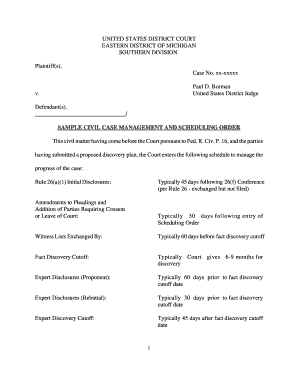
A court docket shows that a Case Management and Scheduling Order was entered on December 23, 2025 in Rogers v. Dolgencorp, LLC, Case No. 6:2025cv02080. The defendant is identified on the docket as Dolgencorp, LLC d/b/a Dollar General Store #16624. The order establishes a series of deadlines that will govern the pace of the litigation over the next two years.
Under the scheduling order, parties must file amended pleadings and join additional parties by March 20, 2026. A motion for class certification must be filed by April 1, 2026. Fact discovery is scheduled to close on April 2, 2027. Dispositive motions are due by May 4, 2027. Pretrial statements and other motions are due by September 7, 2027, and a trial status conference is set for September 16, 2027 with a jury trial term slated for October 2027.
The timing and sequence of these deadlines matter to employees and to company operations. A class certification motion may broaden the litigation beyond a single plaintiff, which could increase the number of potential claimants and expand the range of documents and personnel records that may be subject to discovery. Fact discovery obligations typically require collection and review of store level records, incident reports, scheduling logs, training materials, and surveillance footage when relevant. That process can demand time from store managers and corporate staff, and it may prompt temporary changes in staffing or administrative priorities.

For Dollar General legal and risk teams the schedule provides a framework for allocating resources, sequencing depositions, and planning motions. For store employees, the practical impacts often appear in the form of requests for time to respond to subpoenas, interviews, or custodial duties for records collection. Depending on discovery findings and any resulting rulings, the case could also influence store policies, safety procedures, or training efforts.
With key deadlines beginning in the spring of 2026, the order sets a deliberate timetable that will shape litigation strategy and operational responses. Parties and their counsel will now proceed under the court imposed schedule, and stakeholders at the identified store and within corporate functions should expect potential involvement as discovery unfolds.
This article was produced by Prism’s automated news system from verified source data, official records, and press releases, then run through automated quality and moderation checks before publishing. The system is built and supervised by the people who set the standards it runs under. Read our full AI policy.
Did this article answer your question?