Dollar General Employees Report Chronic Callouts, Scheduling Chaos and Inconsistent Enforcement
Dollar General workers described chronic last-minute callouts, shifting managers into coverage roles, and uneven attendance enforcement, hurting pay, morale and store operations.
Dollar General employees reported a wave of last-minute callouts and chaotic scheduling that left stores short-handed and managers scrambling to fill coverage. Posts in a Jan. 19-20, 2026 online thread described frequent no-shows by co-workers, managers and district leaders expected to pick up problematic shifts, and uneven enforcement of the company attendance policy.
Workers wrote that understaffing has become routine rather than exceptional. Several posters said approved holiday shifts were cut or replaced with unpredictable schedules, erasing planned hours and premium pay opportunities. Other frontline accounts described difficulty securing reliable coverage for closings and weekends, shifting operational burdens onto remaining staff and store leadership.
The discussion highlighted inconsistent discipline as a source of tension. Employees reported that some coworkers who repeatedly called out faced little consequence while others were penalized, fostering resentment and confusion about what behavior would trigger corrective action. Multiple posts also alleged that family members working in the same store were being tolerated despite company rules prohibiting nepotism, a practice that staff said further distorted scheduling fairness.
Those working the front end and in stocking roles said the effects were immediate. Short staffing increased daily workloads, delayed restocking and lengthened checkout lines, while managers who covered shifts had less time for store administration, compliance checks and employee coaching. Posters linked unstable scheduling to income volatility; last-minute cuts and unpredictable replacements reduced weekly hours for some employees and forced others into extra shifts without consistent overtime pay.
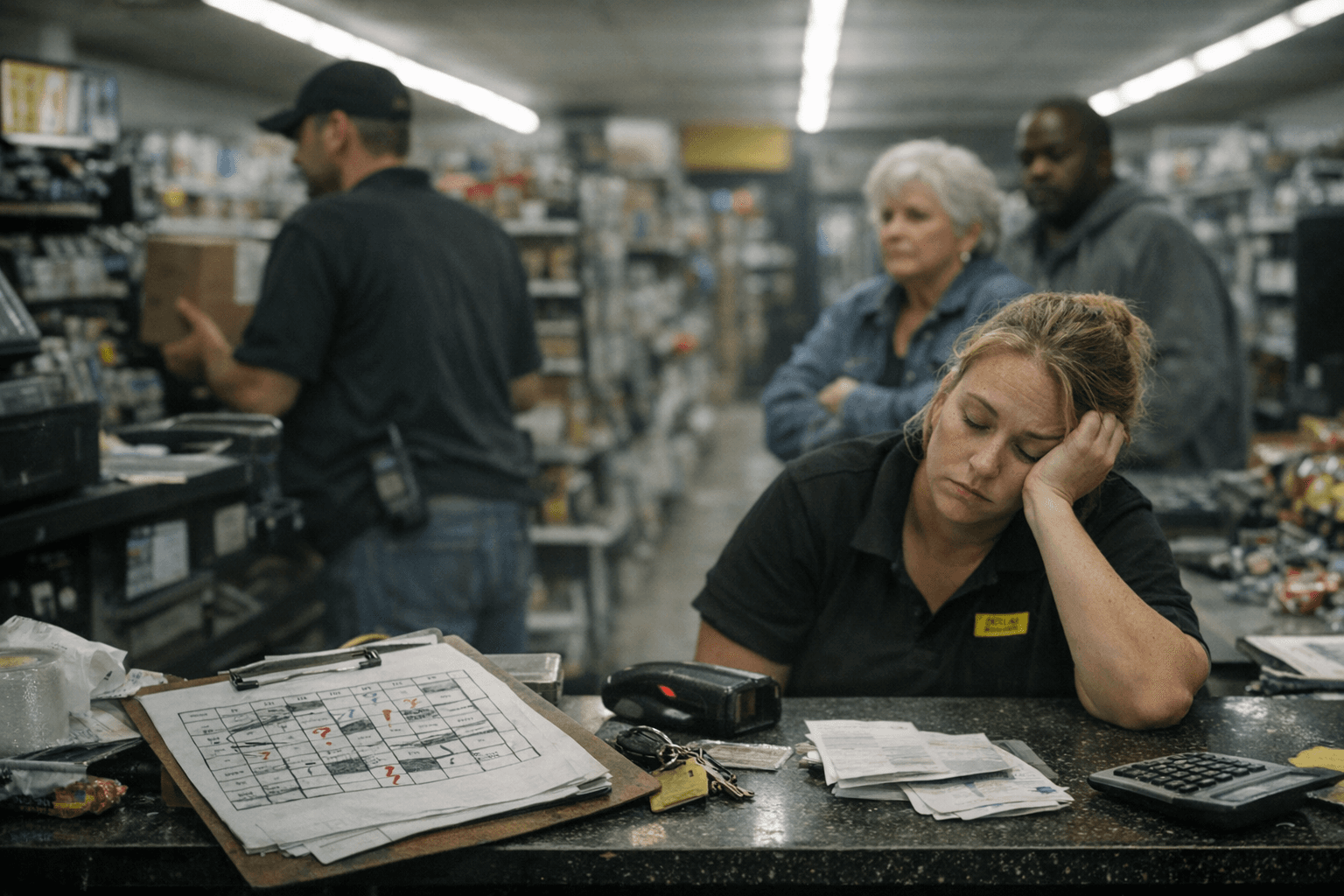
The reported problems carry implications beyond immediate shifts. Low morale and chronic overtime can accelerate turnover in stores already struggling to recruit. For managers, repeatedly filling open shifts can produce burnout and reduce capacity to handle inspections, training and emergency issues. Customers may experience degraded service and inventory gaps when consistent coverage is lacking.
Dollar General’s frontline accounts underscore a broader tension between corporate staffing models and day-to-day realities at the store level. If callouts and inconsistent rule enforcement persist, employees say scheduling will continue to be a flashpoint for disputes and a factor in retention. For workers, the practical next steps are to document schedule changes and attendance incidents and raise patterns with store leaders or district managers. The longer-term outcome to watch is whether company policies around attendance and nepotism are clarified and applied uniformly to restore predictability and fairness for employees.
Know something we missed? Have a correction or additional information?
Submit a Tip