Dollar General employees report new break surveillance policy, raising legal concerns
Multiple current Dollar General employees reported that a store level policy introduced in early December requires them to remain visible on camera during breaks and forbids sitting in cars, going outside, or using the break room normally. Workers say the rule effectively forces them to take breaks in an office under camera surveillance, a change that raises wage time, privacy, and retaliation concerns.
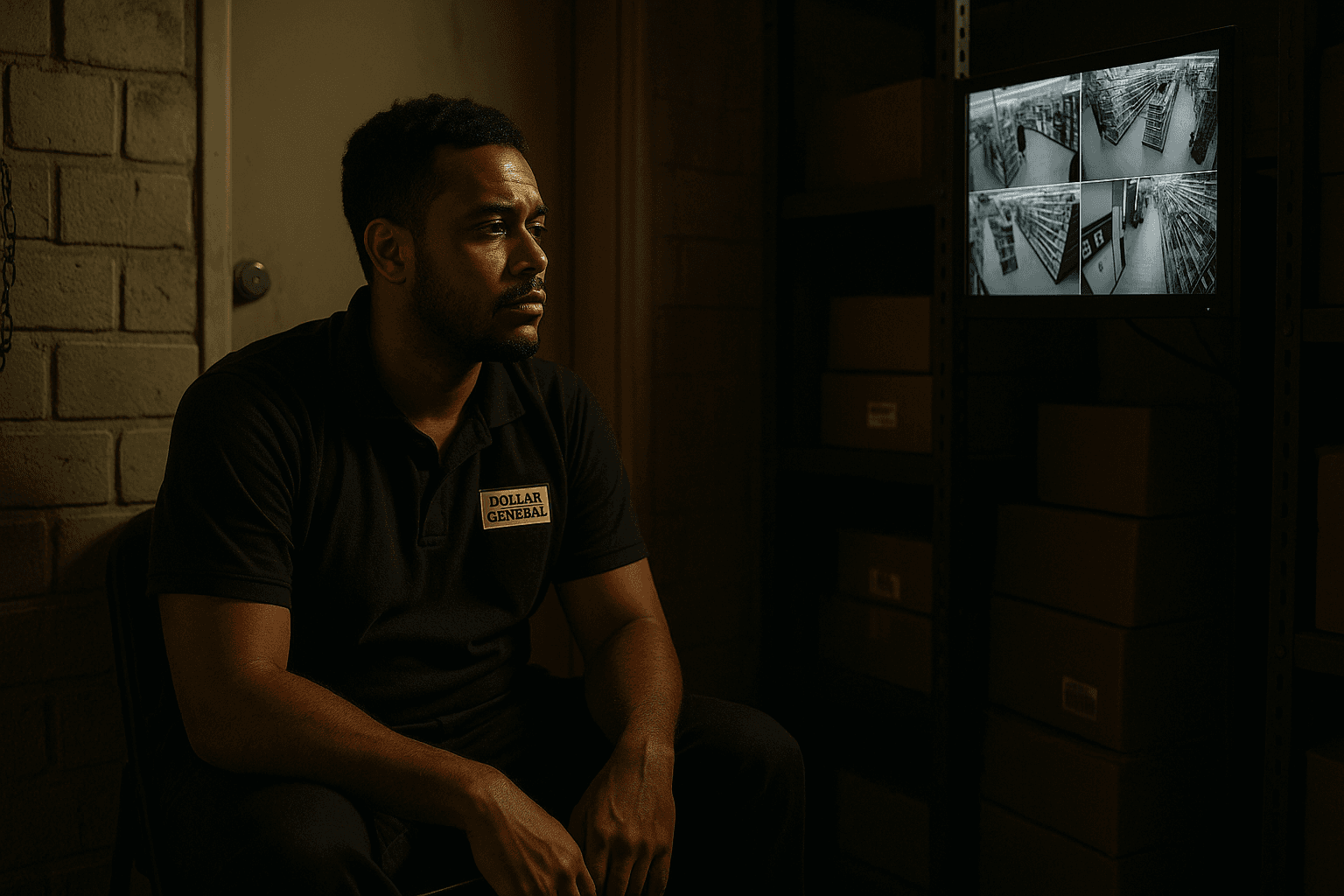
On December 11, 2025 multiple current Dollar General employees reported in an online discussion that store managers have rolled out a new break policy requiring staff to remain visible on security cameras while on break. According to those accounts, employees were told they may not sit in cars, go outside, or use the break room in the usual way, and some said managers instructed them to "watch cameras" while they were on break.
Workers described being directed to take breaks in an office space monitored by store cameras rather than in more private break areas. Several posts said the rule was implemented in early December at individual stores and that employees feared discipline if they refused or spoke up. Commenters in the discussion raised concerns about whether the requirement to remain on camera or on the premises during breaks could convert those breaks into compensable working time under wage hour rules.
The reports highlight two immediate workplace issues. First, when an employer requires employees to remain on site and available during a break, labor rules in many jurisdictions treat that time as work time rather than rest. Second, the added surveillance and limits on private space create privacy and morale concerns for front line staff who rely on breaks for rest during long shifts. Several workers said fear of retaliation could deter them from raising complaints.
Respondents in the discussion advised affected employees to document the policy and any instructions from managers, and to consult state labor laws or federal guidance on breaks and retaliation. That guidance can help determine whether a particular break is paid or unpaid and whether employer conduct may violate protections against retaliation for raising workplace concerns.
The accounts underscore how store level directives can affect daily working conditions and pay. If the practice is widespread, it could trigger questions for company human resources and wage hour enforcers about break practices, surveillance, and employee privacy. In the meantime workers reporting the change say they plan to keep records and seek clarification from labor authorities if necessary.
This article was produced by Prism’s automated news system from verified source data, official records, and press releases, then run through automated quality and moderation checks before publishing. The system is built and supervised by the people who set the standards it runs under. Read our full AI policy.
Did this article answer your question?