Dollar General foundation offers emergency aid to workers facing crises
Dollar General’s emergency foundation can help with funerals, disasters, and severe illness, but only if you meet its timing and eligibility rules.
What the foundation actually covers
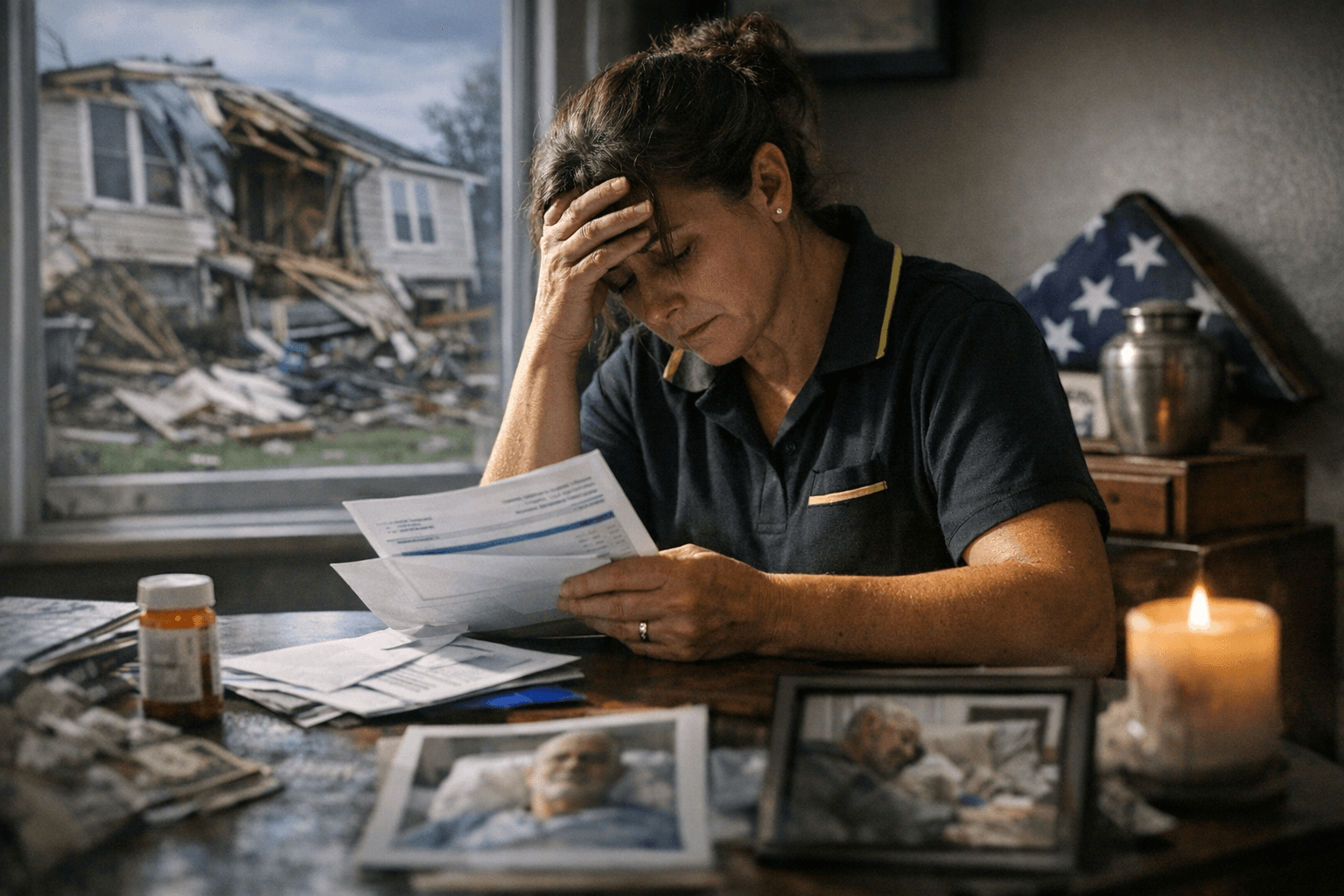
Dollar General’s Employee Assistance Foundation is not a general hardship fund. It is built for critical-need situations that can hit a worker without warning, the kind that can break a budget in a single day. The foundation says it can help with funeral expenses for an immediate family member, a home lost or damaged by a natural disaster or fire, extraordinary costs tied to a terminal or other life-threatening illness, and housing that has been condemned or made uninhabitable. It also covers temporary disaster displacement, which makes it especially relevant for workers in storm-prone areas.
That narrow focus matters. This is the kind of program that can help when normal savings, insurance, or family support are not enough, especially for associates working paycheck to paycheck. In Dollar General’s labor force, where many stores sit in rural and suburban communities, a family emergency can quickly become a housing emergency or a transportation emergency too.
Who can use it
The foundation is meant for regular full-time and part-time Dollar General employees, not outside applicants or casual requests for help. The company says assistance is limited to critical-need situations beyond the employee’s control, which is a reminder that the fund is designed for true emergencies, not routine bills or general financial stress.
There are also limits on timing and frequency. Employees must request assistance within 60 days of the loss, and no one can receive foundation aid more than twice in a 12-month period. The selection committee reviews requests on a blind basis and awards are based solely on need, which means the program is supposed to judge the hardship itself rather than job title, store type, or personal connections.
How to apply without getting stalled
The first rule is speed. If a fire, death, tornado, or serious diagnosis has already hit, the 60-day window is the clock that matters most. A worker who waits too long could lose access before the request is even reviewed, no matter how serious the emergency is.
The second rule is organization. While Dollar General does not spell out a long checklist in the public material, the practical path is straightforward: be ready to explain the event, the date it happened, and the expenses or losses tied to it. That usually means pulling together whatever records show the hardship, such as funeral costs, damage costs, housing problems, or medical-related expenses. The more clearly the request ties the expense to a qualifying crisis, the easier it is for the foundation to see that it falls within its guidelines.
If you are unsure whether your situation fits, the company gives two direct contact points. Workers can email DGEAF@dollargeneral.com or call (615) 855-5188 with eligibility questions and application help. For employees under stress, that kind of direct contact is the difference between a vague promise and an actual next step.
What the money comes from
Dollar General says the foundation is funded by employees, the company, and board members. The foundation’s FAQ goes further, saying donations also come from directors, vendors, and other interested persons. That matters because it shows the program is not only a corporate goodwill line item; it is also sustained by contributions from the broader DG orbit.
The scale is large enough to matter. Dollar General said in June 2024 that the foundation had awarded more than $18 million to more than 10,500 employees since its founding in 2005. By September 2024, the company said the total had climbed past $19 million over 19 years. Those numbers show a program that has moved far beyond symbolic help.
Why this stands out inside Dollar General
Dollar General has spent years presenting the foundation as part of its identity, and the numbers show steady growth. In August 2020, the company marked the foundation’s 15th anniversary with a $5 million donation and said the program had already given more than $10 million to more than 6,200 employees. By April 2022, the company said the total had risen to more than $13.9 million for more than 8,600 employees. Then the totals passed $18 million in 2024 and later moved beyond $19 million.
There is also a concrete real-world example. In 2024, Dollar General described how the foundation helped a private fleet driver named Zac in Pauls Valley, Oklahoma, after tornadoes damaged his home. That story tracks with the kind of crisis the foundation is built for: sudden, local, and expensive, with recovery costs that can hit while a worker is still trying to keep life moving.
For Dollar General employees, that is the part that cuts deepest. The company’s stores often operate with lean staffing, limited backup, and pressure that leaves little room for a personal crisis on top of a shift schedule. A foundation like this does not fix low wages or understaffing, but it can keep a family from tipping over when disaster lands at the wrong time.
How it fits with other DG aid
The Employee Assistance Foundation is not Dollar General’s only relief channel. The company also maintains the Turner Family Disaster Relief Fund, administered through the Community Foundation of Middle Tennessee, which provides one-time financial assistance to employees recovering from recent natural disasters. That fund is narrower than the Employee Assistance Foundation, which covers a broader set of hardships including death, illness, and condemned housing.
Taken together, the two programs show how Dollar General has built multiple layers of aid for employees in crisis. For a worker who has just lost a home, buried a close relative, or faced a life-threatening illness, the important point is simple: there is an internal emergency channel, and the window to use it is short.
This article was produced by Prism’s automated news system from verified source data, official records, and press releases, then run through automated quality and moderation checks before publishing. The system is built and supervised by the people who set the standards it runs under. Read our full AI policy.
Did this article answer your question?