Dollar General Leaders Highlight Supply Chain Gains at TPM26 Conference
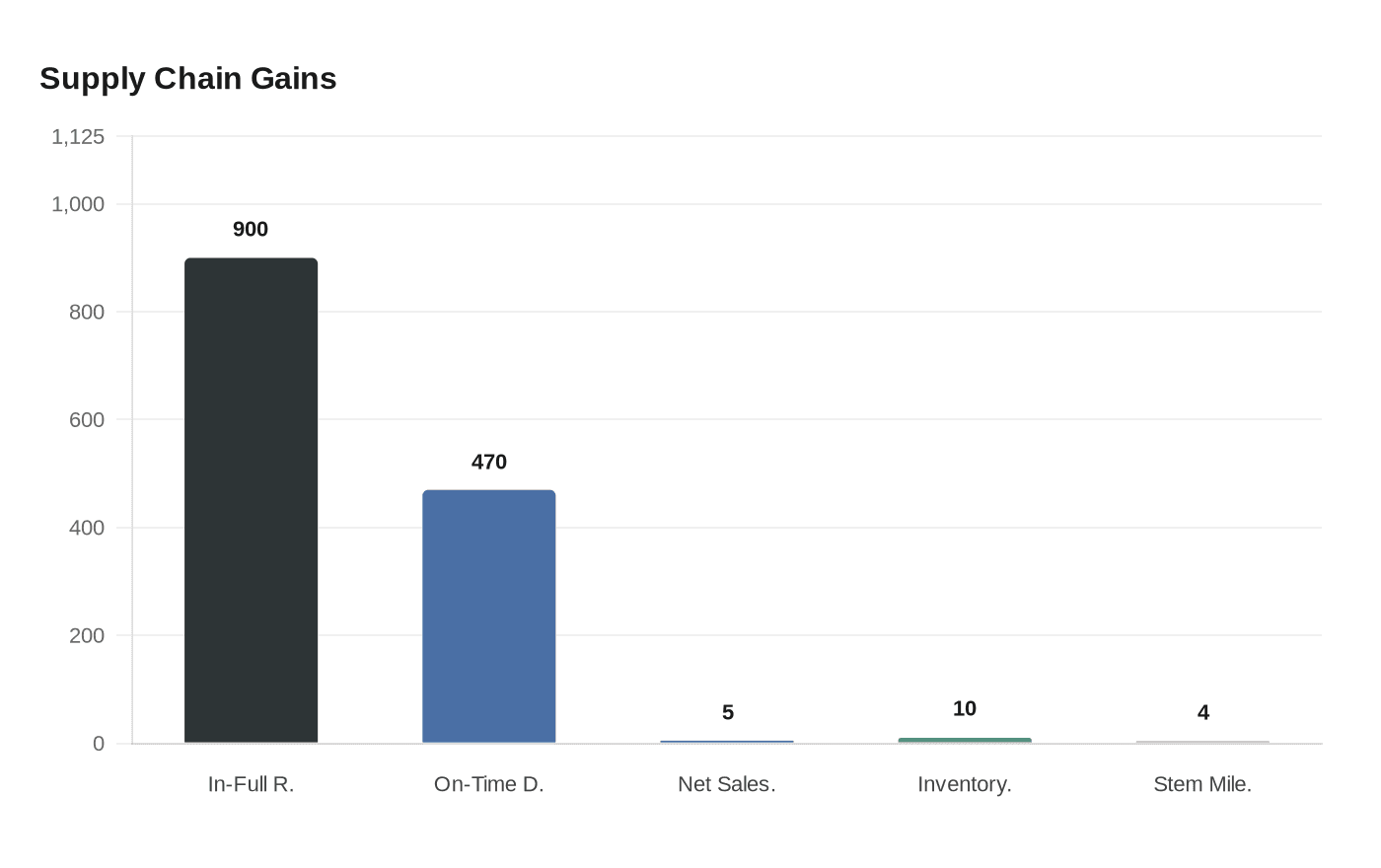
Dollar General improved its in-full rate by 900 basis points and cut inventory roughly 10% while growing net sales over 5% by 2025, leaders said at TPM26.

Dollar General's operations and logistics leaders arrived at TPM26 on Monday with a set of numbers that tell a straightforward story about what happens when a retailer stops patching its supply chain and starts rebuilding it.
The headline figures: a 900-basis-point improvement in in-full rate and a 470-basis-point improvement in on-time delivery, both year over year. By 2025, net sales grew more than 5% while inventory levels fell approximately 10%. That combination, selling more while stocking less, is the marker of a supply chain that has actually gotten more precise rather than just larger.
The physical infrastructure behind those numbers is concrete. Dollar General closed 15 temporary warehouses within a 12-month period, with plans to close the remaining three. In their place, the company opened a 1-million-square-foot dual-use facility in Blair, Nebraska, built to handle both traditional dry goods and the DG Fresh frozen and fresh categories. Automation technology was deployed at distribution centers in South Carolina and Arkansas, targeting storage optimization and order accuracy. The company also expanded its private trucking fleet, opened regional hubs, and reduced stem miles, the distance between a distribution center and a store, by approximately 4%.
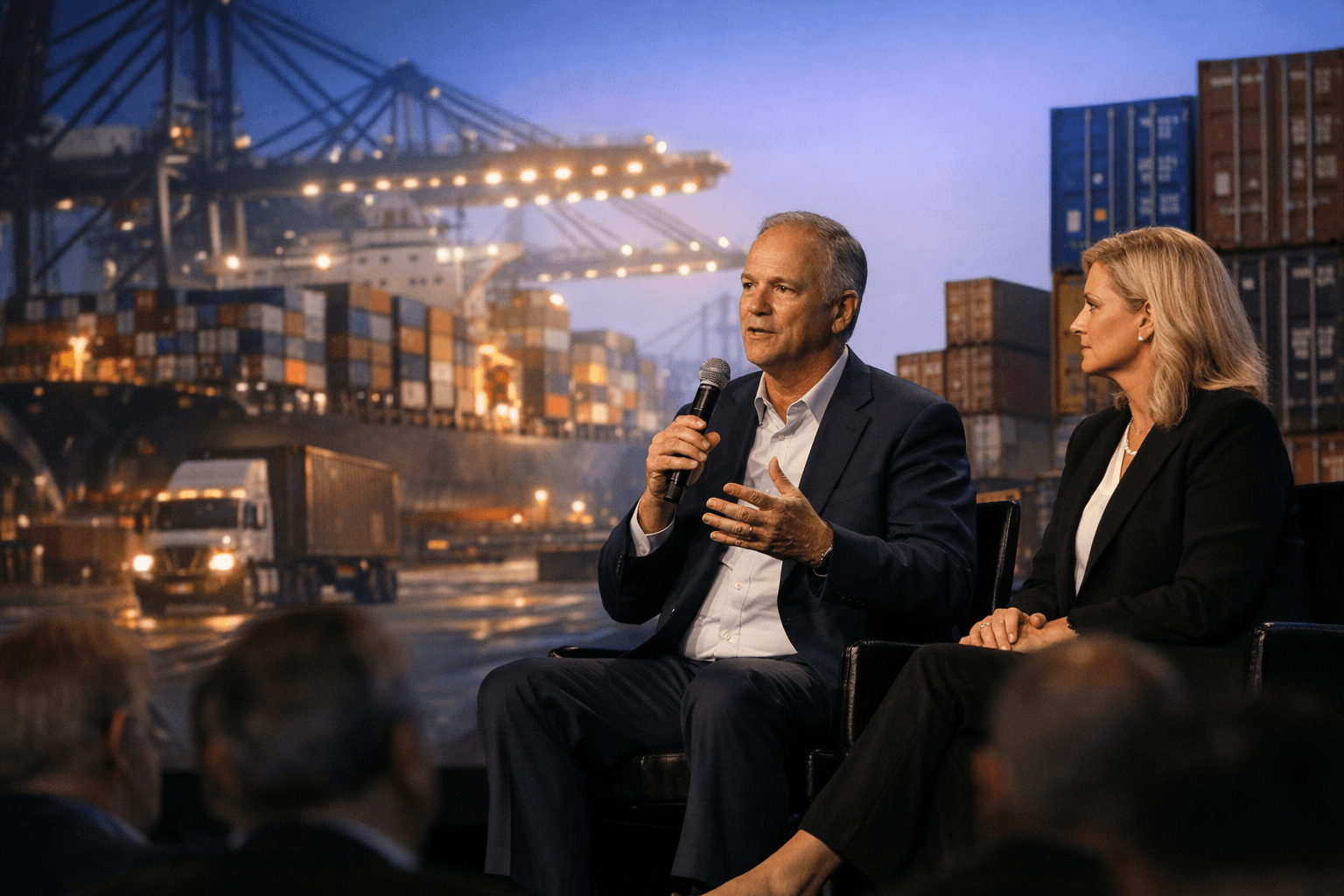
That last number matters more than it sounds. Shaving 4% off DC-to-store distances, across a network serving thousands of stores, compounds into meaningful freight cost reduction and faster replenishment cycles.
CEO Todd Vasos pushed another significant operational shift: moving from annual inventory checks to real-time monitoring to address out-of-stocks and shrink as they occur rather than discovering them a year later. The practical effect flows through to store shelves. By streamlining how distribution centers sort orders, high-priority items reach stores faster, which directly improves on-shelf availability for key SKUs. For Dollar General store employees, that means fewer customer conversations about empty shelves and less time spent managing inventory discrepancies that built up over months undetected.
The broader picture at TPM26 was of a retailer that spent several years making expensive, permanent commitments to its supply chain rather than renting temporary capacity when demand spiked. The Blair, Nebraska facility represents that bet made physical: a million square feet purpose-built to support both the legacy Dollar General assortment and the newer DG Fresh perishables expansion under one roof, in a single automated environment.
The metrics presented at TPM26 suggest that investment is paying off in the direction companies typically want: higher service levels, lower inventory carrying costs, and sales growth moving in the same direction simultaneously.
This article was produced by Prism’s automated news system from verified source data, official records, and press releases, then run through automated quality and moderation checks before publishing. The system is built and supervised by the people who set the standards it runs under. Read our full AI policy.
Did this article answer your question?